
By season · Season
Shoulder Season
March to April and September to November sit either side of the winter peak. Thirteen private trips run well in those months: quieter sites and workable weather, against spring heat in Rajasthan and the tail of the monsoon in Nepal and Sri Lanka.
About this collection
March-April and September-November: quieter sites, real trade-offs
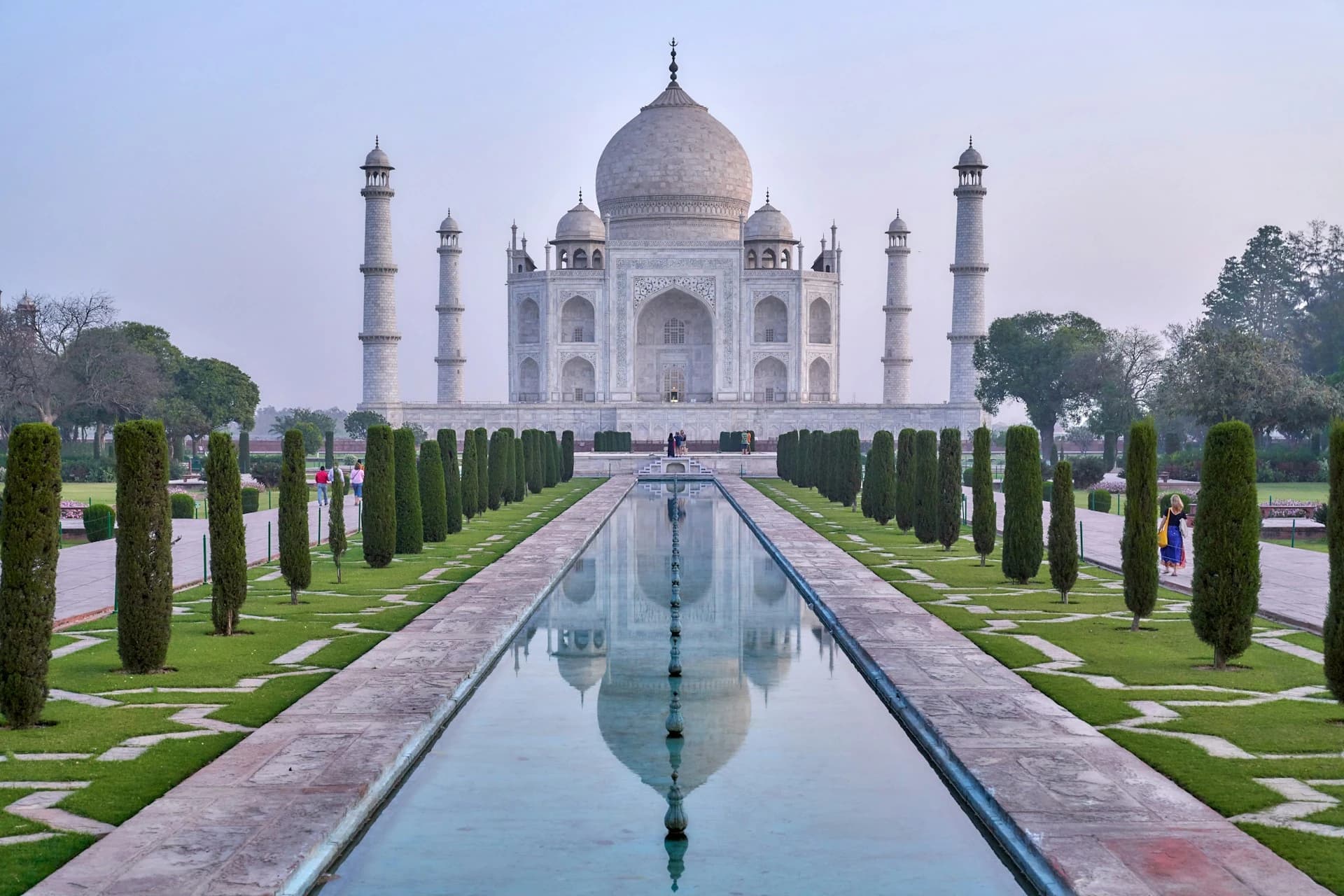
Shoulder season here means March to April and September to November — the weeks either side of the December-to-February peak. Thirteen of our trips run well in those months. What you give up is certainty: spring heat building in Rajasthan, the monsoon still draining out of Nepal and Sri Lanka. What you get back is room to stand in the Taj Mahal courtyard at sunrise, and hotel rates that are not New Year rates.
What "quieter" actually means on a private trip
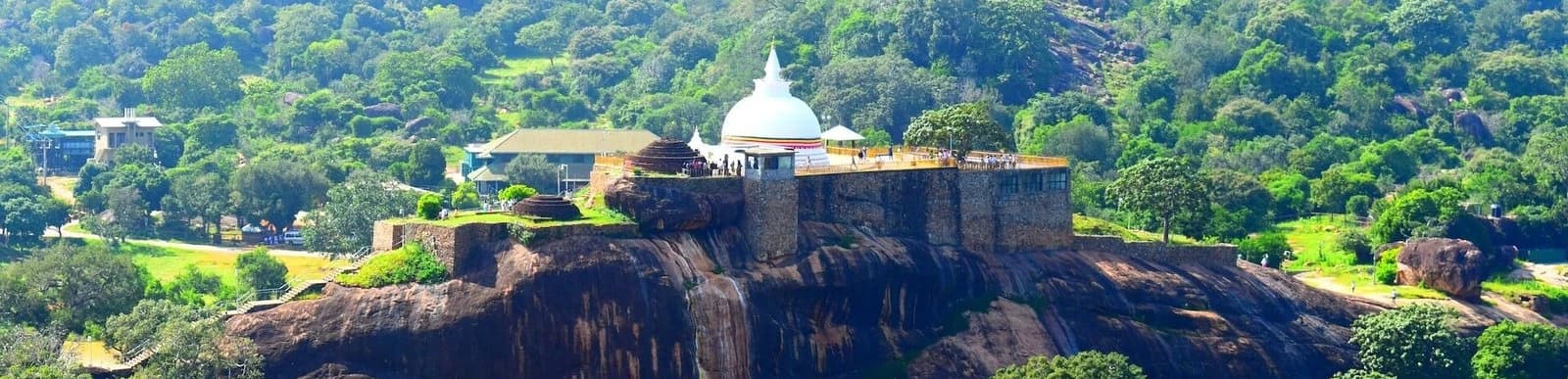
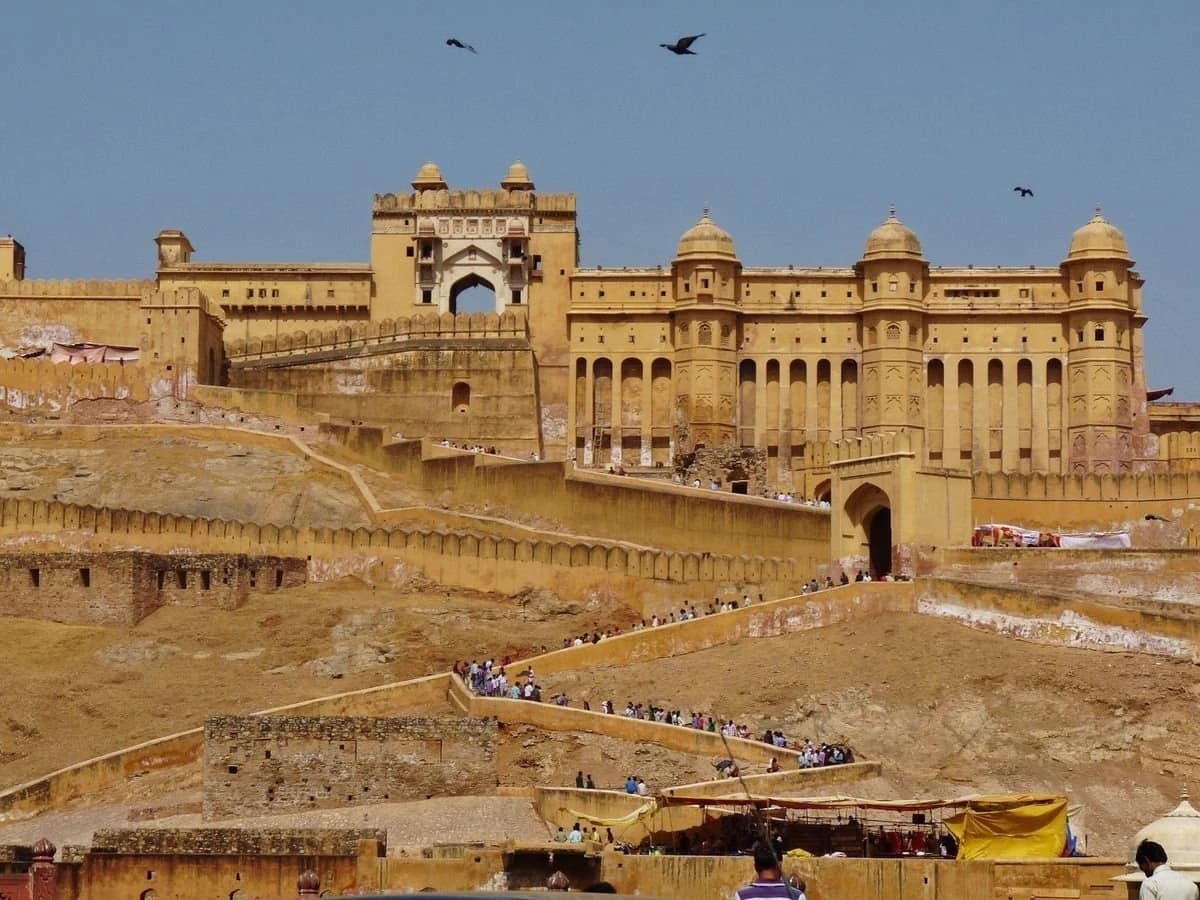
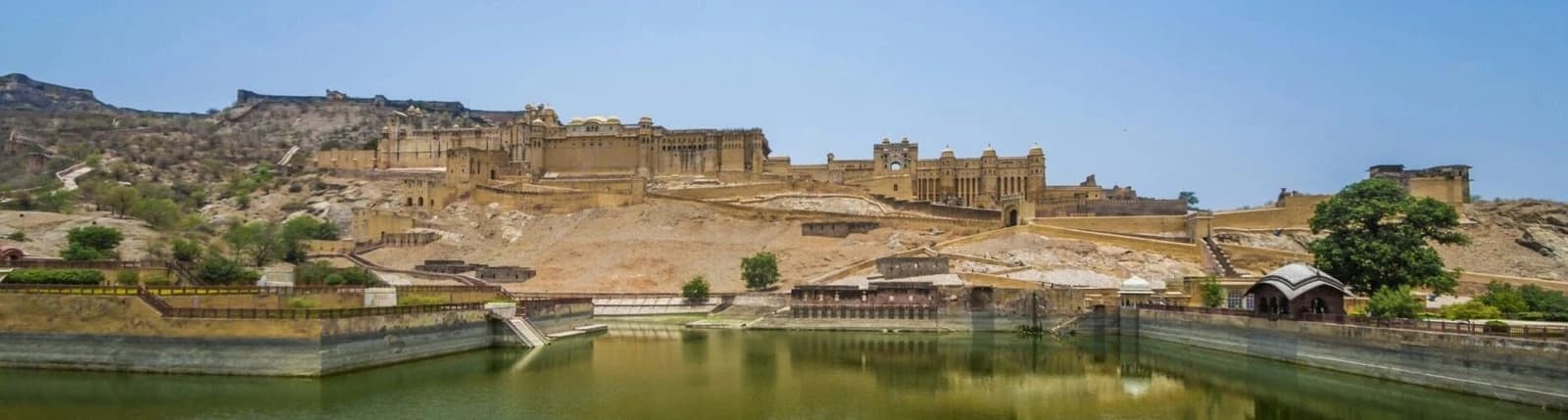
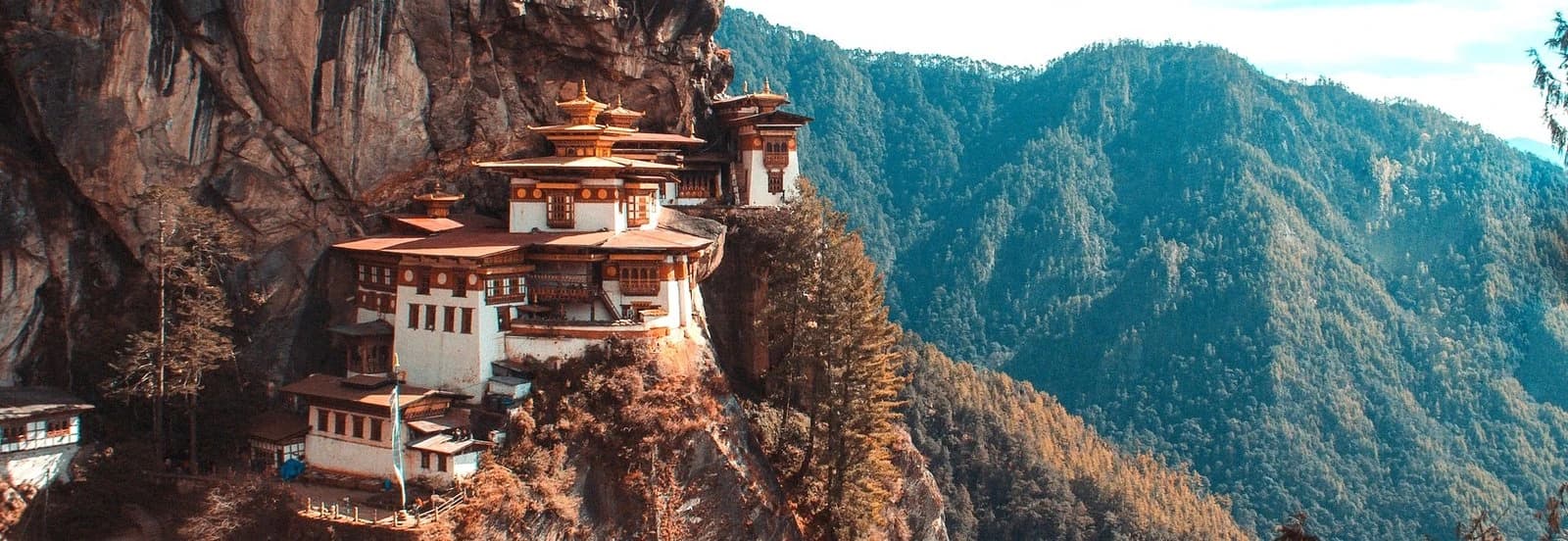
Every trip here is private and guided, with no set departure dates. So fewer people never means a smaller group — your group is already just you and whoever you bring. It means fewer people in front of you: fewer coaches at the Amber Fort gate, a shorter queue on the stairs to the Tiger's Nest, a Poon Hill ridge at five in the morning that is not three deep.
It also means we can move things. Because the dates are yours, your guide can pull the Sigiriya climb an hour earlier or swap a drive day when a front comes through. That matters more in the shoulder months than in midwinter, because these are the months when the weather asks questions.
March and April: spring in the mountains, heat building in India
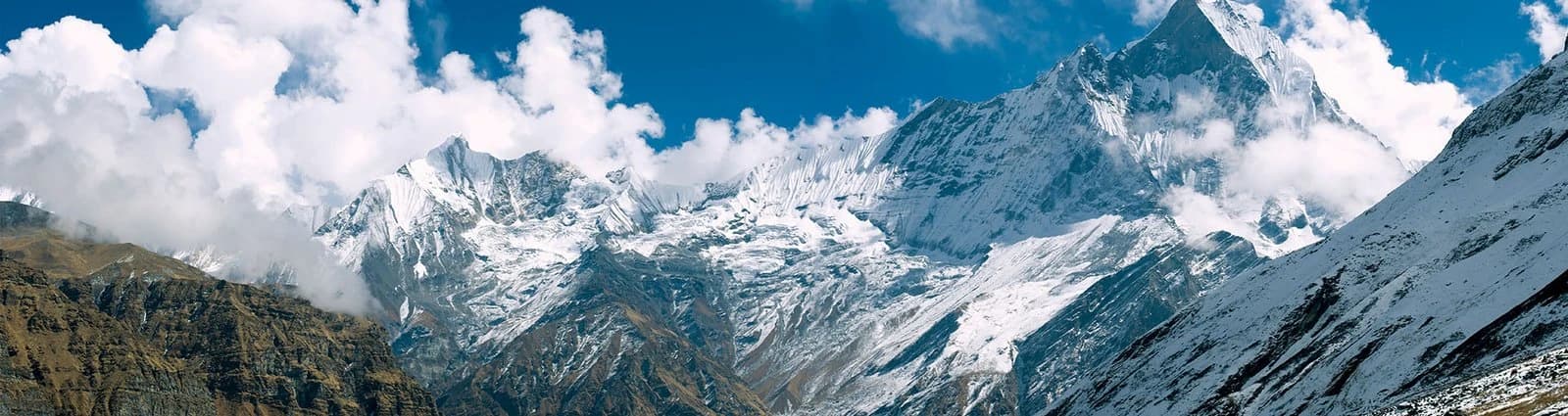
This is the better half of the shoulder for the Himalaya. In Nepal the middle hills come into rhododendron flower, and the Ghorepani and Poon Hill stages of Trekking tour through Nepal (11 days, from EUR 1,575) and Culture and Himalayan hiking (14 days, from EUR 1,760) run straight through those forests. The catch is haze: spring air is soft, so the peaks are there but the hard-edged views in the photographs are an autumn thing.
In India the direction of travel is heat. March in Rajasthan is comfortable. By mid-April, Jaipur and Agra are in the high thirties and climbing, and sightseeing has to start at dawn and finish by lunch. Colourful Rajasthan & Himalayas (12 days, from EUR 1,910) handles that well, because it does not stay in the plains: after the Shekhawati havelis, Jaipur and Agra it flies you to Bagdogra and up to Kalimpong and Darjeeling, so the last third sits at altitude, watching Kangchenjunga come up over Tiger Hill.
Sri Lanka is at its most straightforward now. One monsoon has gone and the next has not started, so both coasts and the hill country work at the same time — the only stretch of the year when that is reliably true. Sri Lanka weather month by month has the detail.
September to November: the clearest air of the year, and one thing to watch
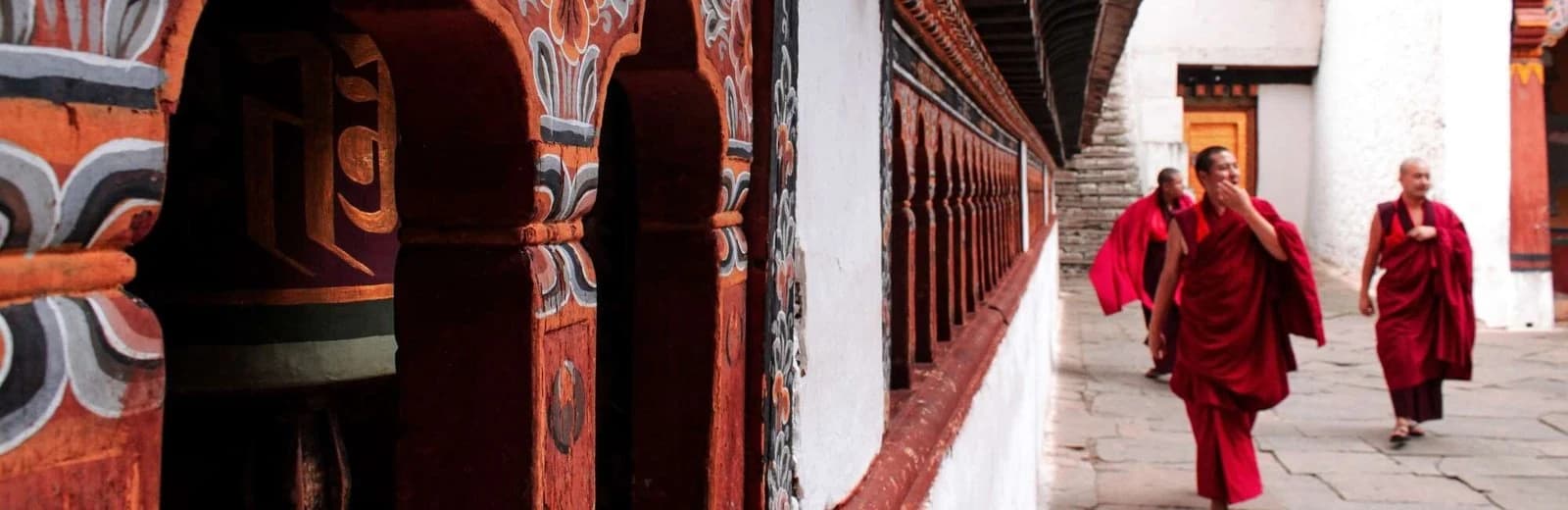
October and November are Nepal's best weeks: the monsoon has washed the sky and the horizons are sharp. The world of Nepal (9 days, from EUR 930) is the shortest way to see it — the Kathmandu Valley, jungle activities in Chitwan, then sunrise on Dhaulagiri and Annapurna from Sarangkot above Pokhara. Temples, shrines & Himalayas (14 days, from EUR 1,350) adds monastery days in Pharping, where you can sit in on the five o'clock puja. For a proper trek, Impressions of Nepal (from EUR 1,640) links the culture to the Australian Camp and Ghorepani stages, and Majestic Himalayas (from EUR 1,640) walks all the way to Annapurna Base Camp by way of Machapuchare.
Be careful with September. The monsoon withdraws over Nepal through the second half of the month, not on a fixed date, so an early-September trek can mean cloud, leeches and wet stone. October is dependable and busy. November is clear and cold at altitude. Best time to visit Nepal sets out the weeks.
Sri Lanka in autumn needs routing, not avoidance. Sri Lanka's glory (14 days, from EUR 1,050) puts three beach days on the east coast at Nilaveli, and Breathtaking nature & culture (from EUR 1,220) does the same at Pasikuda before finishing in the Maldives. The east coast is dry from roughly May to September and turns once the northeast monsoon arrives, usually in November. September works. For late October and November we would rather move the beach half of the trip to the southwest, or move you to spring, than sell you a week of grey sea.
Bhutan, where the shoulder is the season
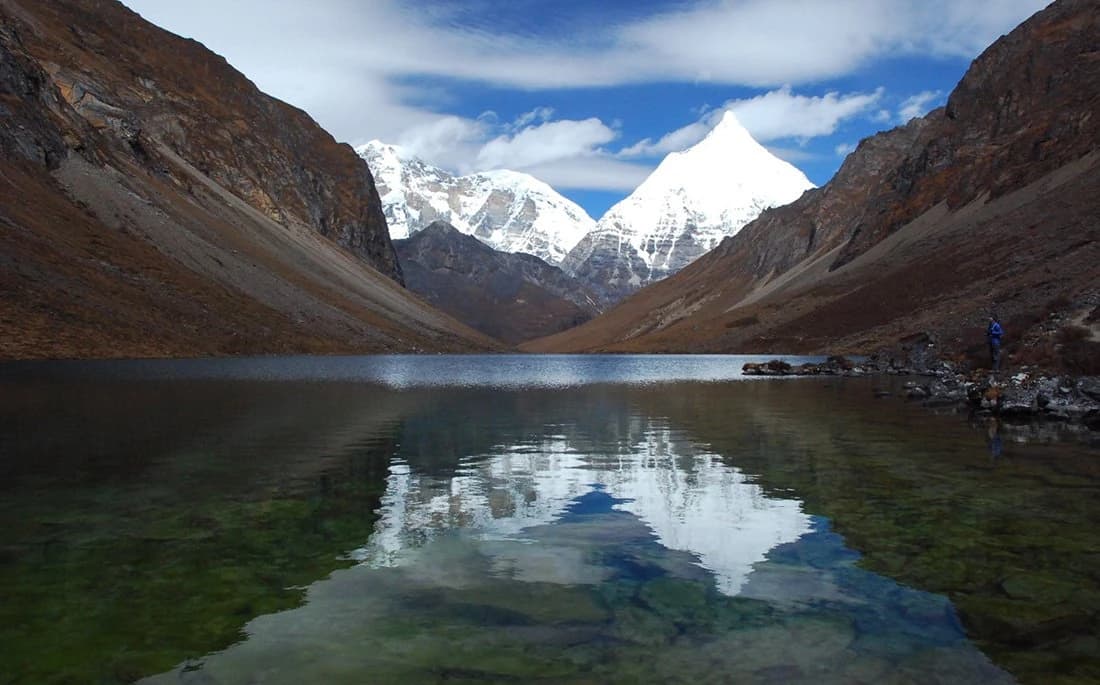
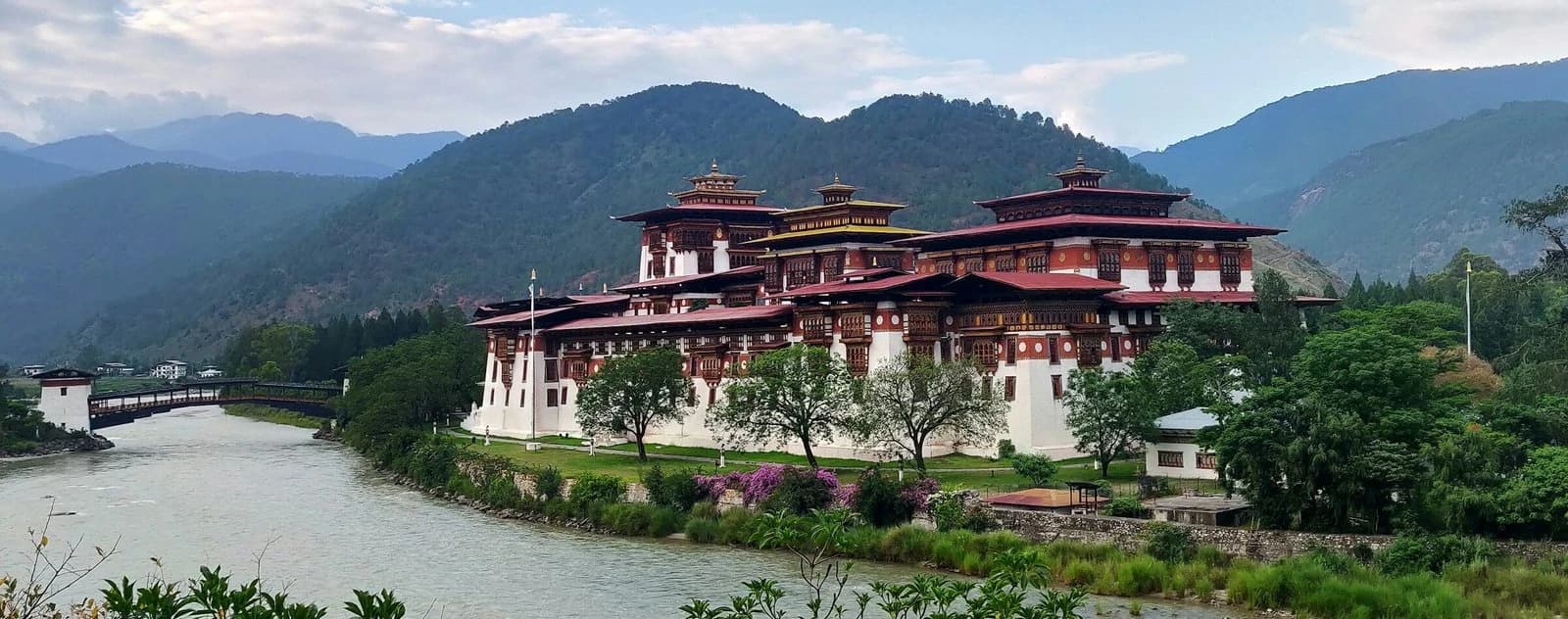
Bhutan inverts the logic here. Spring and autumn are its two good windows, not its compromise ones: the passes are open and the Dochula viewpoint is worth stopping at. The land of happiness (6 days, from EUR 2,160) covers Thimphu, the Dochula Pass and the Tiger's Nest above Paro. The magic of the gigantic Himalayas (8 days, from EUR 2,010) adds Punakha, the Ha Valley and the Chelela Pass at 3,988 metres. The Kingdom of the Thunder Dragon (8 days, from EUR 2,500) walks in to Bumdra and reaches the Tiger's Nest on foot from above. Read the prices carefully: Bhutan costs more per day than India or Nepal, and no season changes that. Best time to visit Bhutan covers the two windows.
The one trip with a fixed date
Golden Triangle & Colors of India (7 days, from EUR 1,515) is the exception to everything above. It is built around Holi, so the festival sets the date, not you. Delhi, sunrise at the Taj Mahal, hand-block printing and a cooking class in a private home in Jaipur, Holi in a royal garden, then Udaipur and a boat on Lake Pichola. If you want Holi, this is the one trip here you cannot move.
What the prices mean
The trips here start at EUR 930 and run to EUR 2,500 per person, and those are starting points, not quotes. What you pay moves with the room tier — Standard, Deluxe, Superior or Executive; we do not sell a five-star tier — with party size, and with the dates. International flights are not included; domestic flights written into an itinerary, like the Delhi to Bagdogra leg, are. See also Best time to visit India.
Good to know
Practical info for shoulder season
What does a shoulder-season trip cost?
The trips on this page run from EUR 930 for The world of Nepal (9 days) to EUR 2,500 for The Kingdom of the Thunder Dragon (8 days in Bhutan). Most of the India, Nepal and Sri Lanka routes sit between EUR 930 and EUR 1,910. These are per-person starting prices. What you actually pay moves with the room tier you choose - Standard, Deluxe, Superior or Executive; there is no five-star tier - and with how many of you travel. Bhutan is the outlier: it costs more per day than anywhere else we sell, in every season.
How long are these trips, and can I make one shorter?
Six days at the short end (The land of happiness in Bhutan) up to the full Annapurna Base Camp walk on Majestic Himalayas. Nine to fourteen days covers most of them. Because every trip is private, days can be added or dropped: a shorter Nepal loop, two extra nights in Pokhara, the Sri Lanka beach section trimmed. Tell us how many days you have and we build the route to fit.
What is included, and what is not?
Included on every trip: hotel accommodation, breakfast, a German-speaking guide, and someone reachable 24 hours a day for the whole trip. The only thing listed as not included is international flights. Domestic flights that are part of the route are in the price - the Delhi to Bagdogra hop on Colourful Rajasthan & Himalayas, for example. Each tour page lists its own hotels and room tiers.
Is September too early, or November too late?
It depends which country. Nepal: September is a gamble because the monsoon withdraws on no fixed date, October is reliable and busy, November is clear and cold high up. Sri Lanka's east coast: September is fine, by November the northeast monsoon has arrived and we would reroute you. North India: September is still humid, November is one of the best months of the year. Bhutan: October and November are among its clearest weeks. See Best time to visit Nepal and Best time to visit Sri Lanka.
Can we travel on our own dates?
Yes, on twelve of the thirteen. Every trip is private and guided with no scheduled departures, so you pick the start date and the pace. The one exception is Golden Triangle & Colors of India, which is built around Holi in March - the festival fixes the date.
Who do these months suit?
People who can travel outside the school holidays, want the big sites with fewer people on them, and will accept some weather risk in return. They suit walkers especially: the Nepal treks and the Bhutan hikes are at their best in exactly these windows. If you have one fixed fortnight and need it dry, book December to February instead and accept the crowds and the peak rates.
Our journeys
Shoulder Season journeys
13 journeys that match — built and led by our local guides.
Build your own trip →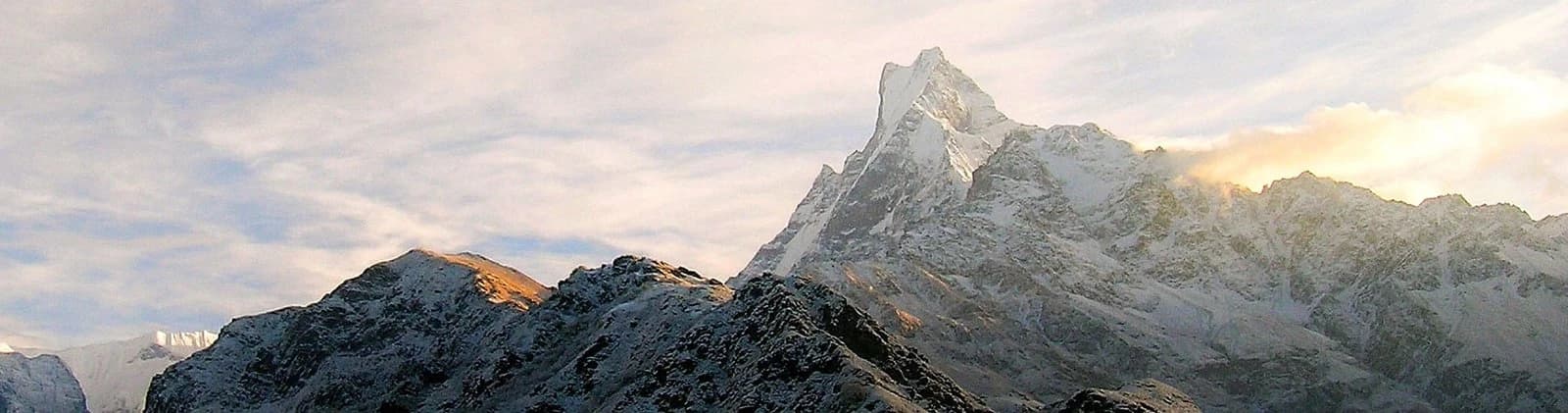
Ready to plan your trip?
Tell us roughly when, who's travelling and what kind of pace you like. We'll send back a draft itinerary within 1–2 days.
Plan your trip