
By season · Season
October–March
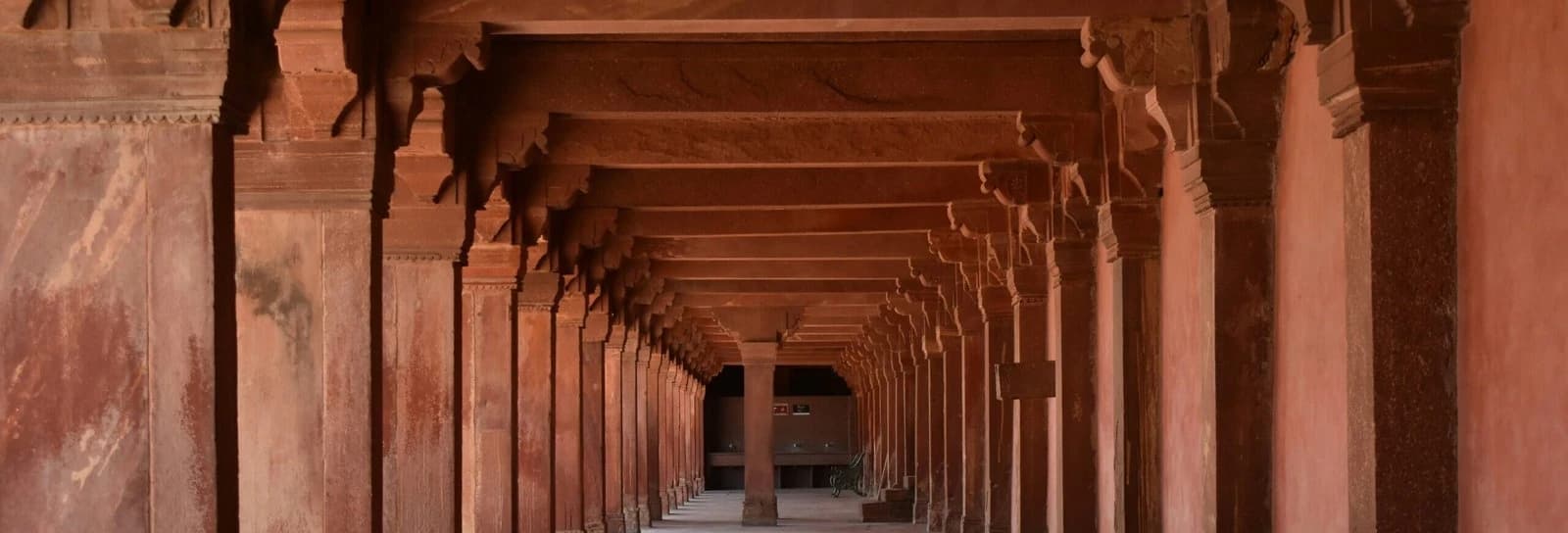
October to March is the dry season across most of South Asia, and it is when 21 of these trips run best. Cool mornings and clear afternoons in North India, dry hill country in Sri Lanka, Chitwan's jeeps back on the tracks, and the beaches at their calmest.
About this collection
The dry season across India, Sri Lanka, Nepal and the islands
Why October to March is the main season
Almost everything on this page is a land trip — forts, temples, jungle tracks, tea hills, a boat, sometimes a beach at the end. All of it depends on dry days. Between October and March, North India, the Rajasthan desert, the Kerala coast, Sri Lanka's south and hill country, the Nepali lowlands and both island groups are dry at roughly the same time. That overlap is why 21 of our trips sit here.
Two concrete effects. Chitwan's jeep safaris do not run in July, August or September, so winter is when The world of Nepal actually delivers the jungle days its itinerary promises. And in Sri Lanka the dry window for the west, the south and the hills runs roughly December to March — precisely where all four Sri Lanka trips on this page go. The month-by-month breakdown has the detail.
What these trips cost
From EUR 350 to EUR 3,140 per person. Every trip is private and guided, a German-speaking guide is included, and there are no fixed departures — you pick the dates and we build around them. International flights are not included; domestic flights written into an itinerary are.
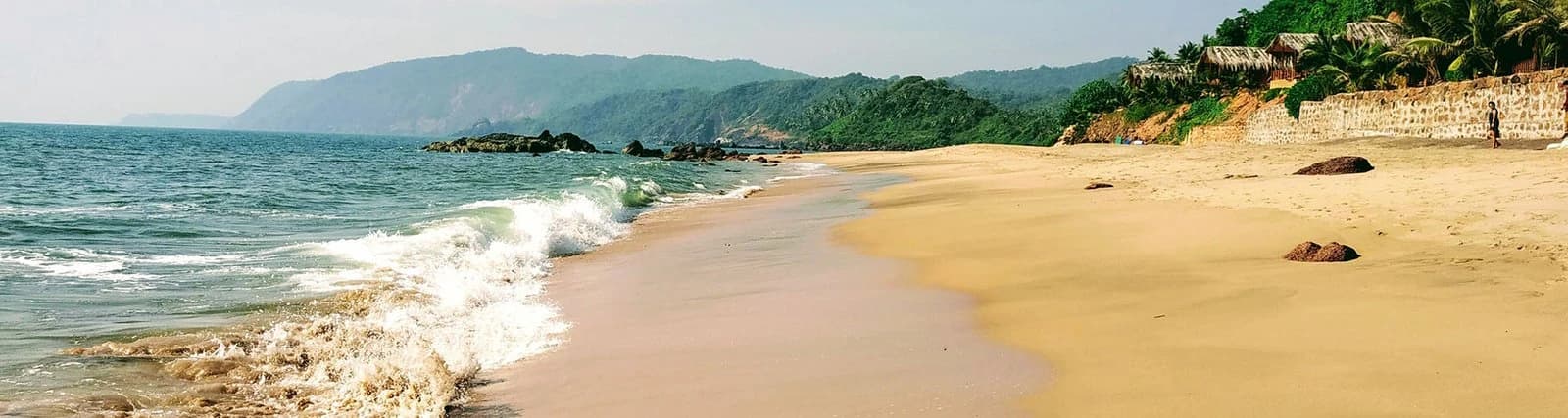
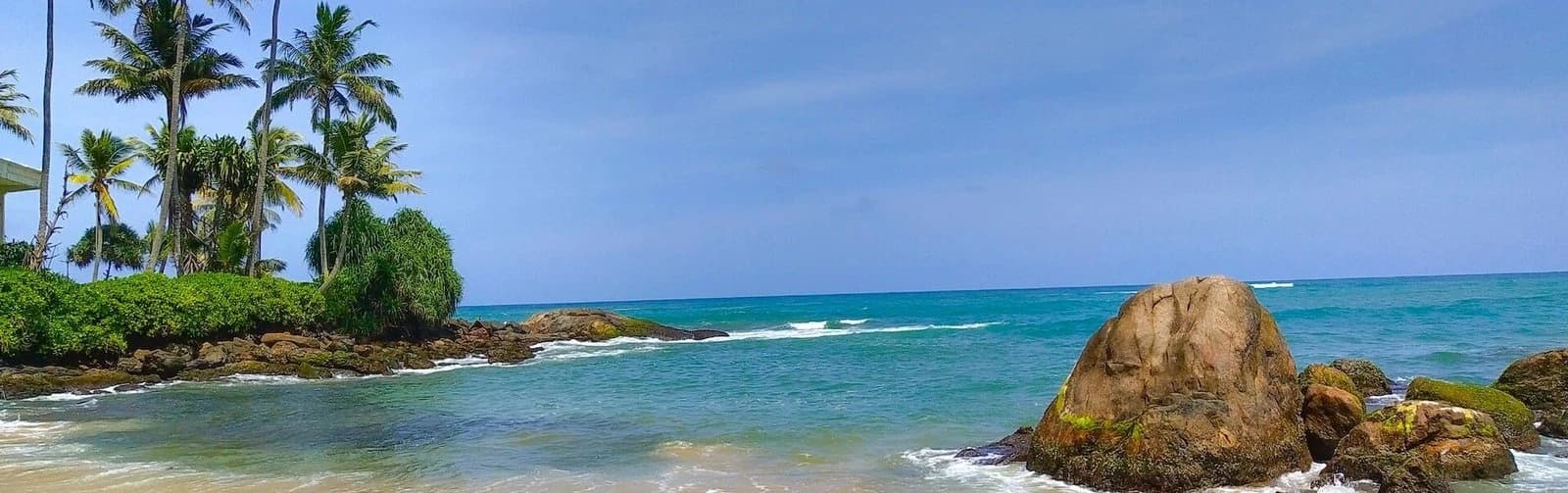
The cheap end is the beach add-ons, all five days: Goa from EUR 350, Marari in Kerala from EUR 400, Havelock in the Andamans from EUR 410, a Maldives island from EUR 700. They exist to be added to a longer trip. Days two to four have no vehicle and no guide — you sit still, which is the point.
North India: forts, tigers, cold mornings
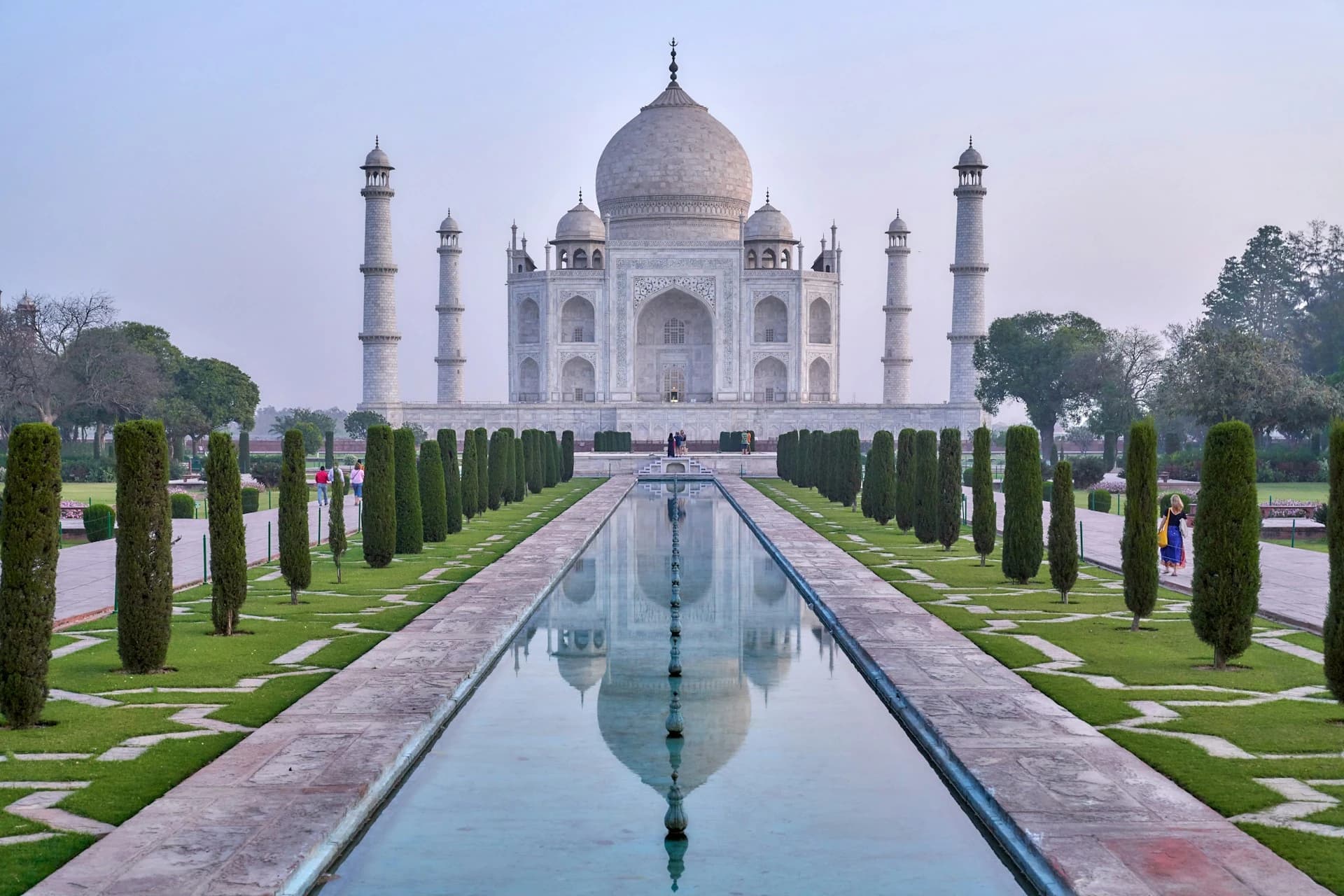
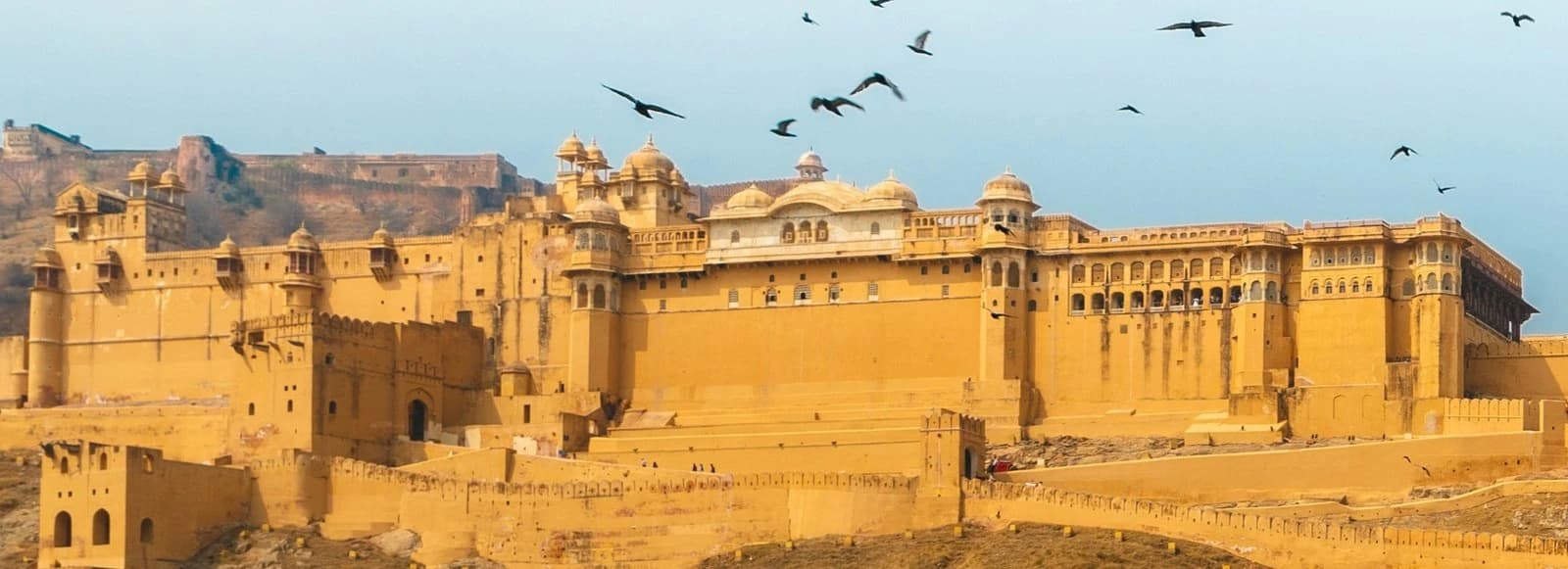
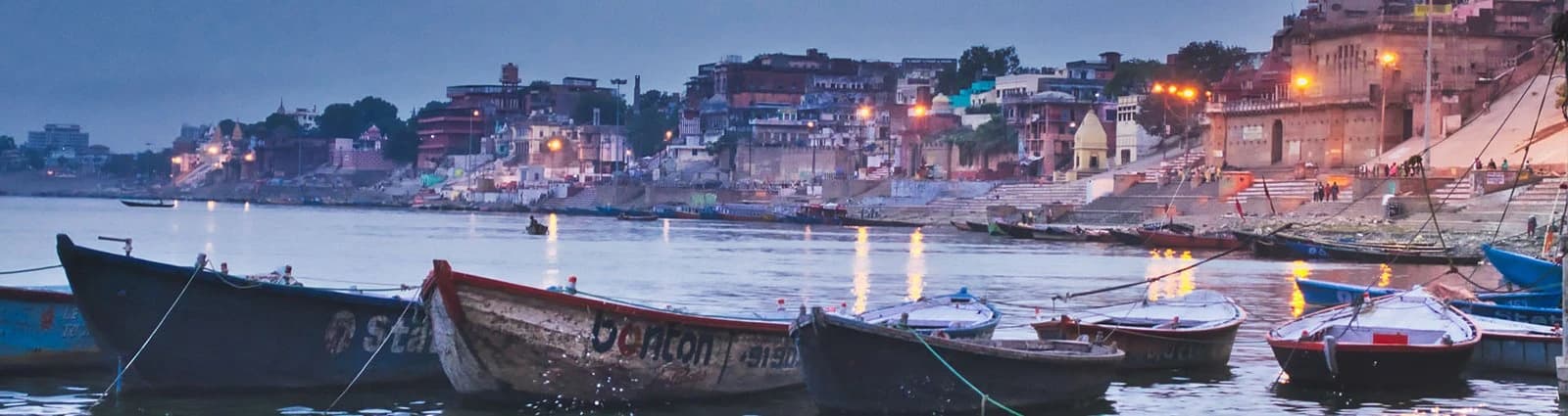
Golden Triangle & Spirituality is 8 days from EUR 1,175 — Delhi, Jaipur, the Taj at Agra (closed Fridays), then Varanasi and a dawn boat along the ghats. The magic of Rajasthan is 10 days from EUR 1,000 and adds two parks, Sariska and Ranthambhore, on shared jeep safaris. Winter suits both: the parks are open and the vegetation is low.
Longer options. Royal Rajasthan & Varanasi, 14 days from EUR 1,520, works the Shekhawati haveli towns and the Keoladeo bird sanctuary at Bharatpur, which is at its best when the migratory birds are in. Rajasthan – The Land of Kings is 14 days from EUR 1,800 with a sunrise Taj and two Ranthambore safaris. On the trails of the Maharajas, 15 days from EUR 1,840, pushes west to Bundi, Udaipur, the desert at Manvar and Jodhpur. North India – landscapes and culture is the long one — 21 days from EUR 2,300, Ahmedabad to Jaisalmer to Rishikesh, with two rail journeys built in.
Two trips use the season differently. Colourful Rajasthan & Himalayas (12 days, from EUR 1,910) flies Delhi to Bagdogra for Kalimpong, Darjeeling and a sunrise at Tiger Hill, where seeing Kangchenjunga depends entirely on clear winter air. India's facets & Maldives is the highest price here — EUR 3,140 for 15 days of Rajasthan and Mumbai, finished on a Maldives island.
South India, Sri Lanka and the water
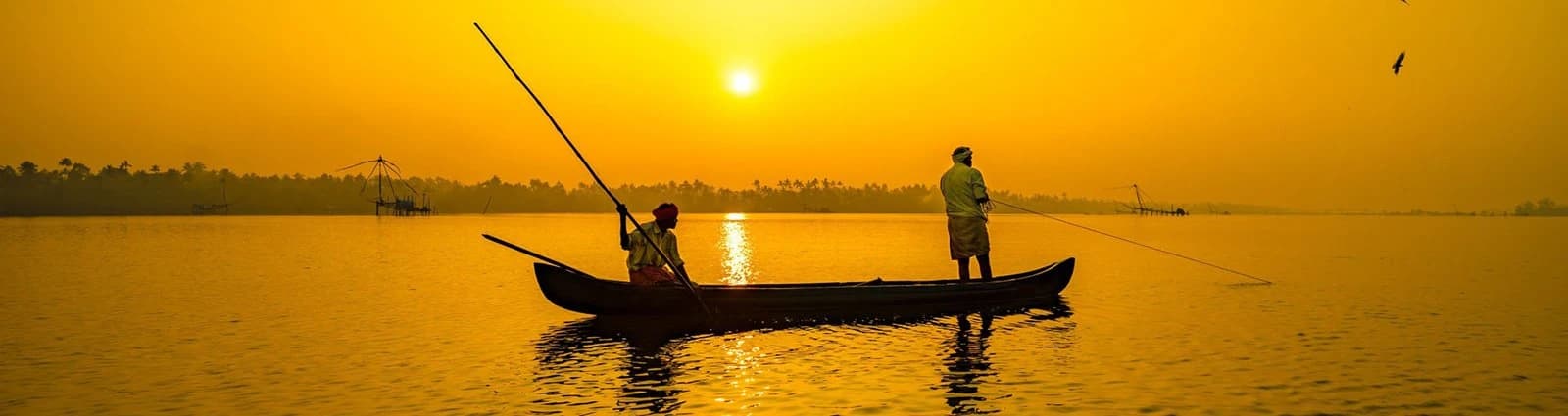
South India is warmer and drier than the north in these months. South India – Exotic World is 11 days from EUR 1,570: Chennai, the Chola temples, Madurai, Periyar and a night on a Kerala houseboat. The diversity of South India stretches that to 25 days from EUR 2,860, adding the Nilgiri mountain railway to Ooty, Mysore, Hampi and beach days in Goa. India – from North to South, 14 days from EUR 1,840, joins both halves with an internal flight from Jaipur to Kochi.
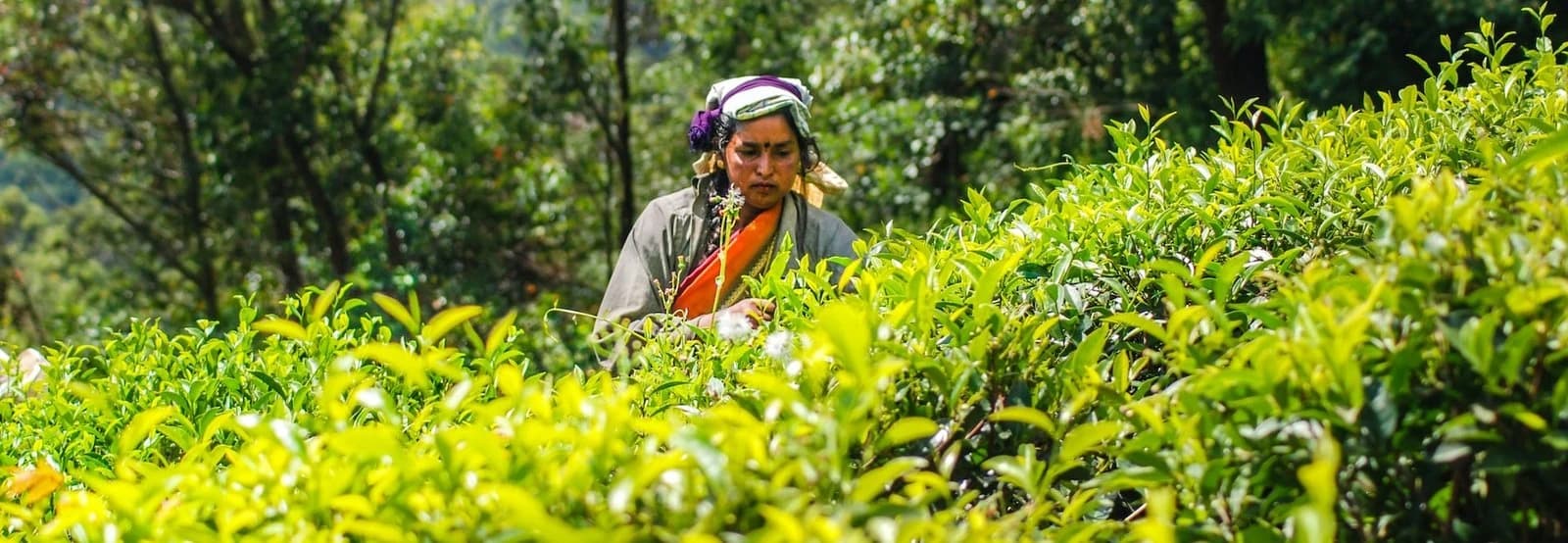
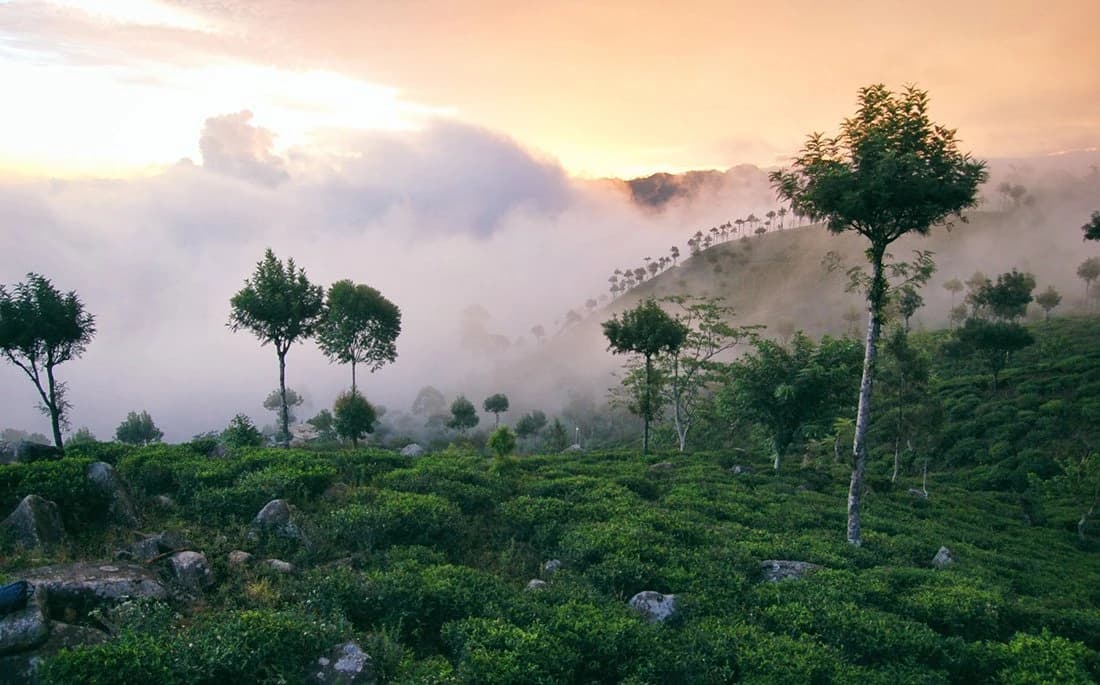
In Sri Lanka, The wonderful world of Sri Lanka is the cheapest long trip we run — 13 days from EUR 750, Galle and Unawatuna, then Ella, Lipton's Seat and Horton Plains. Forests, tea plantations & culture (14 days, EUR 1,140) and Culture & nature (14 days, EUR 1,120) both work the hill country; the second climbs Adam's Peak before dawn, and the pilgrimage season on that mountain runs December to May, so it only exists on a winter trip. Between culture and jungle (14 days, EUR 1,380) stays lower: Dambulla, Polonnaruwa, Sigiriya and a hike in the Knuckles.
Nepal here means valley and jungle, not high passes
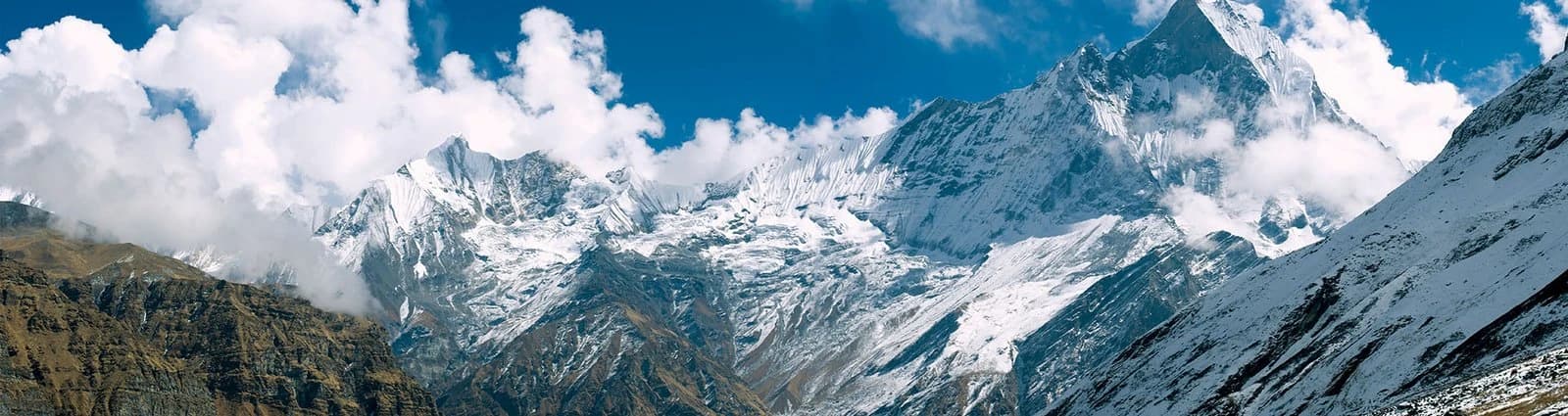
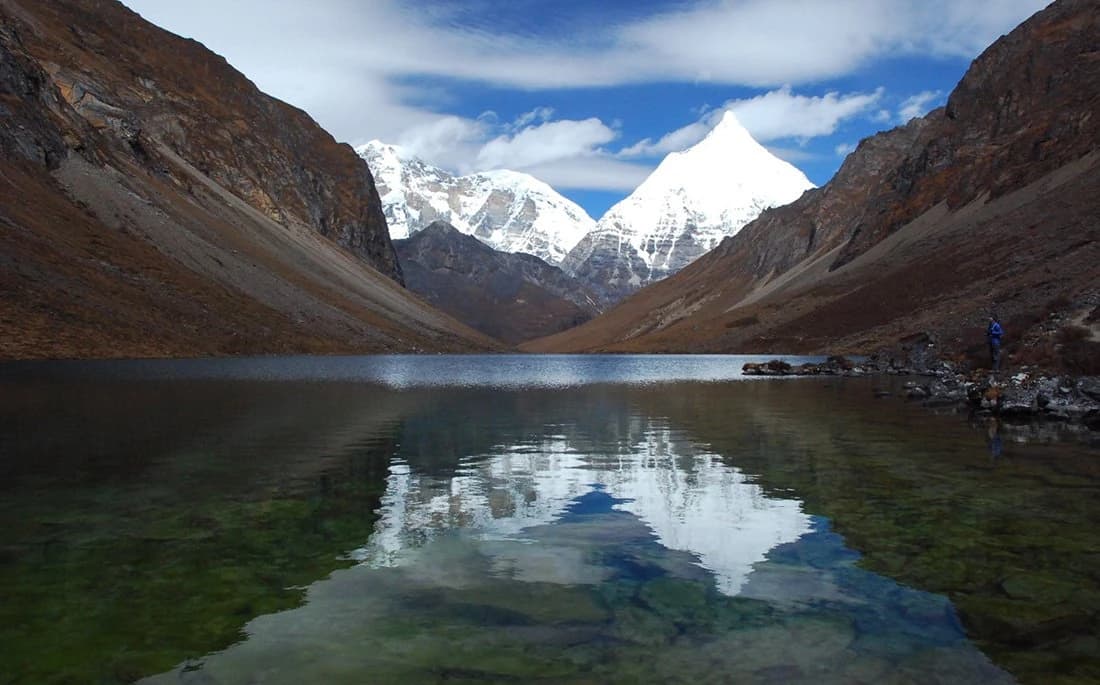
Both Nepal trips on this page are culture and wildlife, not trekking. The world of Nepal is 9 days from EUR 930 — the Kathmandu Valley, Chitwan and Pokhara, with a 5am start at Sarangkot for Annapurna and Dhaulagiri. Temples, shrines & Himalayas is 14 days from EUR 1,350, adding Boudhanath, Bhaktapur, the monastery at Pharping and Bandipur. October and November give the clearest mountain views; January is colder and quieter. For the high trekking routes or Bhutan, look at March to May instead — see best time to visit Nepal and Bhutan.
What winter gets wrong
Cold mornings. December and January in Delhi and Rajasthan can drop close to freezing overnight, and several of these itineraries start before dawn. Bring a fleece; heating in North Indian hotels is inconsistent.
Fog. Late December and January bring dense morning fog to the northern plains. It delays domestic flights and trains, and five of the trips above use one or the other. Leave a spare day at the end if you can.
Company. This is the window everyone else picked too. Agra and Jaipur are busy, and Christmas and New Year are the peak of it.
When to book
For December or January, enquire by August or September. For February or March, October is comfortable. Because every trip is private there is no departure date to miss — the hotels are the constraint, and a late enquiry usually means a substitute hotel rather than a no. Also worth reading: best time to visit India, month by month.
Good to know
Practical info for october–march
What does a winter trip actually cost?
The trips on this page run from EUR 350 to EUR 3,140 per person. The low end is the five-day beach add-ons — Goa at EUR 350, Marari EUR 400, Havelock EUR 410, the Maldives EUR 700 — which are designed to be bolted onto a longer journey rather than sold alone. Full itineraries start at EUR 1,000 for 10 days in Rajasthan and EUR 750 for 13 days in Sri Lanka. The mid-range, where most people land, is a 14-day trip between EUR 1,120 and EUR 1,840. These are from-prices; the final quote moves with your room tier and how many of you are travelling.
How long do I need?
Eight days is the shortest sensible trip: Golden Triangle & Spirituality covers Delhi, Jaipur, Agra and Varanasi in that time and no less. Thirteen to fifteen days is where most of this page sits and where a country stops feeling rushed — Sri Lanka's hill country, a Rajasthan loop with two tiger parks, or North to South India with the Jaipur–Kochi flight. Above that you are into the deep itineraries: 21 days across North India, 25 days through South India. If you only have a week, add a beach component to a short cultural trip rather than compressing a long one.
What's included, and what isn't?
Hotel accommodation, breakfast, a German-speaking guide, a bottle of water on arrival, and someone reachable 24 hours a day for the whole trip. Domestic flights that appear in the itinerary — Delhi to Bagdogra, Jaipur to Kochi, Jodhpur or Varanasi back to Delhi — are part of the trip. International flights to and from South Asia are not included; you book those yourself, which usually works out cheaper and gives you control over the routing. On the five-day beach add-ons, days two to four have no vehicle and no guide: you are at the hotel with nothing scheduled.
What are the hotels like?
Four room tiers: Standard, Deluxe, Superior and Executive. There is no five-star or luxury tier — if you want a palace hotel with a spa and a butler, we are not the right operator. What you get is solid, well-located, properly run hotels: The Suryaa in Delhi, Trident Jaipur and Trident Agra on the Golden Triangle route, for example, all in Deluxe rooms. In winter the good hotels in Agra, Jaipur and the Sri Lankan hill country fill early, so a late booking usually means a substitution at the same standard rather than a refusal.
How far ahead should I book?
For a December or January trip, get in touch by August or September. For February or March, October is comfortable. Because every trip here is private and dateless there is no group departure to miss — nothing sells out in that sense. The pressure comes from hotels: October to March is the window every operator in the market is booking into, and Christmas and New Year are the tightest fortnight of the year. Enquiring early costs you nothing and protects the hotel list in the itinerary.
Is December and January too cold in the north?
Not for the sightseeing, but plan for it. Nights and early mornings in Delhi and Rajasthan can approach freezing, hotel heating is unreliable, and several days on these itineraries begin before dawn — the sunrise Taj, the 5am puja at Pharping, the Tiger Hill run for Kangchenjunga. Bring a fleece and a hat. The bigger practical risk is fog on the northern plains in late December and January, which delays domestic flights and trains; if your itinerary depends on one, leave a spare day before your international flight home. South India, Sri Lanka and the islands have none of this — they are simply warm and dry.
Our journeys
October–March journeys
21 journeys that match — built and led by our local guides.
Build your own trip →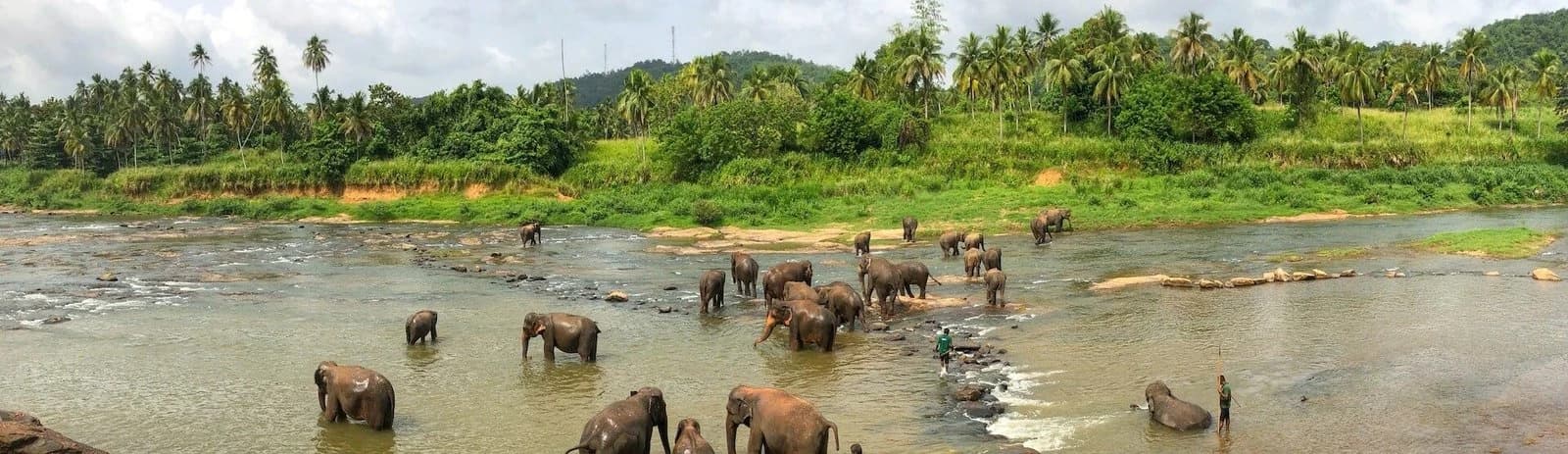

India
5 days · Tailor-made
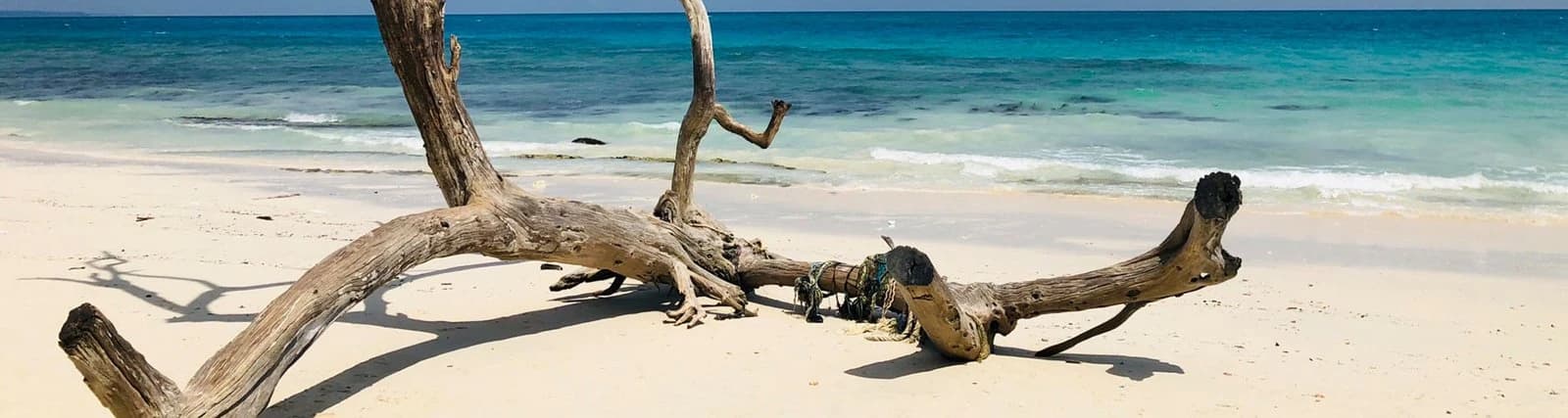
Travel component: Paradise Andaman & Nicobar Islands
from € 410,- / per person
Ready to plan your trip?
Tell us roughly when, who's travelling and what kind of pace you like. We'll send back a draft itinerary within 1–2 days.
Plan your trip