Planning
Best Time to Visit Sri Lanka: Two Monsoons, Two Coasts
8 September 2026 · 7 min read
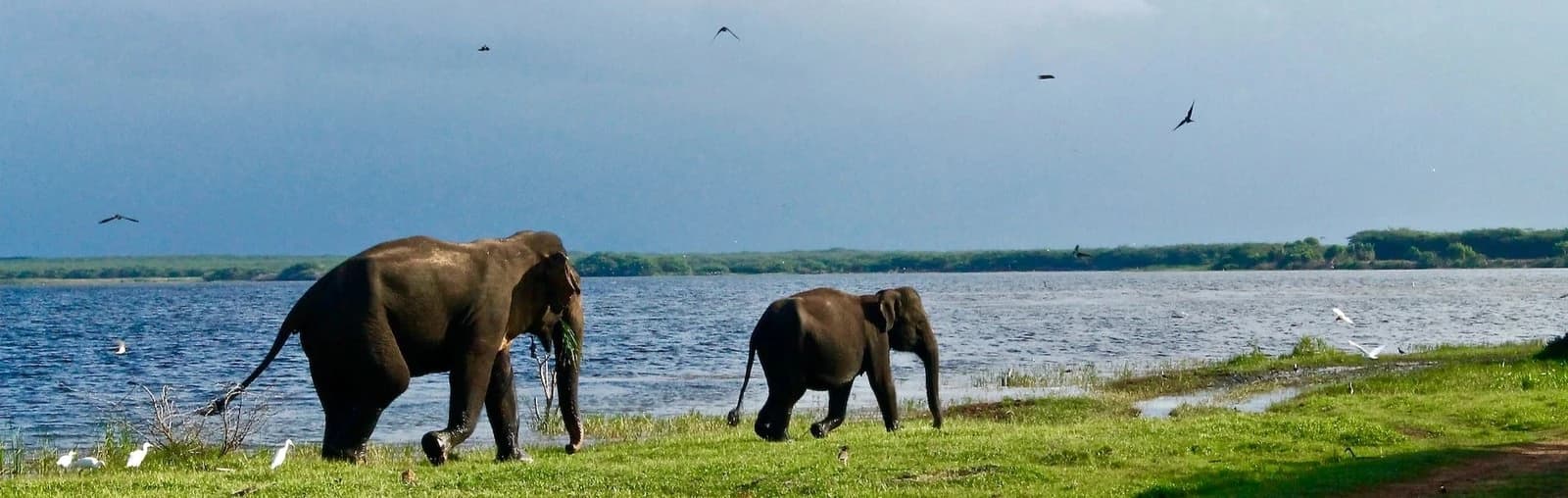
Sri Lanka's two monsoons arrive at opposite times and soak opposite coasts. So there is no bad month to travel — only a wrong coast for the month you have picked.
Sri Lanka is about 430 km from north to south and has two separate monsoons. They arrive at opposite times of year and they soak opposite coasts. Once you know that, the question changes shape. There is no closed season here. There is only a wrong coast for the month you have picked.
The short answer
- January to March — the southwest, the hill country and the cultural triangle. The most settled weather for the route most people want.
- May to September — the east and northeast coast: Trincomalee, Nilaveli, Pasikuda. Calm sea and clear water, while the southwest is wet.
- March and April — the one stretch where both coasts work at the same time. You pay for it in heat.
- October and November — the changeover. Storms almost anywhere, usually building in the afternoon rather than raining all day. Lowest prices, emptiest sites.
The two monsoons, in plain terms
The Yala monsoon blows in from the southwest, roughly May to September. It hits Colombo, Galle, Unawatuna, Negombo, the Sinharaja rainforest and the western slopes of the hill country.
The Maha monsoon comes from the northeast, roughly December to February. It hits Trincomalee, Nilaveli, Pasikuda and Jaffna, and brushes the cultural triangle around Sigiriya and Polonnaruwa. On that east coast the wet weather often starts earlier, from late October.
Between the two sit the inter-monsoon periods. March and April are usually settled and hot. October and November are the unsettled one, with storms that build in the afternoon.
Neither monsoon means two weeks of grey drizzle. It usually means heavy rain for an hour or two, often late afternoon or overnight, then it clears.
Temperature is about altitude, not the month
The coast sits at 27–32°C all year with high humidity. Colombo, Galle and Negombo barely vary.
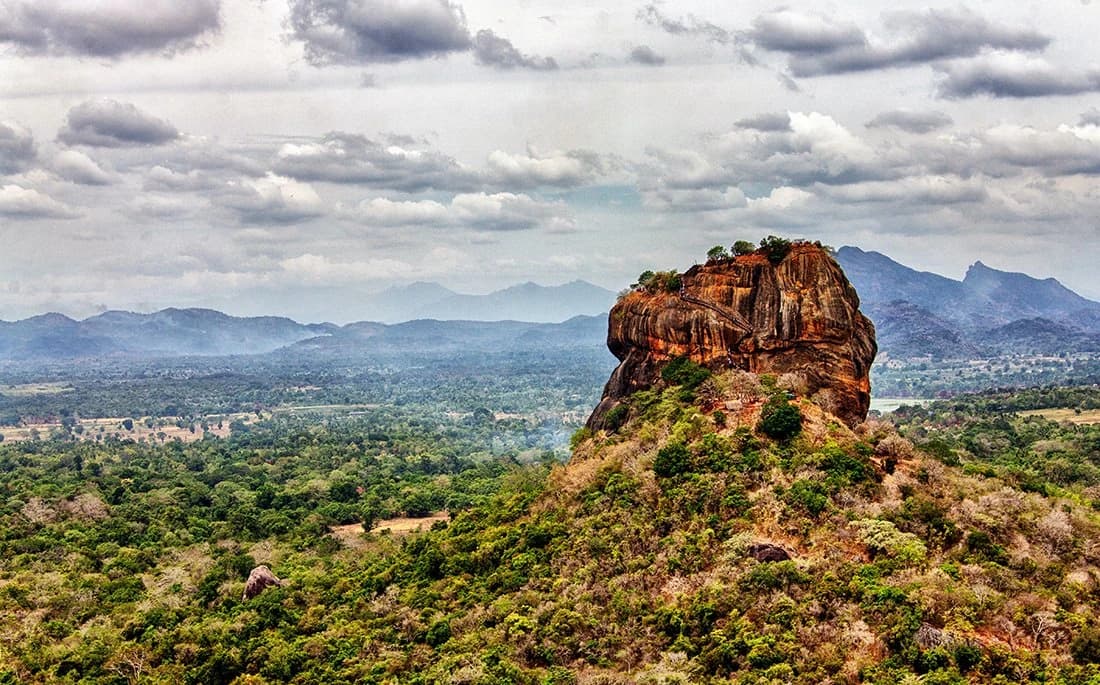
The cultural triangle is the hot part. Sigiriya, Dambulla, Polonnaruwa and Anuradhapura reach 33–35°C in March, April and May. The climb up Sigiriya rock is exposed the whole way. In April, start at 7am or don't start at all. More on that region on our Sigiriya page.
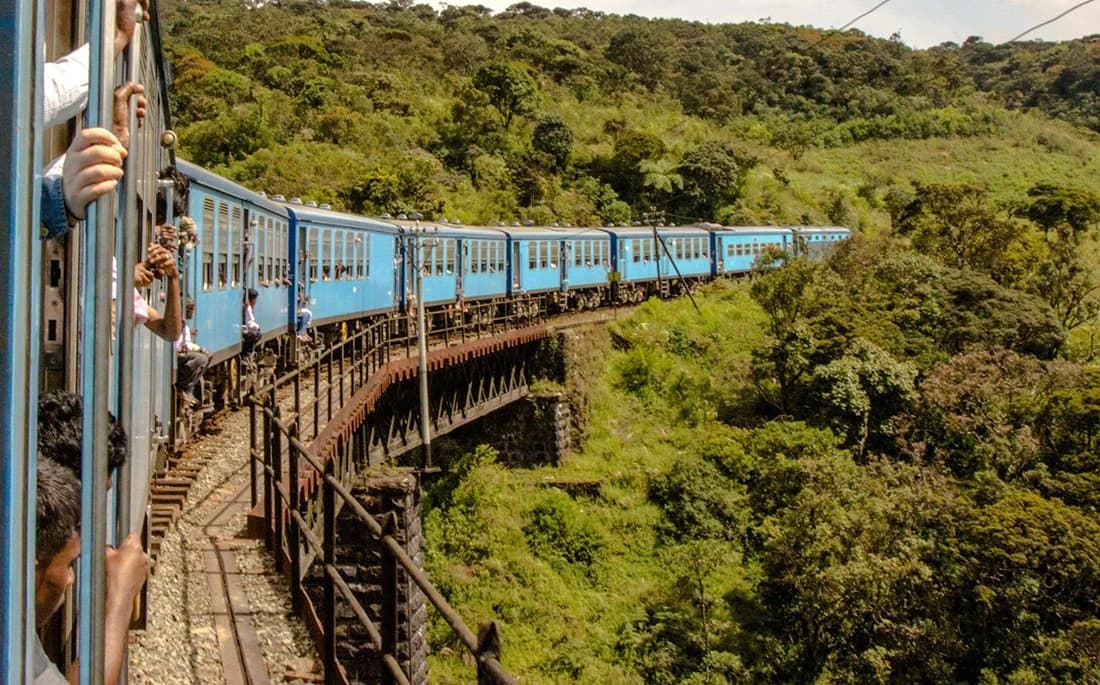
The hill country is a different climate. Nuwara Eliya sits at about 1,900 m: 18–20°C by day, 5–10°C at night, colder in January and February, when the highest tea estates get ground frost. Ella, at around 1,000 m, is milder — mid-20s by day, around 15°C at night. Bring a fleece. Almost nobody does. See Ella.
Horton Plains catches people out. You start walking before dawn at over 2,000 m and it can be 5°C. The view from World's End only exists before the cloud arrives, usually between 9 and 10am. January to March gives the best odds of seeing the escarpment drop and the plains below it.
The wildlife calendar
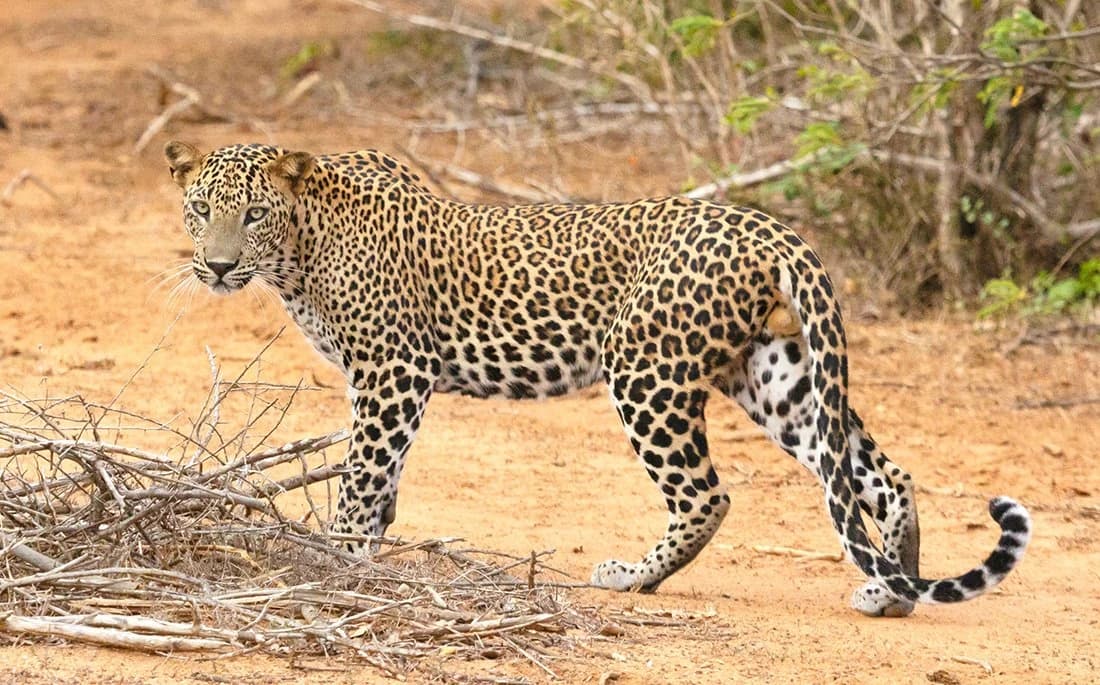
Yala National Park is at its best from February to July, when the waterholes shrink and animals concentrate around them. Block 1, the section almost everyone visits, normally closes from around 1 September to mid-October each year. The exact dates shift, so we check them before confirming any itinerary. If Yala matters to you, avoid September. Two of our trips run a jeep safari there — see Yala.
Udawalawe has no closed season and produces elephants in every month. That is why it is the park we use on Sri Lanka's glory and Between culture and jungle — nothing to plan around.
Sinharaja is a rainforest and behaves like one. It rains in most months. The relative dry spells are January to early March, and August. After rain there are leeches, so wear long socks and take the ones the ranger offers you.
Adam's Peak has a season, and it is not about weather
The pilgrimage season runs from the December full moon to the May full moon. Inside it, the 5,000-plus steps are lit through the night and the tea stalls on the way up are open. Outside it, the path is dark, the stalls are shut and the summit is usually in cloud.
Two of our trips include the climb — Forests, tea plantations & culture and Culture & nature. Both are private, so you can run them in any month. Book them between December and April anyway. Outside the season you make the same climb for a view you will not get.
Three dates that will change your trip
- Esala Perahera, Kandy — ten nights of processions ending on the Esala full moon, usually late July or August. Elephants, dancers, fire. Kandy hotels sell out months ahead and rates jump. Every Sri Lanka itinerary we run passes through Kandy, so this is either the reason to travel in August or the reason not to.
- Sinhala and Tamil New Year, 13–14 April — the country largely stops for two or three days. Shops shut, buses fill, families travel. Worth seeing, awkward to move around in.
- Poya days — every full moon is a public holiday. Liquor shops close and bars stop serving. Easier to plan around than to be surprised by.
Which of our trips suits which month
- The wonderful world of Sri Lanka — 13 days, from EUR 750. Galle and Unawatuna, Ella, Horton Plains, Kandy, then Dambulla, Polonnaruwa, Sigiriya and Anuradhapura. Southwest first, cultural triangle second. January to March, so the triangle is past the northeast rain.
- Between culture and jungle — 14 days, from EUR 1,380. This one crosses the island: Dambulla, Polonnaruwa and Sigiriya at the start, then the Knuckles range, tea country, Udawalawe, two days in Sinharaja and Galle. Because it takes in both the triangle and the rainforest, January to March is the honest window rather than December.
- Forests, tea plantations & culture — 14 days, from EUR 1,140. Kandy, Horton Plains, Ella, Adam's Peak, Sinharaja. No cultural triangle at all, so December to April works, best December to March.
- Culture & nature — 14 days, from EUR 1,120. Unawatuna, Kandy, Adam's Peak, World's End, Ella, Yala, Sinharaja. December to March, with February and March the strongest for Yala.
- Sri Lanka's glory — 14 days, from EUR 1,050. The only trip with a real east-coast stay: four days at Nilaveli, with Pigeon Island snorkelling nearby. That coast is at its best May to September. If you also want Sinharaja to be walkable on the same trip, March and April are the compromise.
- Breathtaking nature & culture — 14 days, from EUR 1,220. Dambulla and Sigiriya, Pasikuda on the east coast, then Nuwara Eliya, Yala and Galle. March and April, when both coasts hold up at once. The Maldives days at the end are optional and cost extra on top of the EUR 1,220, depending on the resort category you pick.
What this means for your dates
Every trip we run in Sri Lanka is private. There are no fixed group departures, so you choose the week rather than fitting into someone else's calendar. If your dates land in an awkward month, the order of the itinerary can usually be reversed — cultural triangle first instead of last, the coast at the other end — so you reach the wet side as it is drying out rather than at its worst. That flexibility is worth more than picking a "perfect" month.
A German-speaking guide is included on every itinerary, along with hotels and breakfast. Lunches and dinners are not. International flights are not included; any domestic flight inside an itinerary is. Accommodation runs Standard, Deluxe, Superior and Executive — comfortable, well-placed hotels. We do not sell a five-star tier, so if that is what you are after, we are not the right operator.
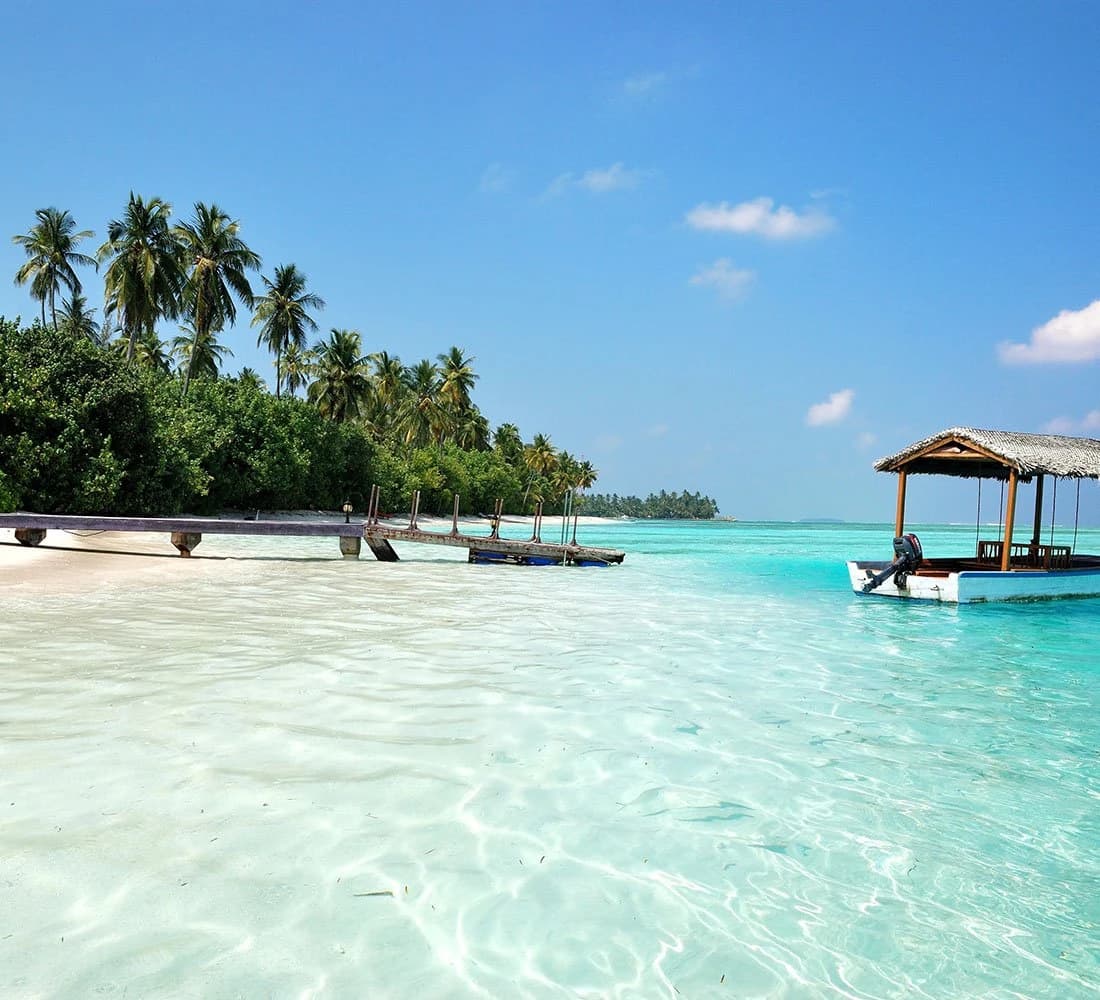
If you want to finish on the water, the Maldives can be added to the end of a Sri Lanka trip at extra cost, and its dry season runs December to April.
Start with the Sri Lanka destination guide, or browse all our trips and tell us which month you have. We will tell you which coast to be on.