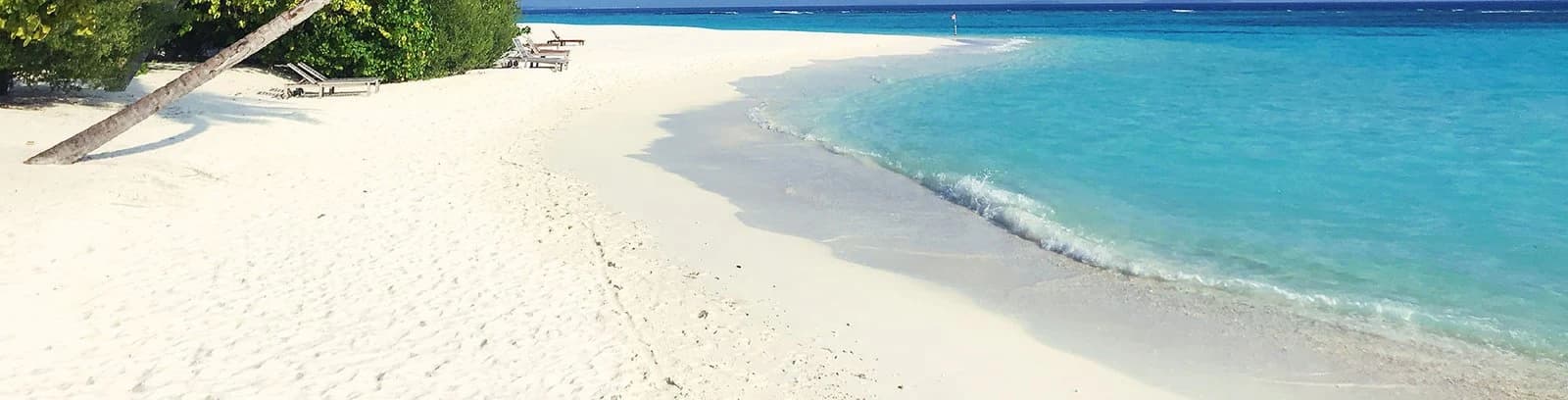
January to April is the dry season, November is the wettest, December is the changeover. Rain, sea temperature, visibility and price for all twelve months — and why the mainland half picks your date.
The dry season in the Maldives runs from January to April. February and March are the driest months and the clearest underwater. The wet season — the southwest monsoon, hulhangu — runs from May to November, and November is the wettest month of the year. December sits between the two: it usually starts wet and firms up towards the end.
Temperature is not the variable. Daily highs sit between 30°C and 32°C in every month, and the sea stays between 27°C and 30°C all year. What changes is rain, wind, water clarity and what a room costs.
One thing before the months, because it changes how you should read them. We are an India, Nepal, Sri Lanka and Bhutan operator with a team in Delhi. Three of our trips touch the Maldives, and each is four nights on one island at the end of a longer journey. We do not sell a two-week island holiday, we do not compare resorts, and we do not run dive courses. So in practice the month you travel is decided by the India or Sri Lanka half. More on that below.
The two monsoons, briefly
The northeast monsoon (iruvai) blows from roughly December to April. Winds are light, seas are calm, skies are mostly clear, and the water clears because there is less plankton in it. The southwest monsoon (hulhangu) runs from roughly May to November. It brings squalls rather than all-day drizzle: heavy rain for an hour or two, then sun. Wind picks up, the sea gets choppier, and visibility drops.
Malé sits about four degrees north of the equator, outside the cyclone belt. The weather risk in the wet months is a cancelled boat transfer, not a storm.
Month by month
Figures below are long-term averages for Malé, rounded.
- January — around 115 mm of rain over about six wet days. Highs 30°C, sea 28°C. The dry season is settling in and visibility improves through the month. Prices stay at Christmas levels until roughly the second week, then fall.
- February — the driest month, around 40 mm over four days. Highs 31°C, sea 28°C. Clear water, calm sea, and the busiest and most expensive month outside the Christmas week.
- March — around 75 mm over six days. Highs 31°C, sea 29°C. Strong sun, little wind, water clarity at its best. Still high season.
- April — around 125 mm over nine days. Highs 32°C and sea 30°C, the warmest of the year. Humid and heavy by the end of the month as the monsoon builds. Rates drop once Easter is over.
- May — the monsoon breaks: around 220 mm over fifteen days. Highs 31°C, sea 29°C. Prices fall hard.
- June — around 170 mm over thirteen days. Highs 31°C, sea 28°C. Windy, grey stretches, cheap.
- July — around 150 mm over twelve days. Similar weather to June, but European school holidays push rates back up.
- August — around 175 mm over thirteen days. Busy with families despite the rain, so you pay wet-season weather at summer-holiday prices.
- September — around 200 mm over fifteen days. Usually the quietest and cheapest month of the year.
- October — around 195 mm over fifteen days. Sea 29°C. Still low season, still wet.
- November — the wettest month, around 230 mm over fifteen days. Cheap until the last week, when Christmas pricing starts.
- December — around 215 mm over twelve days. Highs 30°C, sea 28°C. See below.
December, the month people ask about
December is not a dry month, and it is the month most people search for. The long-term average is over 200 mm of rain, closer to October than to February. What changes is the trend: the first half of December often still behaves like the wet season, and the second half usually starts behaving like the dry one. The changeover has no fixed date and moves by a couple of weeks year to year.
December is also the most expensive month. Christmas and New Year is the peak week, with the highest rates and minimum-stay rules at many resorts. If your dates are flexible, the first two weeks of December give you weather that is improving and prices that have not yet climbed.
Is the rainy season a washout?
No, but it is a real trade-off, so here it is straight.
Wet-season rain arrives in squalls. You will get long sunny stretches in July and September, and days that are half lost. Sea temperature does not drop, so swimming is unaffected. Wind is the bigger nuisance: chop makes small-boat trips less pleasant and sometimes cancels them.
Underwater visibility is the honest cost. In February and March you can often see 25 to 30 metres. In the wet months, plankton can cut that to 10 or 15. That same plankton draws manta rays and whale sharks between roughly May and November, which is why some divers prefer the wet season. None of our itineraries schedule diving or snorkelling, so whatever you do in the water is what your resort runs and books on the day.
What a Maldives stay with us actually is
- All three trips give you four nights on a single island. None of them island-hop.
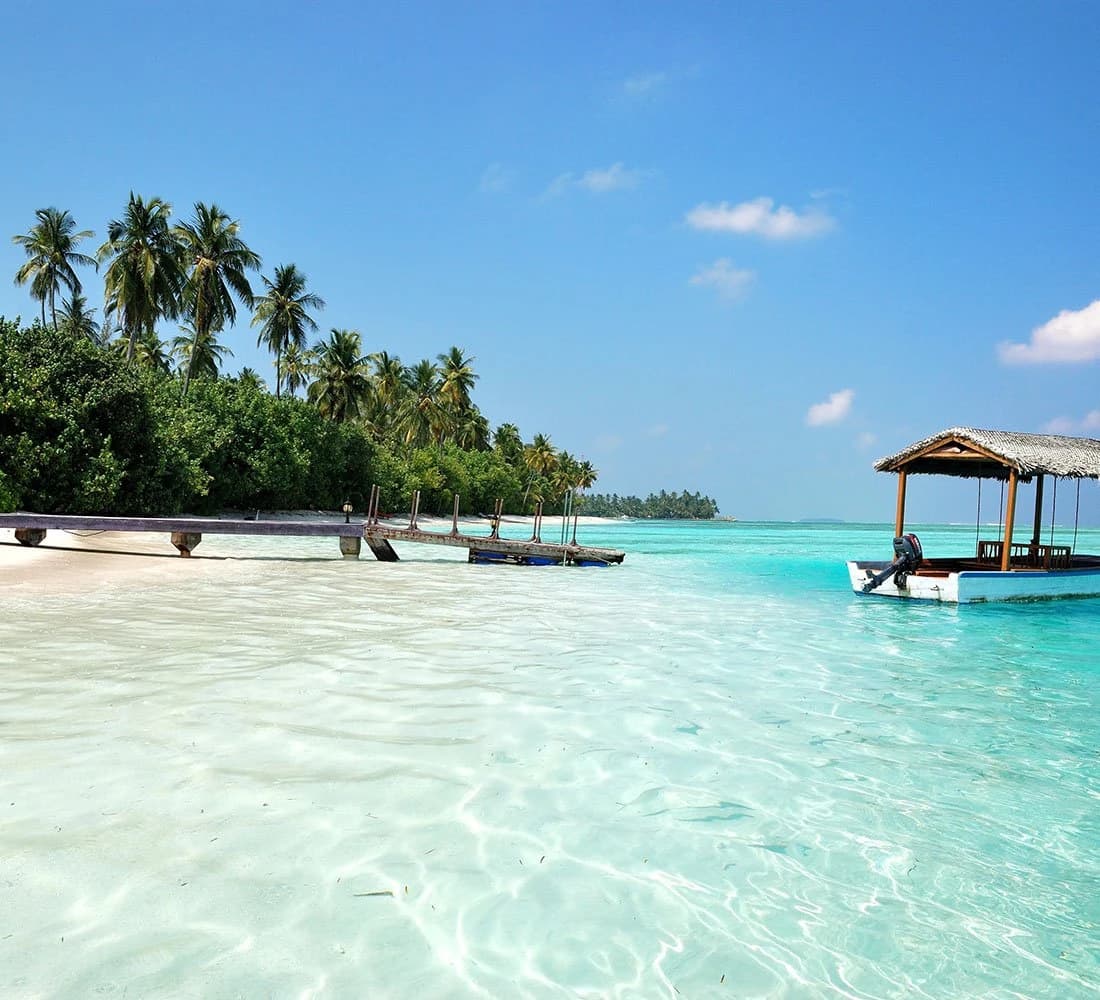
- The shortest is a five-day Maldives travel component from EUR 700. You land at Malé, a member of our staff meets you, and a speedboat takes you to the hotel island. Days two to four are yours, with no scheduled programme.
- Room categories across our tours are Standard, Deluxe, Superior and Executive. There is no five-star tier, and no overwater villa appears in any of the three itineraries.
- The only Maldives property our catalogue names is Embudu Village Resort, in a Superior Beach Bungalow, on the 15-day India route from EUR 3,140. It sits in South Malé Atoll. You reach it by speedboat from the airport; the return transfer is by speedboat or seaplane depending on your flight time.
- Every trip is private and guided, with a German-speaking guide, accommodation, breakfast and 24-hour contact included. There are no group departures.
Let the mainland half pick your month
The island leg is only four nights. The mainland decides.
Adding the Maldives to India. Rajasthan and the Golden Triangle are at their best from November to February. April to June is brutal in Jodhpur and Jaipur, and July to September is the monsoon. Our 15-day route spends ten nights across Delhi, Agra, Jaipur, Jodhpur, Udaipur and Mumbai, then flies to Malé on day 11. December to February suits both halves. Our month-by-month guide to India covers the mainland properly.
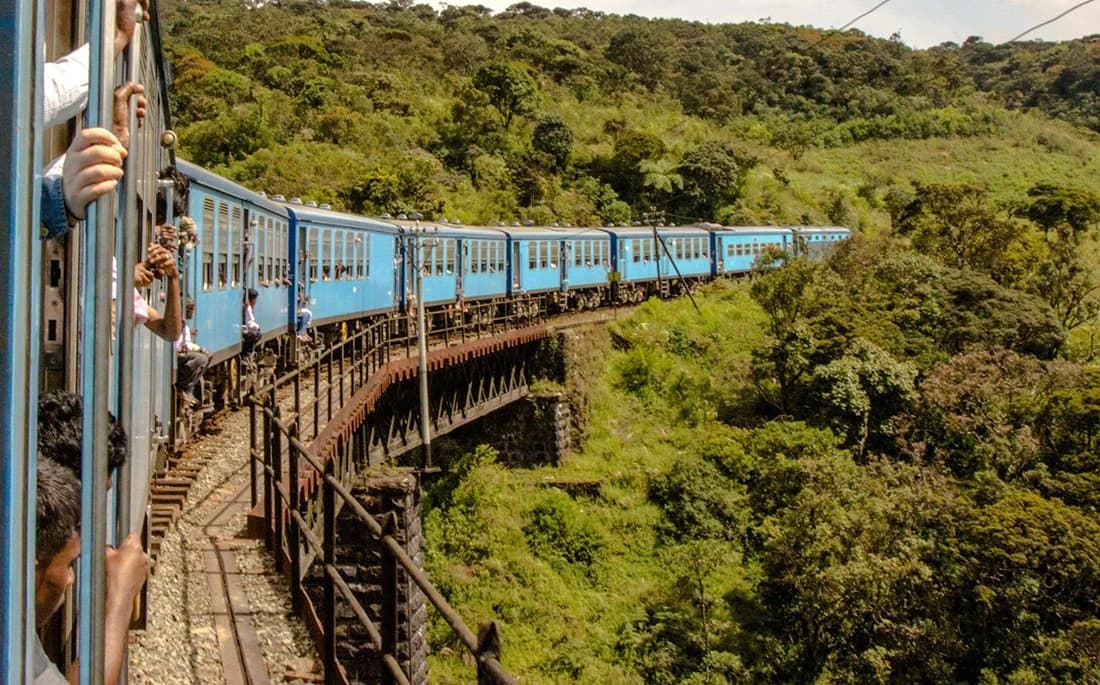
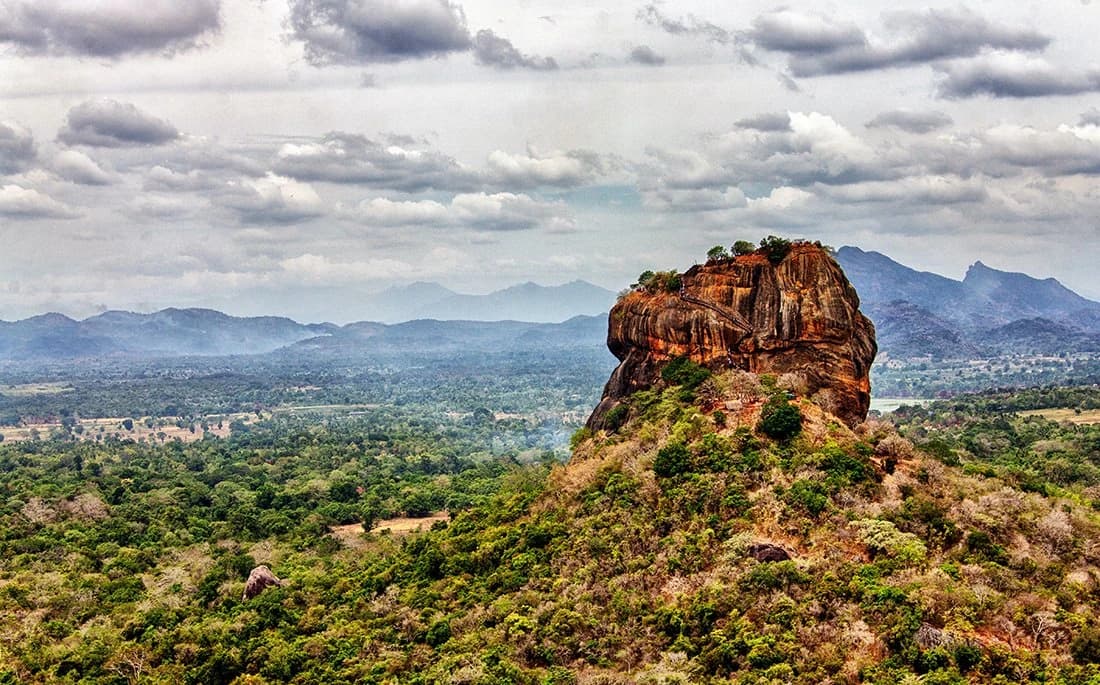
Adding it to Sri Lanka. This one has a conflict inside it. The trip is listed as 14 days from EUR 1,220, and its day-by-day then runs to day 17, because the four Maldives nights sit on the end as an optional extra at additional cost, at a resort of your choice. Days four to seven are the beach at Pasikuda on the east coast, which is at its best from May to September. The route then works south through Kandy, the tea country at Nuwara Eliya, Yala and Galle, all of which are at their best from December to March. February and March thread both: the east-coast rain has stopped and the southwest rain has not started, and it is also the Maldives' driest stretch. Yala's main block usually closes for several weeks around September and October, another reason to avoid autumn on that trip. The Sri Lanka and Sigiriya pages cover the mainland weeks.
Three cheaper beach finishes
If the Maldives price or the extra flight does not work, we sell three five-day beach components on the India side: Goa from EUR 350, Marari near Kochi in Kerala from EUR 400, and the Andaman & Nicobar Islands from EUR 410. All three are best from roughly November to March, and none needs an international sector.
Two things to confirm before you book
International flights are not included on any of our trips, and no itinerary states that the sector carrying you to the islands — Mumbai to Malé, or Colombo to Malé — is covered. Get it confirmed in writing in your quote.
Second, our catalogue shows one starting price per trip, not a seasonal grid. The resort rate for your dates is what moves the number, and the gap between September and Christmas week is large. Give us your window and we will price it. You can see the full range on the tours page.