
Tailor-made trips · India
Travel in Golden Triangle
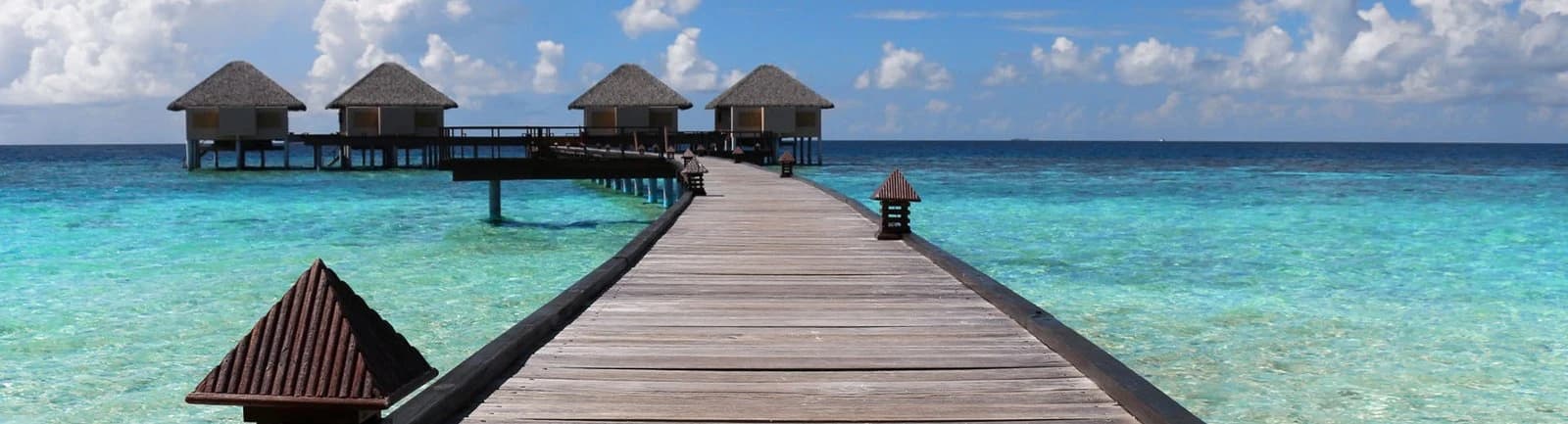
Tailor-made trips in Golden Triangle, designed by our team in Delhi and run on the ground by local guides. Delhi, Agra and Jaipur — the Taj Mahal, Agra Fort and Amber Fort, linked by road. Every trip in our catalogue that takes in the triangle carries on somewhere else: Rajasthan, Varanasi, the Darjeeling hills, Kerala or the Maldives.
Why Golden Triangle
One of the regions we know best
We've spent years travelling across Golden Triangle in every season. The trips below are built around the routes that work — the quiet ones, the beautiful ones, the ones with great food at the end of the day.
If none of them quite fit, get in touch. We'll happily build you a private version, shaped around your interests, fitness and pace.
How we travel here
Three ways to experience Golden Triangle with us
Cultural & Heritage
Cultural & Heritage in Golden Triangle
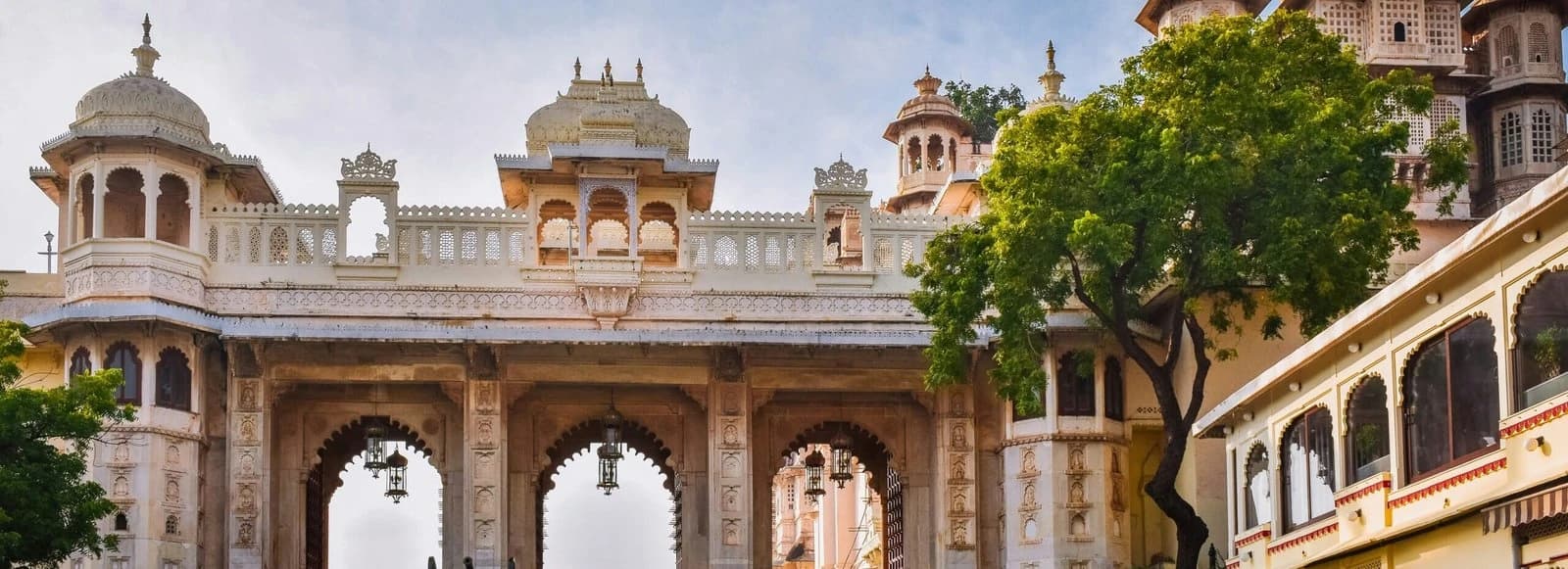
Forts, palaces, temples, festivals and old-quarter walks with local historians. The slow, layered way through the country.
- ▲UNESCO sites
- ▲Heritage hotel stays
- ▲Local guides
- ▲Year-round

Wildlife & Safari
Wildlife & Safari in Golden Triangle
Safaris and jungle camps in the right reserves at the right time of year. Tigers, leopards, elephants, rhinos.
- ▲National park access
- ▲Naturalist-led safaris
- ▲Conservation lodges
- ▲Best: Oct–April
Mountains & Coast
Mountains & Coast in Golden Triangle
From Himalayan hill stations and short Bhutanese walks to a quiet finish on Sri Lanka's south coast or a Maldives atoll.
- ▲Hill stations
- ▲Day walks
- ▲Beach finishes
- ▲Maldives add-on
Travel guide
Introduction to Golden Triangle
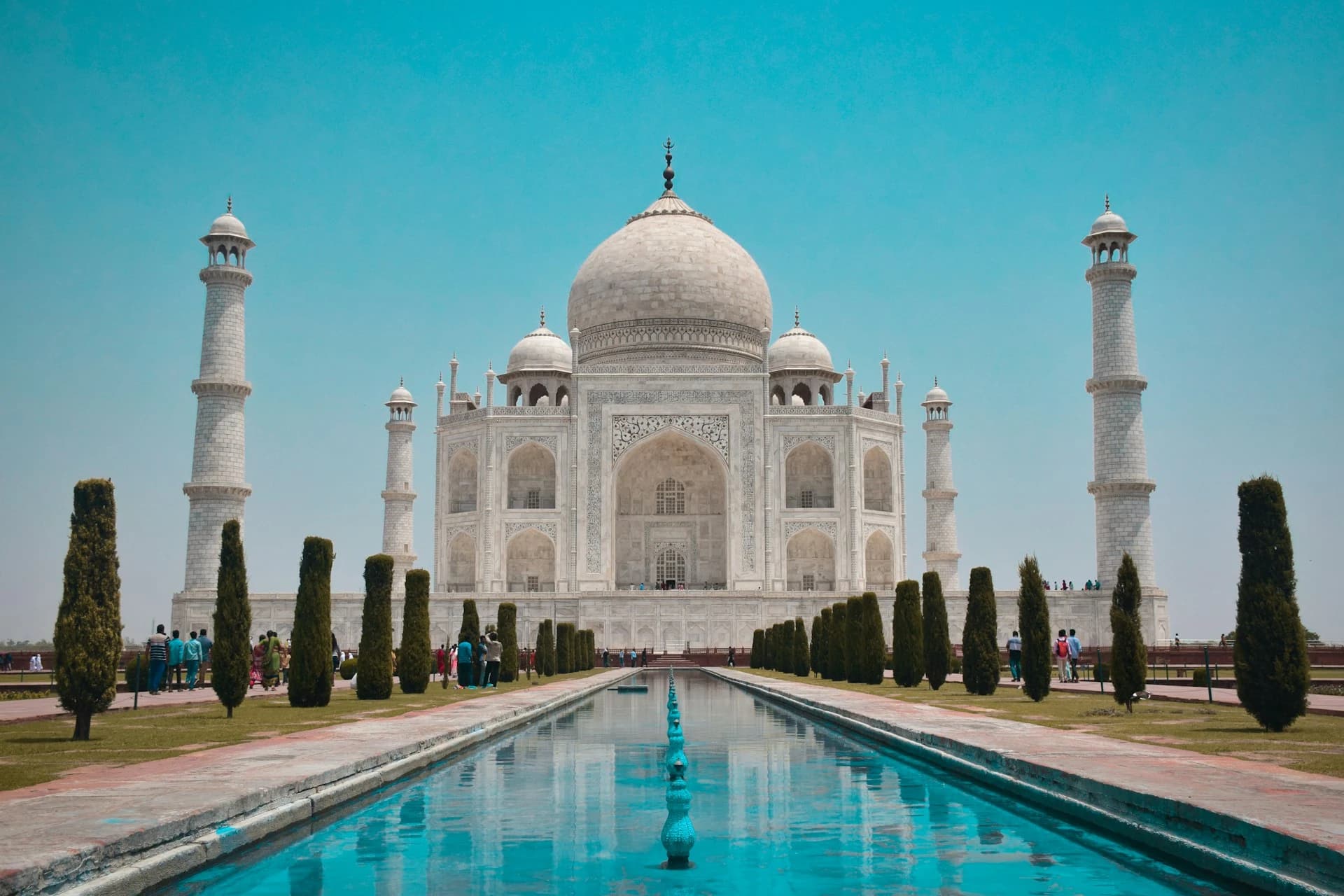
The Golden Triangle is Delhi, Agra and Jaipur — three cities that sit roughly at the corners of a triangle on the map of northern India, linked by road. Delhi is the capital, Agra was the Mughal one, and Jaipur is the capital of Rajasthan. Between them they hold the Taj Mahal, two Mughal forts, India's largest mosque and the largest stone observatory in the world.
Nine of our ten Golden Triangle trips begin in Delhi. On seven of them the Delhi day takes in the Red Fort from the outside, the Jama Masjid — India's largest mosque, with room for 20,000 at prayer — and the lanes of the old city, where the trade in spices, tea, cloth and street food runs. Most then continue to India Gate, the government quarter, the Bangla Sahib Gurudwara — Delhi's largest Sikh temple — and Lodhi Garden, which holds some of the city's oldest tombs. Four trips take in the Qutb Minar, a victory tower of over 72 metres built in the early 13th century, and one adds Humayun's Tomb. The 21-day North India trip goes deeper into Old Delhi: Chandni Chowk, Khari Baoli — Asia's largest spice market — and Raj Ghat, where Gandhi was cremated.
Agra is usually a single day. Several trips schedule the Taj Mahal for sunrise; the seven-day Colors of India and the twelve-day Colourful Rajasthan & Himalayas say so outright. Agra Fort follows: the Mughal seat of power for several generations, and the place where Shah Jahan, who built the Taj, spent his final years able to see it only from a distance. Two trips add the Taj at sunset from the far side of the Yamuna, one of them from the Mehtab Bagh garden opposite. Four include a cooking demonstration with a local family, usually followed by dinner.
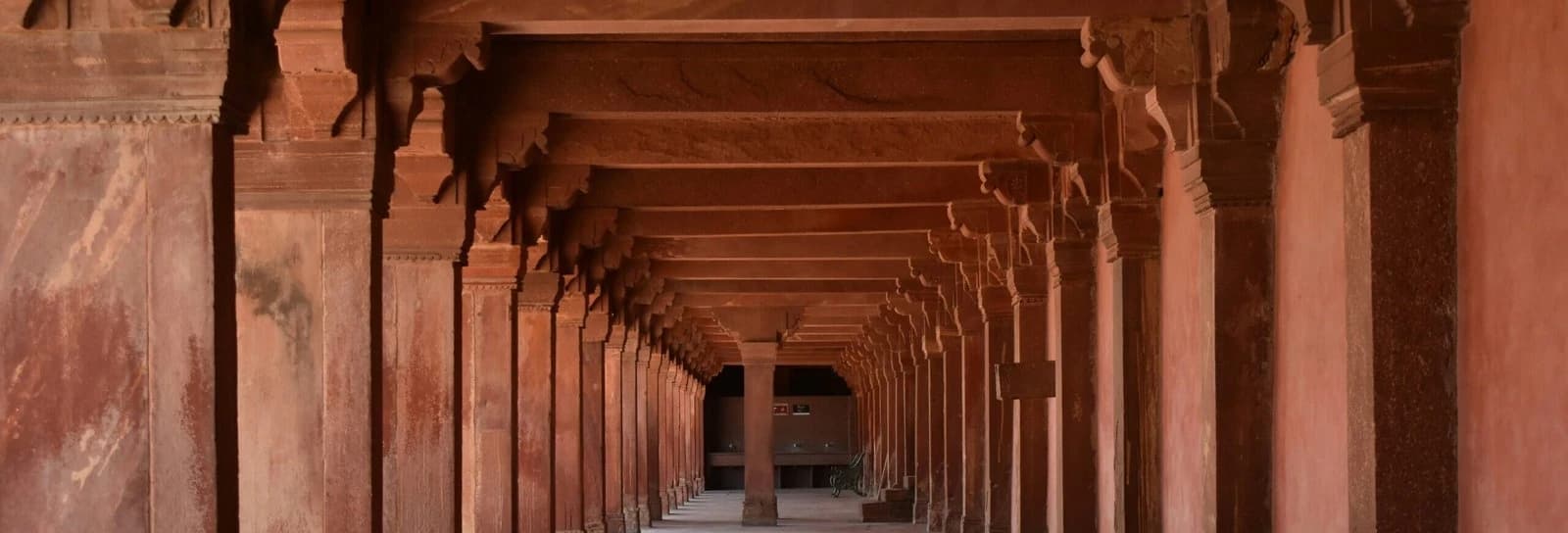
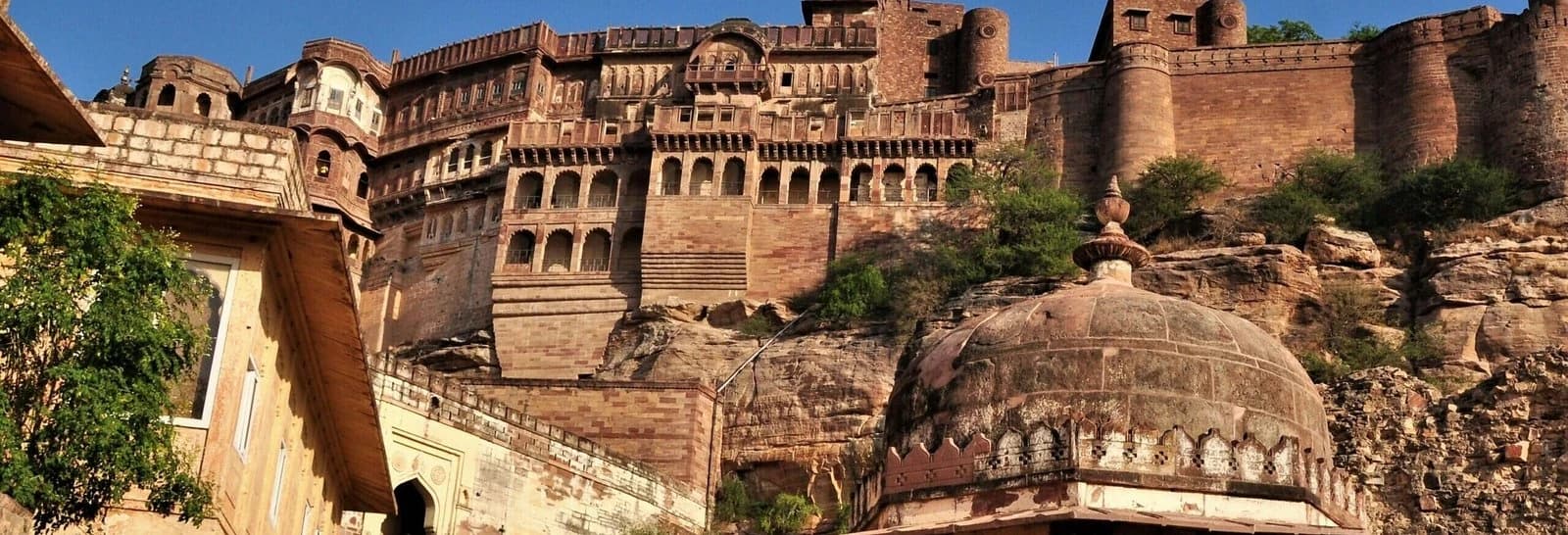
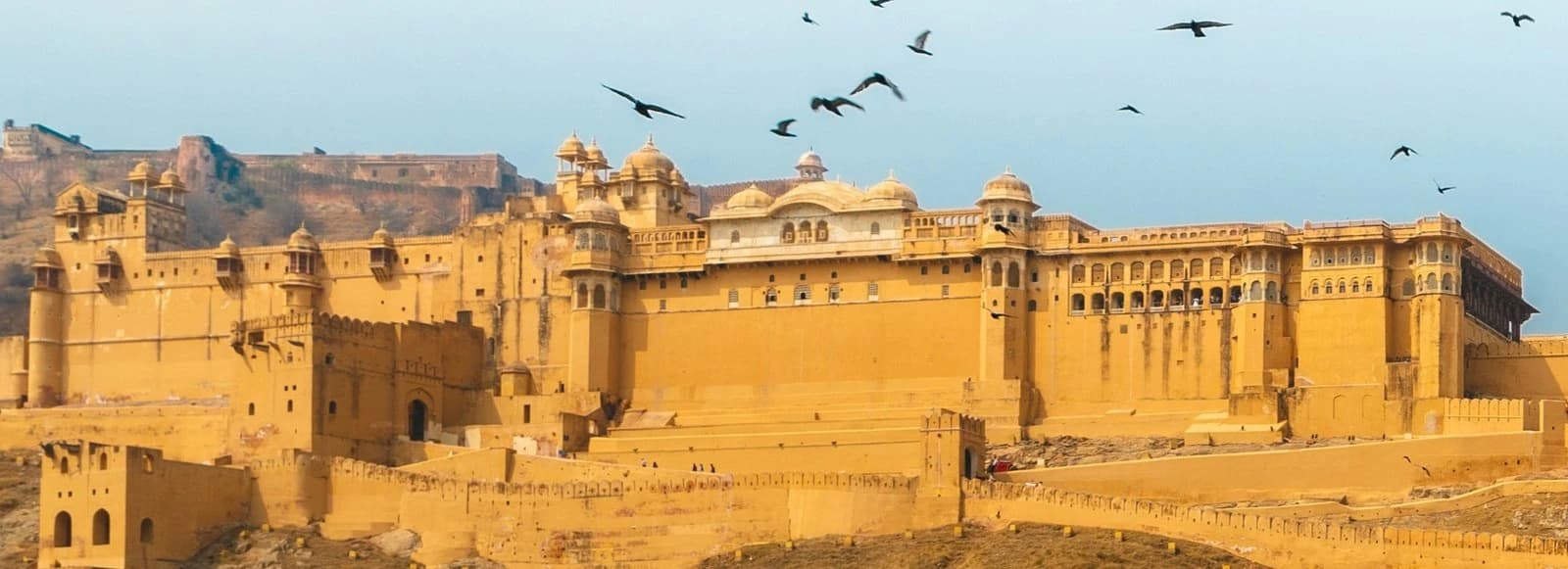
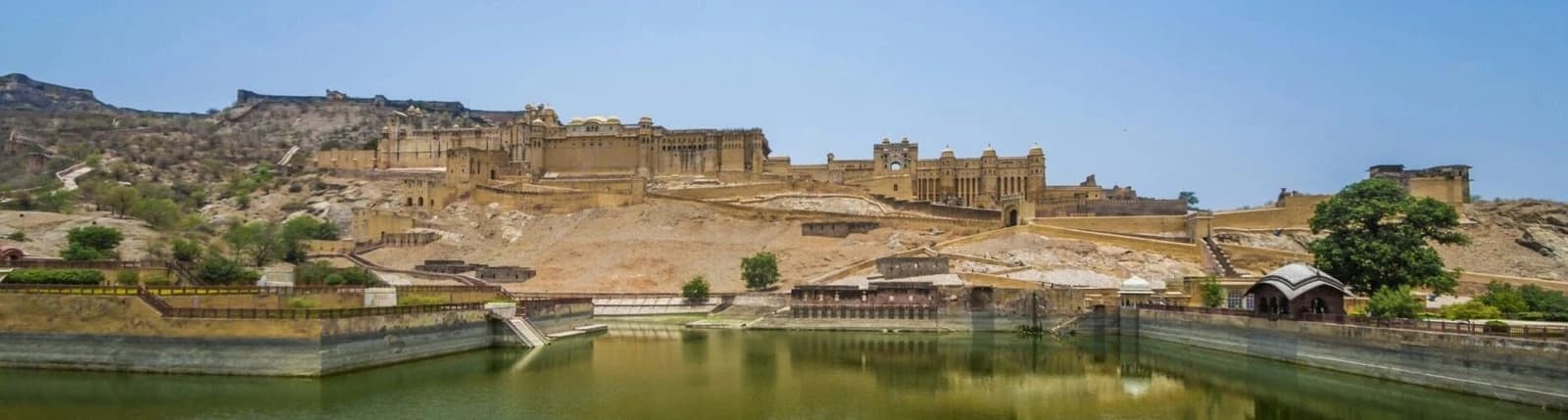
Jaipur usually gets two days. Amber Fort above Maotha Lake, the Jantar Mantar, the City Palace — still partly lived in by descendants of the former ruling family — and a photo stop at the Hawa Mahal appear on all ten trips. What changes is the rest: a rickshaw ride through the bazaars, a current Bollywood release at the Raj Mandir palace cinema, tea with a Jaipur family, hand-block printing with local artisans, a cooking class in a private home, the evening ceremony at the Birla Temple, or Jaigarh Fort and the royal cenotaphs at Gaitore.
Two stops break the drives in and out of Agra. Fatehpur Sikri, on five of the trips, is the capital Akbar built as a meeting point for different religions, then abandoned when the water ran short and the planning proved poor. Chand Baori at Abhaneri, on three, is a stepwell whose stairs drop more than 20 metres to the water.
One thing to be clear about: none of the ten trips stops at the three cities. The shortest is seven days and carries on to Udaipur, timed to the Holi festival. The eight-day trip runs Delhi, Jaipur, Agra and ends in Varanasi. After that the triangle becomes the opening act — of Rajasthan, of tiger safaris in Ranthambore and Sariska, of the Darjeeling hills, of Kerala, or of a beach finish in the Maldives.
How many days do you need for the Golden Triangle?
Delhi is normally an arrival day plus one full day of sightseeing, Agra one day, and Jaipur two. That is why none of our trips stops at the three cities on their own. The shortest is seven days and spends the spare time in Udaipur; the next is eight days and ends in Varanasi. From ten days upwards the triangle becomes the opening week of a longer Rajasthan route.
Is the Taj Mahal closed on Fridays?
Yes. Eight of our ten itineraries state it on the Agra day. The trips are tailor-made and dated around your flights, so the Agra day is placed off a Friday and the rest of the route moves with it. Two other closures matter if your trip goes further: the Akshardham temple in Delhi is shut on Mondays, and in Darjeeling the Himalayan Mountaineering Institute and the Padmaja Naidu Zoo are shut on Thursdays.
Which way round do the three cities go?
Both ways. Five of the ten run Delhi–Agra–Jaipur and five run Delhi–Jaipur–Agra, and which one you get depends on where the trip goes next. Golden Triangle & Colors of India goes Delhi–Agra–Jaipur because it carries on to Udaipur; Royal Rajasthan & Varanasi goes Delhi–Jaipur–Agra and then leaves Agra on the night train east. The 21-day North India trip does not start in Delhi at all — it flies to Ahmedabad, and reaches Jaipur and Agra on days 12 to 15.
What is included, and what is not?
All ten trips are tailor-made and guided. Every one includes hotel accommodation, breakfast, a guide, 24-hour contact with the team while you are travelling, and a bottle of water on arrival. International flights are not included; the domestic flights inside the itineraries — Varanasi to Delhi, Jaipur to Kochi, Delhi to Bagdogra — are part of the routing. Two things to raise when you enquire: the guide named in the itineraries is a German-speaking guide, so confirm the language you need, and the tiger safaris in Ranthambore and Sariska are shared (a jeep for up to six, or a canter bus for up to twenty). Lead-in prices run from EUR 1,000 for the ten-day Magic of Rajasthan to EUR 3,140 for the fifteen-day India's Facets & Maldives.
When should I travel?
The itineraries do not fix a season — the trips are dated around your flights. Two things do pin dates. Golden Triangle & Colors of India is built around Holi in a royal garden in Jaipur, so that departure has to land on the festival, which moves each year. And the bird sanctuary at Keoladeo Ghana near Bharatpur, on the fourteen-day Royal Rajasthan & Varanasi, holds more than 360 bird species, many of them winter visitors — worth knowing when you pick dates.
Our journeys
Tailor-made trips in Golden Triangle
10 journeys built and led by our local guides — from gentle coastal weeks to high-mountain crossings.
Build your own trip →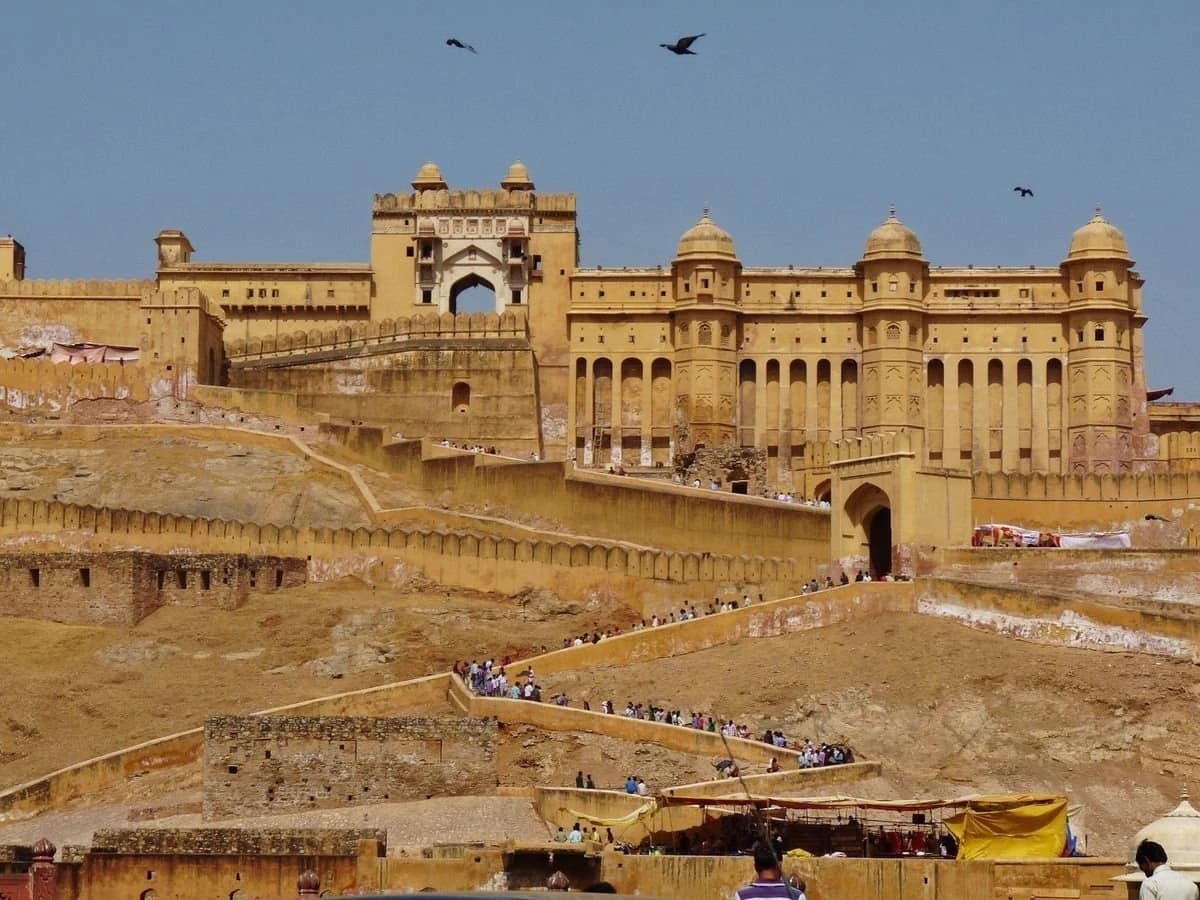

Meet your guides
Designed and led by local experts
We work in Golden Triangle year-round. Our team has spent years building relationships with the guides, drivers and small hoteliers we use here. When you book with us, you'll speak directly to the people who design your trip.
Meet the whole team →
Anil
Co-founder · New Delhi

Neetesh
Co-founder · New Delhi
Our guides
Across South Asia
Ready to plan your trip to Golden Triangle?
Tell us roughly when, who's travelling and what kind of pace you like. We'll send back a draft itinerary within 1–2 days, no payment until you're happy with the plan.
Plan your trip