
Tailor-made trips · Nepal
Travel in Everest Base Camp
Tailor-made trips in Everest Base Camp, designed by our team in Delhi and run on the ground by local guides. We do not run a trek to Everest Base Camp. No tour in this catalogue goes there. If that is what you came for, you should know it in the first line, not the fifth — and a Khumbu specialist will serve you better. Here is what we do run in Nepal, named honestly.
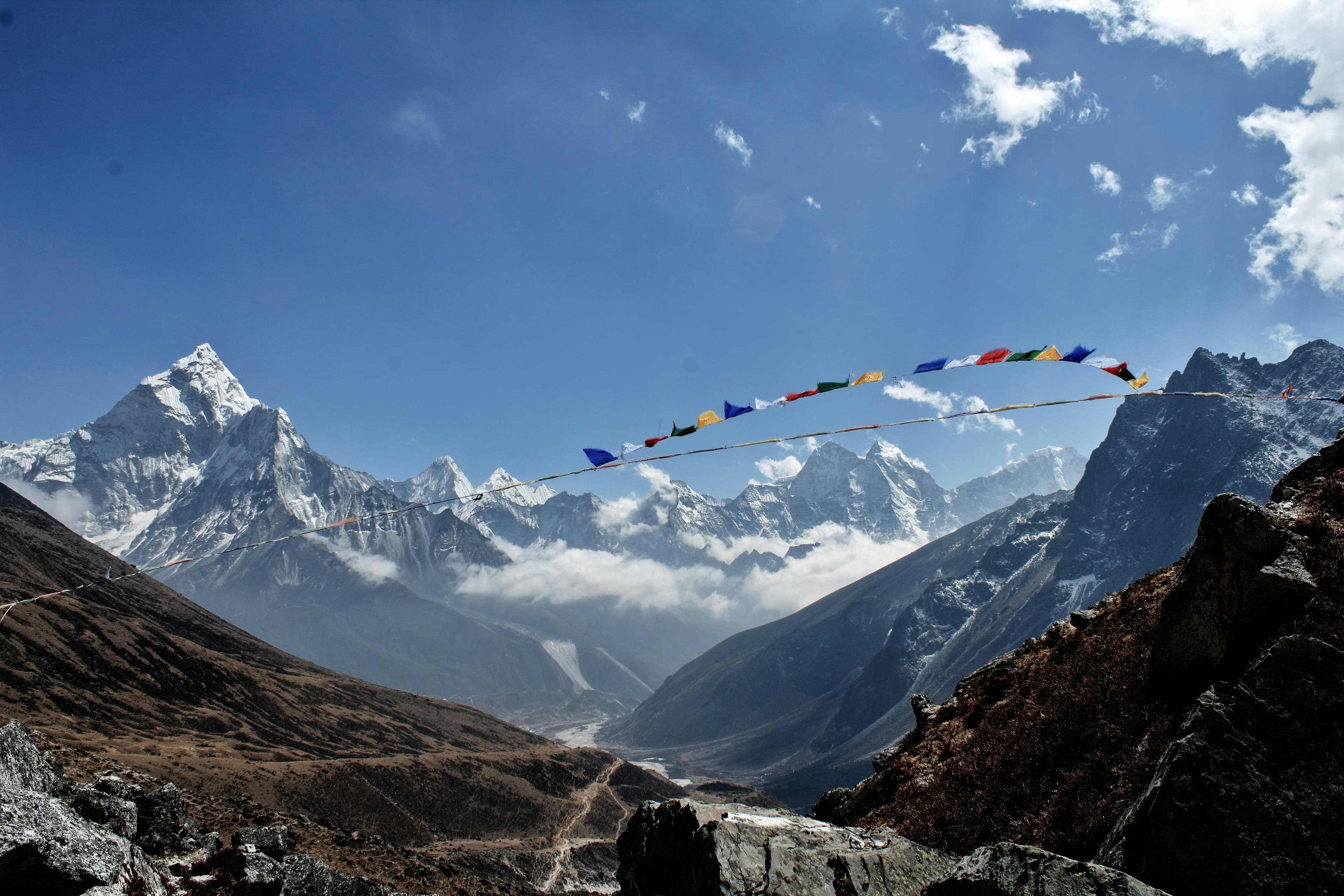
Why Everest Base Camp
One of the regions we know best
We've spent years travelling across Everest Base Camp in every season. The trips below are built around the routes that work — the quiet ones, the beautiful ones, the ones with great food at the end of the day.
If none of them quite fit, get in touch. We'll happily build you a private version, shaped around your interests, fitness and pace.
How we travel here
Three ways to experience Everest Base Camp with us
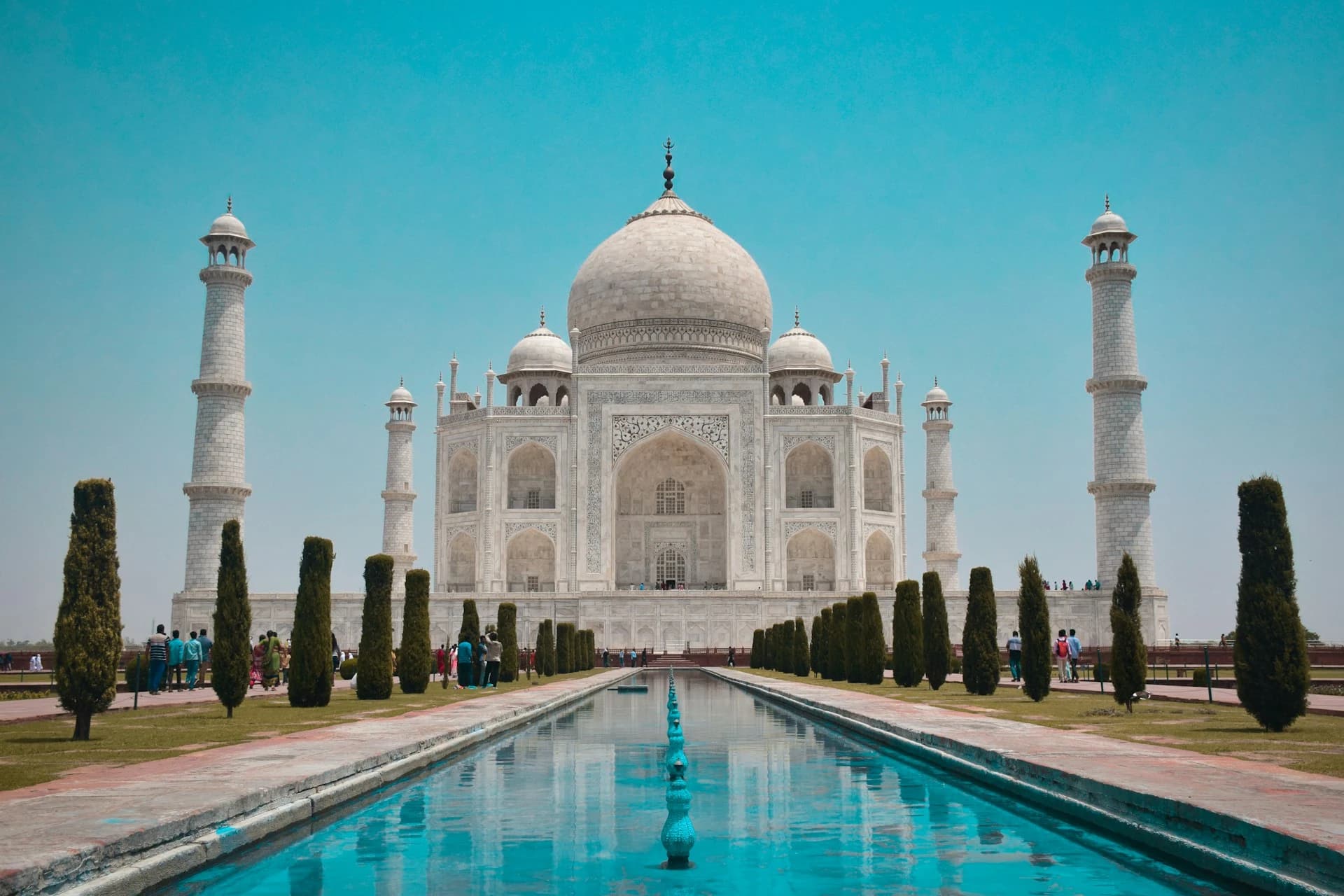
Cultural & Heritage
Cultural & Heritage in Everest Base Camp
Forts, palaces, temples, festivals and old-quarter walks with local historians. The slow, layered way through the country.
- ▲UNESCO sites
- ▲Heritage hotel stays
- ▲Local guides
- ▲Year-round
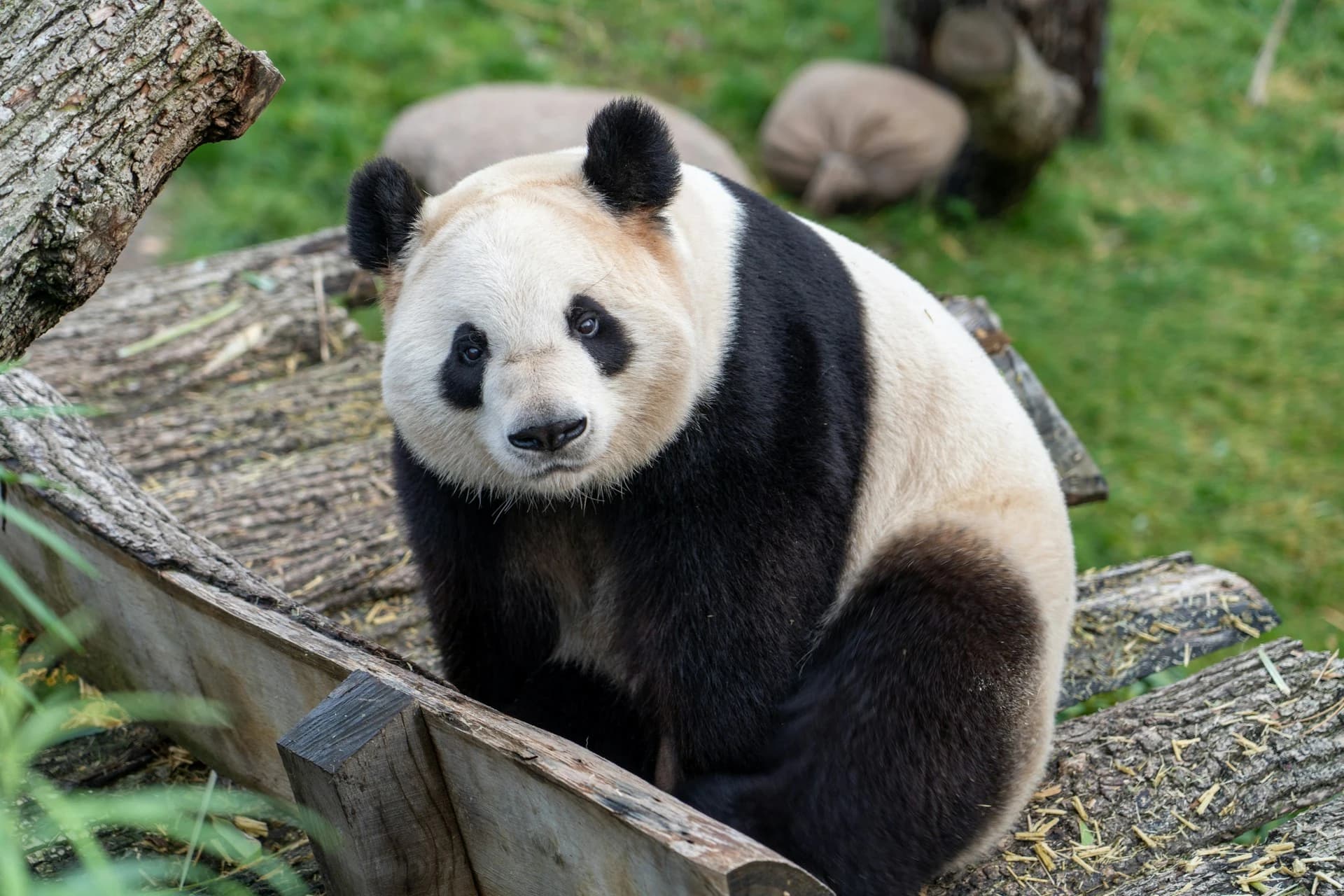
Wildlife & Safari
Wildlife & Safari in Everest Base Camp
Safaris and jungle camps in the right reserves at the right time of year. Tigers, leopards, elephants, rhinos.
- ▲National park access
- ▲Naturalist-led safaris
- ▲Conservation lodges
- ▲Best: Oct–April

Mountains & Coast
Mountains & Coast in Everest Base Camp
From Himalayan hill stations and short Bhutanese walks to a quiet finish on Sri Lanka's south coast or a Maldives atoll.
- ▲Hill stations
- ▲Day walks
- ▲Beach finishes
- ▲Maldives add-on
Travel guide
Introduction to Everest Base Camp
We do not run a trek to Everest Base Camp. No tour in this catalogue goes there, and we are not going to invent one for the sake of a web page — so if EBC is the trip in your head, the honest thing is to say it in the first line rather than the fifth paragraph, and to point you at an operator who works the Khumbu every season.
The place is real, though, and worth understanding properly. Base camp sits at about 5,364m on the Khumbu glacier, below the Icefall. The standard route flies Kathmandu to Lukla — a short hop onto a sloping runway cut into a hillside — then walks up the Dudh Koshi valley through Namche Bazaar, Tengboche and Dingboche. Budget twelve to fourteen days on the trail. That is not because the distance is long. It is because you have to gain height slowly enough for your body to keep up, which means rest days at Namche and Dingboche that look like wasted days on a schedule and are the reason people get there at all. Everest itself is hidden from base camp behind Nuptse; the view everyone pictures is from Kala Patthar at roughly 5,545m, usually walked in the dark from Gorak Shep for first light. October and November are the clearest months, March and April the second window. The Lukla flight is weather-dependent and delays of a day or more are normal in both seasons, so anyone flying home on a fixed date should leave slack.
What we run in Nepal is a different mountain and a different scale, and we would rather name that plainly than blur the two. The biggest walk we sell is Majestic Himalayas — 17 days from EUR 1,640, eleven trekking stages, finishing at Annapurna Base Camp at 4,130m. That is a serious Himalayan trek: a long valley approach, a sanctuary ringed by high peaks, real height gain day after day. It is also 1,200m lower than EBC, on the other side of the country, and looking at a different mountain. Below that, Culture and Himalayan Hiking (14 days, EUR 1,760) walks five stages through Ghorepani; Trekking Tour through Nepal (11 days, EUR 1,575) walks five stages up to Poon Hill; Impressions of Nepal: Culture and Nature (17 days, EUR 1,640) has six trekking stages above Pokhara with culture either side. If the walking is not the point, The World of Nepal (9 days, EUR 930) has no trekking at all — Kathmandu, Pokhara, Chitwan — and Temples, Shrines and Himalayas (14 days, EUR 1,350) tops out around 1,100m with three days in Chitwan.
Worth separating two things people often merge: a mountain view and a mountain trek. Several of our trips include sunrise from Nagarkot or from Sarangkot above Pokhara, and both are good mornings — you stand on a ridge with tea in your hand and watch the range come out of the dark. On a clear morning from Nagarkot the Everest massif is visible on the horizon, well over a hundred kilometres away. That is a view. It is not an approach, it involves no walking to speak of, and it will not scratch the itch if what you want is to stand on the moraine.
So: if Everest Base Camp is genuinely the trip, book it with a Khumbu specialist who runs it every season, knows the lodges, and has the Lukla weather in their bones. If what you actually want is a real Himalayan trek with your own guide and no group to keep up with, Annapurna is where we are good, and the timing question is answered in our guide to the best time to visit Nepal.
If EBC is the trip, book a Khumbu specialist
Operators who run the Everest route every season know the lodges, the guides, the acclimatisation profile, and how Lukla behaves when the weather turns. We do not run it, so we cannot claim any of that. Nothing in our catalogue can be stretched to reach base camp, and we will not pretend otherwise. Sending you to someone who does this properly costs us a booking and saves you a bad trip.
The two windows, and the Lukla problem
October to November and March to April are the workable seasons on the Everest route; outside them you are dealing with monsoon cloud or winter cold at altitude. The Kathmandu-Lukla flight is weather-dependent in both windows and losing a day is common, so any plan that ends with a fixed international flight needs a buffer. Our own Nepal trips sit in broadly the same seasons — the month-by-month detail is in our guide to the best time to visit Nepal.
How high our treks actually go
Annapurna Base Camp on Majestic Himalayas is 4,130m, reached over eleven trekking stages. The Ghorepani and Poon Hill routes top out a little over 3,200m. Temples, Shrines and Himalayas stays around 1,100m. None of that is Everest Base Camp altitude. Pick by the number, not by the word trek — and if eleven days of walking with real height gain sounds like more than you want, say so and we will point you at the shorter ones.
A sunrise is not a summit
Nagarkot (about 2,100m, an hour or so from Kathmandu) and Sarangkot (about 1,600m, above Pokhara) both give wide Himalayan panoramas at first light, and Nagarkot shows the Everest massif far off on a clear morning. You drive or walk a short way to each. Treat them as a view of the range, not an approach to it — people who book a mountain trip expecting one and getting the other are the people we are trying not to create.
What is included on every trip
Private guided travel with your own guide and driver, a German-speaking guide, hotel accommodation, breakfast, 24-hour contact throughout, and a bottle of water on arrival. International flights are not included; domestic flights written into an itinerary are. There are no fixed departure dates and no group to join — the trip runs on the dates you choose.
Where to start if you are undecided
Want the walking to be the point: Majestic Himalayas or Culture and Himalayan Hiking. Want the country with some walking in it: Impressions of Nepal or Trekking Tour through Nepal. Want none: The World of Nepal. The Nepal and Annapurna pages set out what each one covers.
Meet your guides
Designed and led by local experts
We work in Everest Base Camp year-round. Our team has spent years building relationships with the guides, drivers and small hoteliers we use here. When you book with us, you'll speak directly to the people who design your trip.
Meet the whole team →
Anil
Co-founder · New Delhi

Neetesh
Co-founder · New Delhi
Our guides
Across South Asia
Ready to plan your trip to Everest Base Camp?
Tell us roughly when, who's travelling and what kind of pace you like. We'll send back a draft itinerary within 1–2 days, no payment until you're happy with the plan.
Plan your trip