
By style · Style
Wildlife & Safari
Fourteen private, guided trips that put real reserves inside a real route: Ranthambore and Sariska in Rajasthan, Periyar in Kerala, Yala and Udawalawe in Sri Lanka, Chitwan in Nepal. From EUR 930. A tiger is never guaranteed.
About this collection
Tigers, rhinos, leopards, elephants — and honest odds
What "wildlife" means on this site
Fourteen of our trips carry this tag. None of them is a pure safari holiday. Each one puts one to three reserves inside a longer route through forts, temples, tea country or the Himalayas, because that is how the region works: India's reserves sit hours of driving apart, and a trip built only of them is mostly road.
Every trip here is private and guided. You travel with your own driver and a German-speaking guide, on dates you choose. What is not private is the safari vehicle itself. Park drives at Ranthambore, Sariska, Yala and Udawalawe are shared, and the park allocates them.
Ranthambore: what a full safari day actually is
Ranthambore appears on five trips: The magic of Rajasthan (10 days, from EUR 1,000), Royal Rajasthan & Varanasi (14 days, EUR 1,520), Rajasthan – The Land of Kings (14 days, EUR 1,800), India – from North to South (14 days, EUR 1,840) and On the trails of the Maharajas (15 days, EUR 1,840).
The pattern is the same on all five. You arrive the afternoon before, usually with a walk through the vegetable market in Sawai Madhopur, the town on the park boundary. The next day is the safari day: one drive at dawn, one in the afternoon. Both are shared. Depending on availability you get a jeep for up to six people or an open canter bus for up to twenty. You do not choose which; the park allocates on the day.
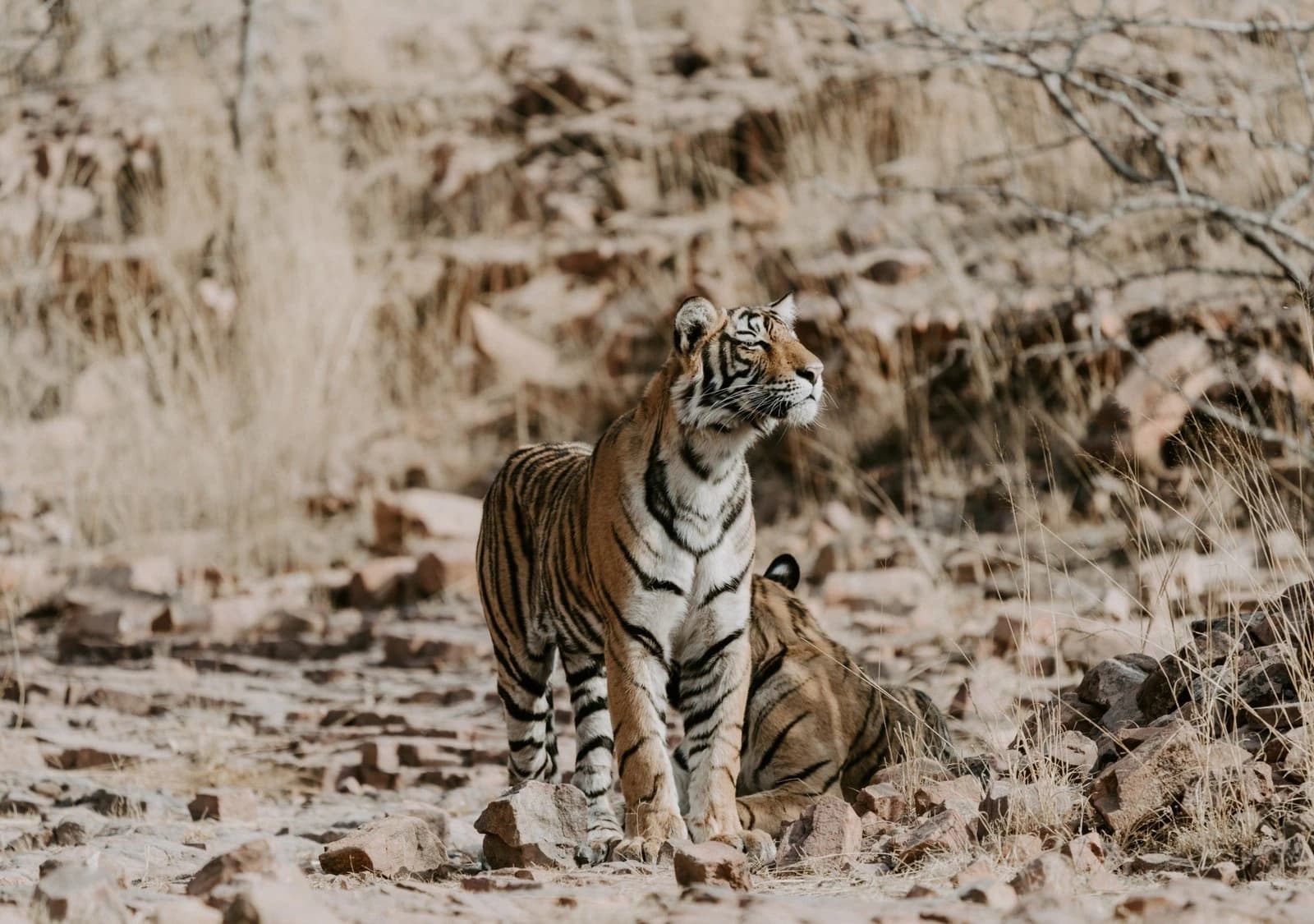
A tiger is not guaranteed on either drive. Ranthambore's tigers range across dense dry forest and they move. What you will reliably see is sambar deer, nilgai, langur, peacock and a long list of birds. Book the day for the two drives and the country they cross, and treat the tiger as the thing that might happen.
Sariska, the Chambal boat, and a bird park
The magic of Rajasthan is the most wildlife-dense trip we sell and the cheapest of the India ones at EUR 1,000. It adds an afternoon shared jeep safari in Sariska (up to six people) on day three, then two days at Dholpur, well off the usual route: a dawn boat safari on the Chambal for gharial, Ganges river dolphin, turtles and birds, water level permitting, plus the lake at Talab-e-Shahi, once a hunting lodge of Shah Jahan and now a birdwatching site. Ten days, three reserves, with Delhi, Jaipur and the Taj Mahal in between.
Royal Rajasthan & Varanasi takes a different second reserve: Keoladeo Ghana at Bharatpur, a former royal duck shoot and now home to more than 360 bird species, covered by rickshaw rather than jeep. It ends on the ghats of Varanasi after a night train from Agra.
Periyar is a lake, not a jeep
South India – Exotic World (11 days, EUR 1,570) and India – from North to South both include Thekkady in the Periyar reserve in Kerala. Be clear about what that is. It is a boat trip on Periyar Lake, water level permitting, and a morning walk along the park boundary, outside the park. Then a drive through the spice hills and a plantation visit. Good hours of forest and water, elephants seen at a distance — but not a jeep safari, and we will not describe it as one.
Sri Lanka: four trips, four different reserves
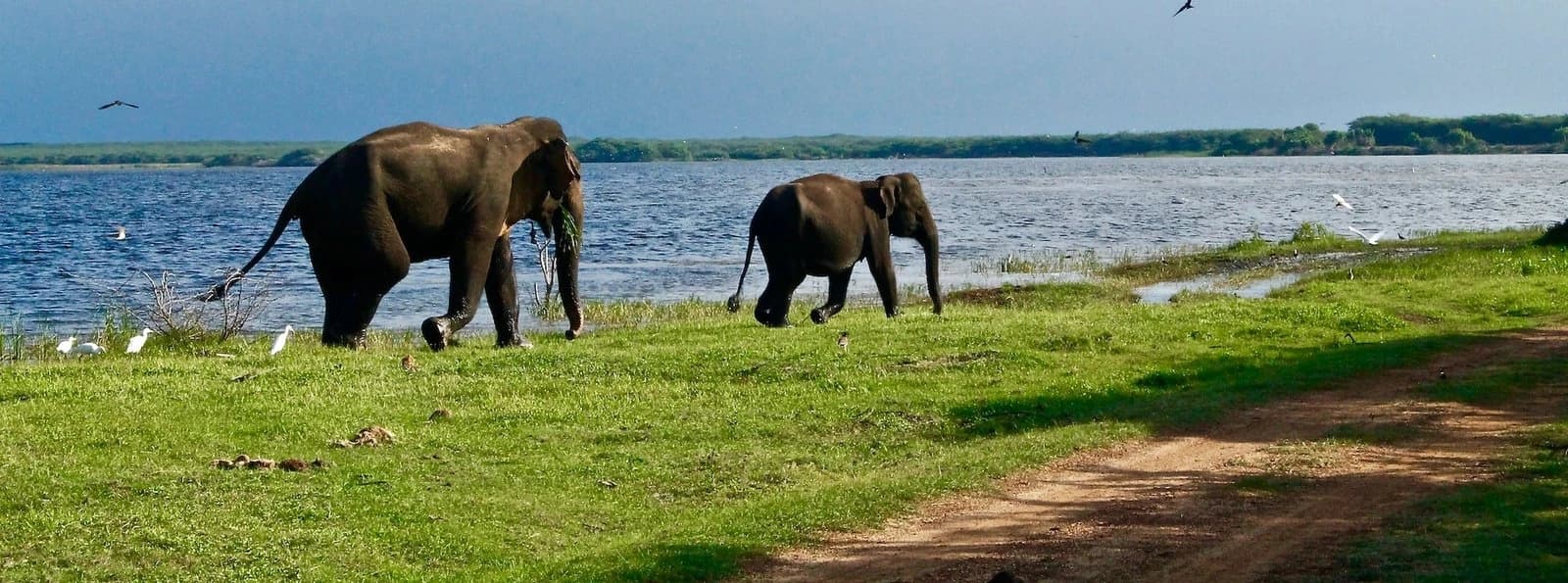
Sri Lanka's glory (14 days, EUR 1,050) pairs a walking safari in the Sinharaja rainforest with an afternoon shared jeep safari in Udawalawe — elephants, water buffalo, wild boar, mongoose — then beach days at Nilaveli.
Culture & nature (14 days, EUR 1,120) covers the widest spread: the World's End hike across Horton Plains at 2,000 to 2,300 metres, where sambar deer are common and a leopard is luck; an afternoon jeep safari in Yala from Tissamaharama; and two days walking Sinharaja with a ranger. It also climbs Adam's Peak.
Breathtaking nature & culture (from EUR 1,220) runs Pinnawela, Sigiriya, a Yala jeep safari, the turtle hatchery near Hikkaduwa and Galle, then finishes with beach days in the Maldives.
Between culture and jungle (14 days, EUR 1,380) is the rainforest one: Udawalawe by jeep, then two full days on foot in Sinharaja with a ranger who names the birds by call. More of this Sri Lanka route is walked than driven.
Nepal: rhinos in Chitwan, with one caveat
Four Nepal trips include Chitwan, which holds one of the last populations of greater one-horned rhino. The world of Nepal (9 days, EUR 930) is the shortest and cheapest trip on this whole tag: two Chitwan days with a dawn bird walk, then a jeep safari or a canoe trip, arranged by the lodge according to weather and conditions.
The caveat, plainly: no jeep safaris run in Chitwan in July, August or September. The lodge substitutes walks and canoe trips. If those are your only possible months, tell us before you book a Chitwan trip.
Temples, shrines & Himalayas (14 days, EUR 1,350) gives Chitwan three days, the most of any trip we sell. Culture and Himalayan hiking (14 days, EUR 1,760) puts Chitwan early, before the walking starts. Trekking tour through Nepal (11 days, EUR 1,575) has one afternoon jeep safari on day 10 — wildlife as the close of a trekking trip, not the reason for it.
Where to start
If the tiger is the point, start with The magic of Rajasthan: three reserves in ten days at EUR 1,000, and the Chambal boat is the part nobody expects. If you want animals without long Indian drives, The world of Nepal at EUR 930 is the shortest route to a rhino. If you want reserves and then a beach, the four Sri Lanka trips all run 14 days and all end at the sea.
Good to know
Practical info for wildlife & safari
What does a wildlife trip here cost, and what's in the price?
EUR 930 to EUR 1,840 per person across the 14 trips on this tag. The floor is The world of Nepal, 9 days at EUR 930. The cheapest one with tigers in it is The magic of Rajasthan, 10 days at EUR 1,000 — which is also the one with three reserves. The ceiling is India – from North to South and On the trails of the Maharajas, both EUR 1,840. Every price includes hotel accommodation, breakfast, a German-speaking guide, 24-hour contact throughout the trip, and any domestic flight written into the itinerary (Jaipur–Kochi on India – from North to South, Varanasi–Delhi on Royal Rajasthan & Varanasi, Jodhpur–Delhi on On the trails of the Maharajas). International flights are not included. Rooms come in four tiers: Standard, Deluxe, Superior and Executive. There is no five-star or luxury tier, and we would rather you knew that now than after you booked.
Will I actually see a tiger?
Possibly. Not guaranteed, and anyone who guarantees it is selling you something. Ranthambore's tigers range across a large area of dense dry forest. A full safari day gives you two shared drives, dawn and afternoon — two chances. Some guests see one on the first drive. Some see none in a day. Sariska is longer odds again, and Chitwan's Bengal tigers are rarely seen, though the greater one-horned rhino there is close to reliable. Leopards in Yala are seen more often than tigers in Ranthambore, but the same rule holds. What is reliable on any of these drives: sambar deer, nilgai, langur, peacock, and birds in quantity. Build the day around that and the tiger becomes a bonus rather than a disappointment.
Is the safari private, like the rest of the trip?
No — and it's the one part of your trip that isn't. Your guide, your driver and your vehicle between cities are yours alone. There are no group departures and no fixed dates. Inside the parks, though, the drives are shared. At Ranthambore you get either a jeep for up to six people or an open canter bus for up to twenty, allocated by the park on the day rather than chosen by you. Yala and Udawalawe are shared jeeps too. In Chitwan the lodge organises the day's activity — jeep, canoe or walk — according to weather and local conditions. If a shared canter with twenty people would spoil the day for you, say so when you enquire. We can tell you what the realistic options are for your dates before you commit.
When should I go?
For India, the dry months from roughly October to March are the comfortable ones for driving, walking and sitting in an open vehicle at dawn; the hot pre-monsoon months concentrate animals around shrinking water but are hard going. Month by month, see /blog/best-time-to-visit-india-month-by-month/. For Nepal, the hard fact above applies: no jeep safaris in Chitwan in July, August or September. Read /blog/best-time-to-visit-nepal/ before fixing dates. Sri Lanka has two monsoons on opposite coasts, so the island has no closed season as a whole — but Yala and the south read very differently in May than in January. See /blog/best-time-to-visit-sri-lanka/ and /blog/sri-lanka-weather-month-by-month/. Tell us your month when you enquire and we'll say which reserves work and which don't.
How many days do I need?
Nine at the minimum, and that's Nepal: Kathmandu, two Chitwan days, Pokhara, and the mountains. Nine days in India with a real safari day in it doesn't work — the driving eats it. For India, ten. The magic of Rajasthan fits Sariska, Ranthambore, the Chambal at Dholpur, Delhi, Jaipur and the Taj Mahal into 10 days. It's tight, but it holds together. Sri Lanka's wildlife trips are all 14 days, because the reserves sit at opposite ends of the island and every one of these routes finishes at the sea. If you want a proper safari day and a beach at the end, budget 14.
Who are these trips right for?
They're rated easy. The reserve days themselves ask very little of you physically — you sit in a vehicle or a boat. What they do ask is early starts, since the first drive leaves before breakfast, and tolerance for dust, heat and bumpy tracks. Families do these trips. So do travellers in their seventies. The ones with real walking in them are Culture & nature (the World's End hike across Horton Plains), Between culture and jungle (two days on foot in Sinharaja) and Trekking tour through Nepal. If mobility is a concern, tell us at the enquiry stage rather than after booking. Every trip is built for you, so it can be adjusted — the Keoladeo bird park on Royal Rajasthan & Varanasi is done by rickshaw for exactly that reason.
Our journeys
Wildlife & Safari journeys
14 journeys that match — built and led by our local guides.
Build your own trip →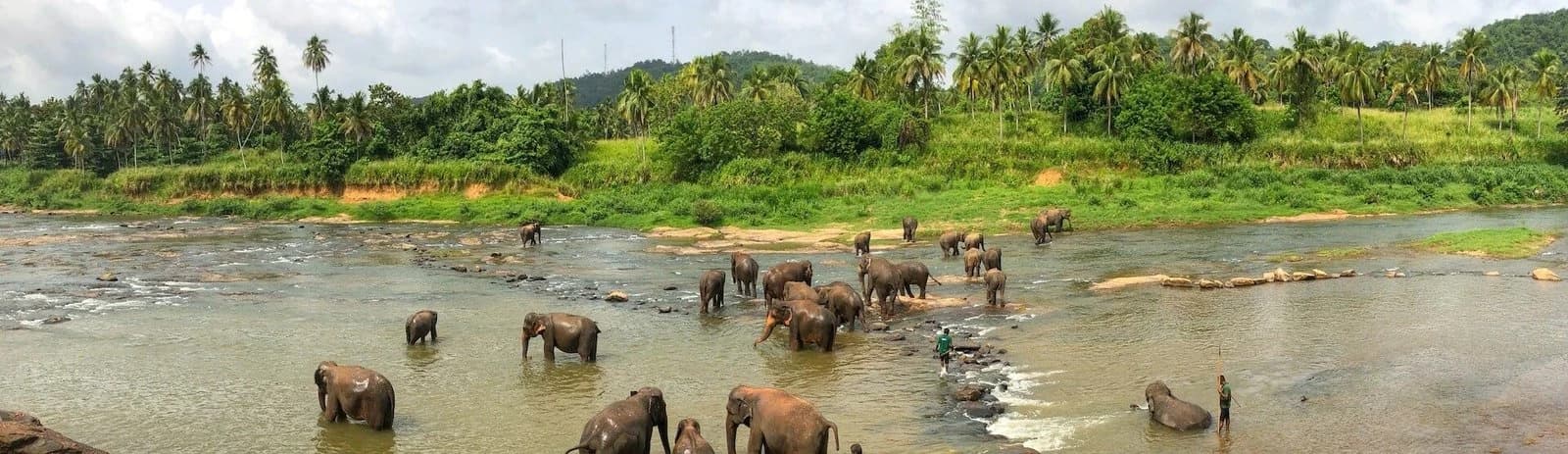
Browse more
Other style collections
Beach
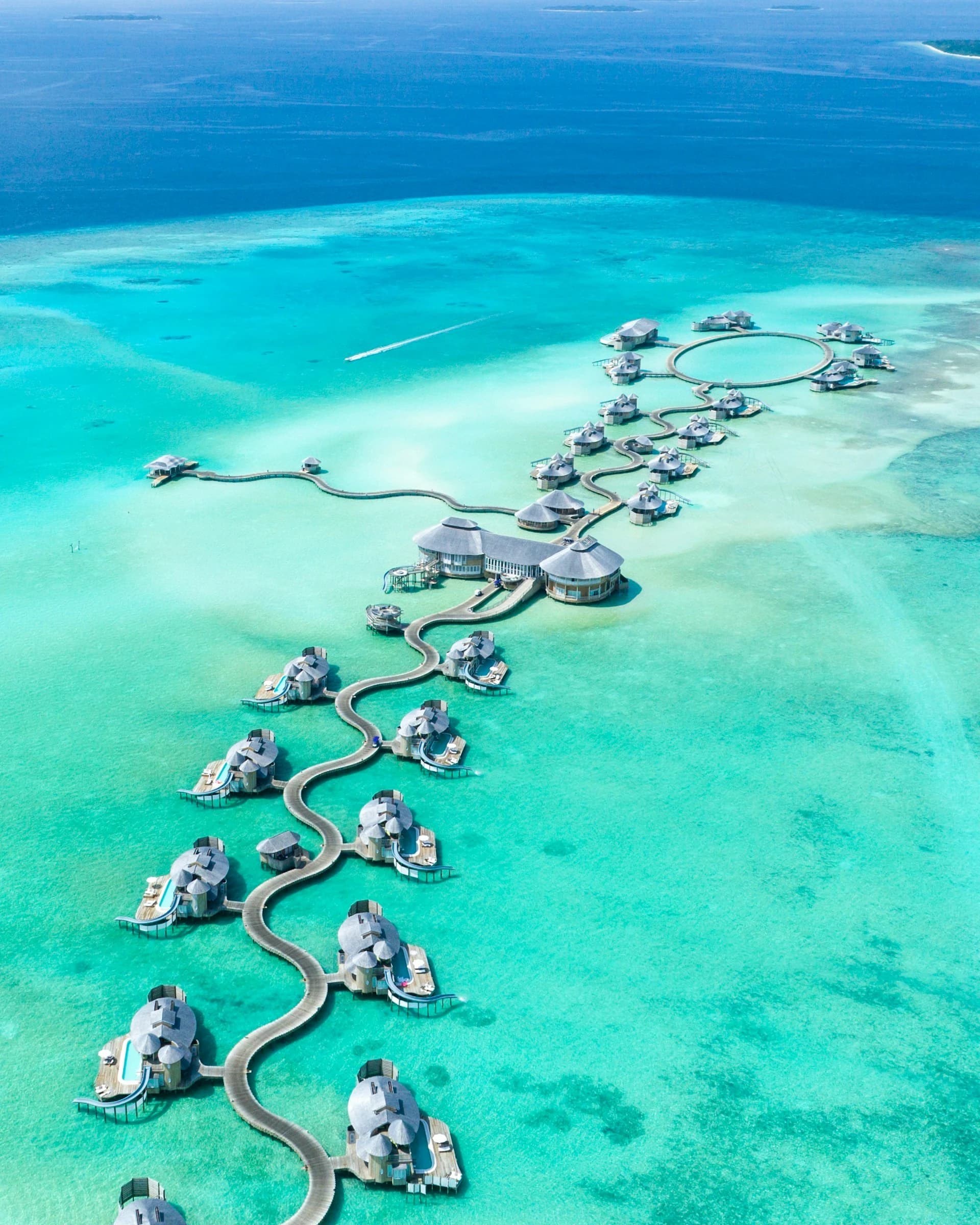
Nine private trips that end at the sea — Goa, Kerala, the Andamans, Sri Lanka, the Maldives
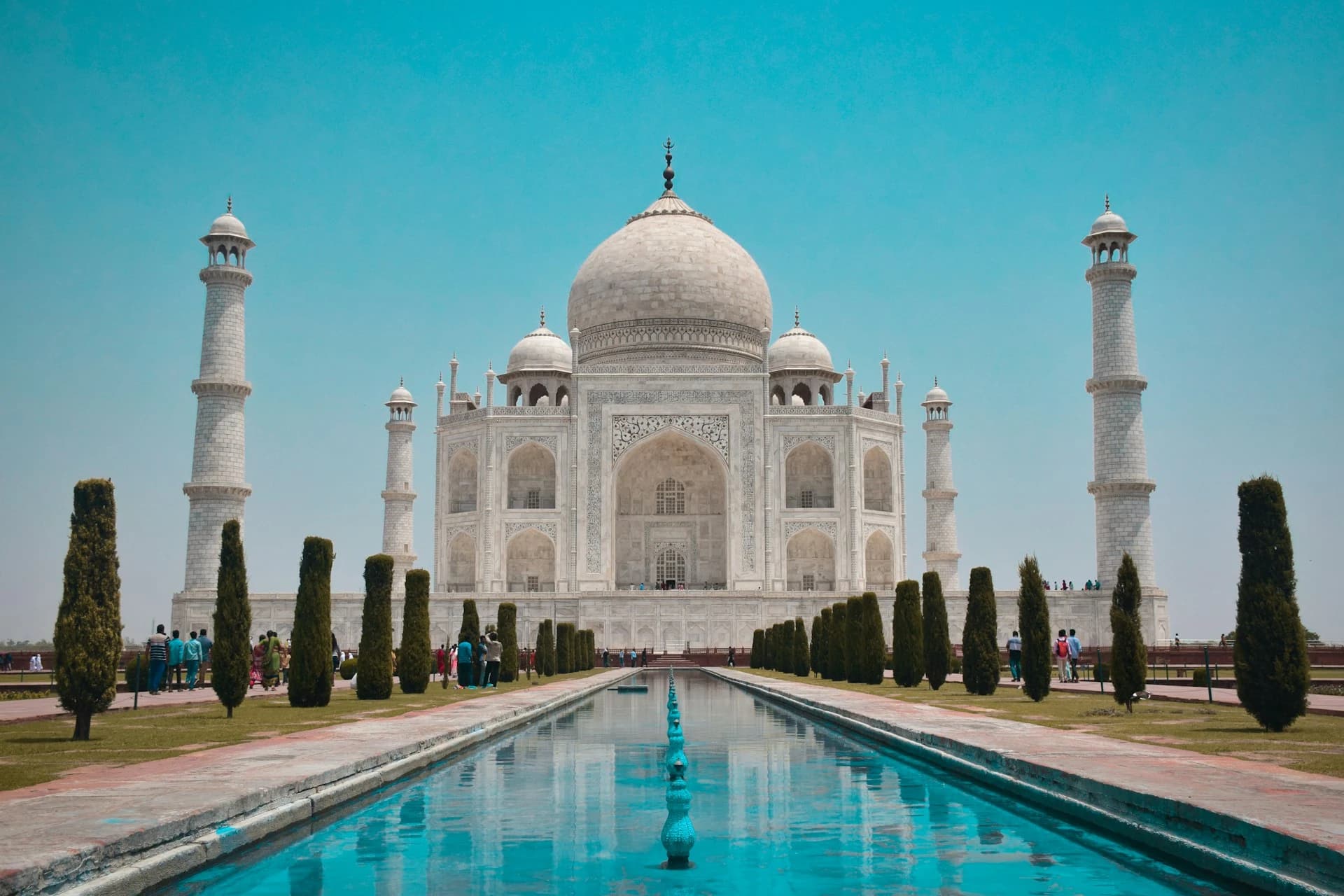
Cultural
Forts, temples and old royal cities on 27 private guided trips
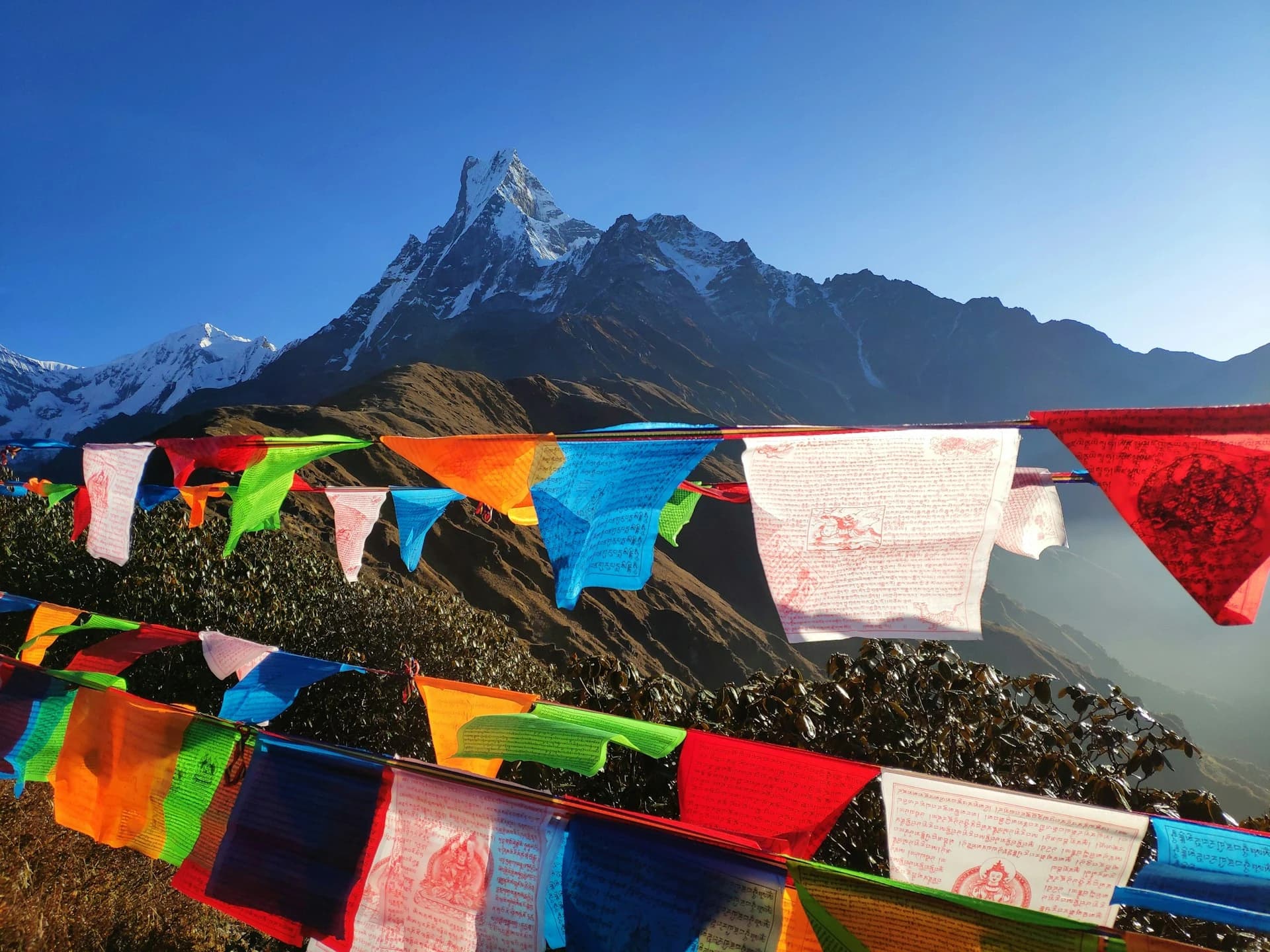
Mountains
Annapurna treks, Bhutan passes, Sri Lankan hills — 13 private tours
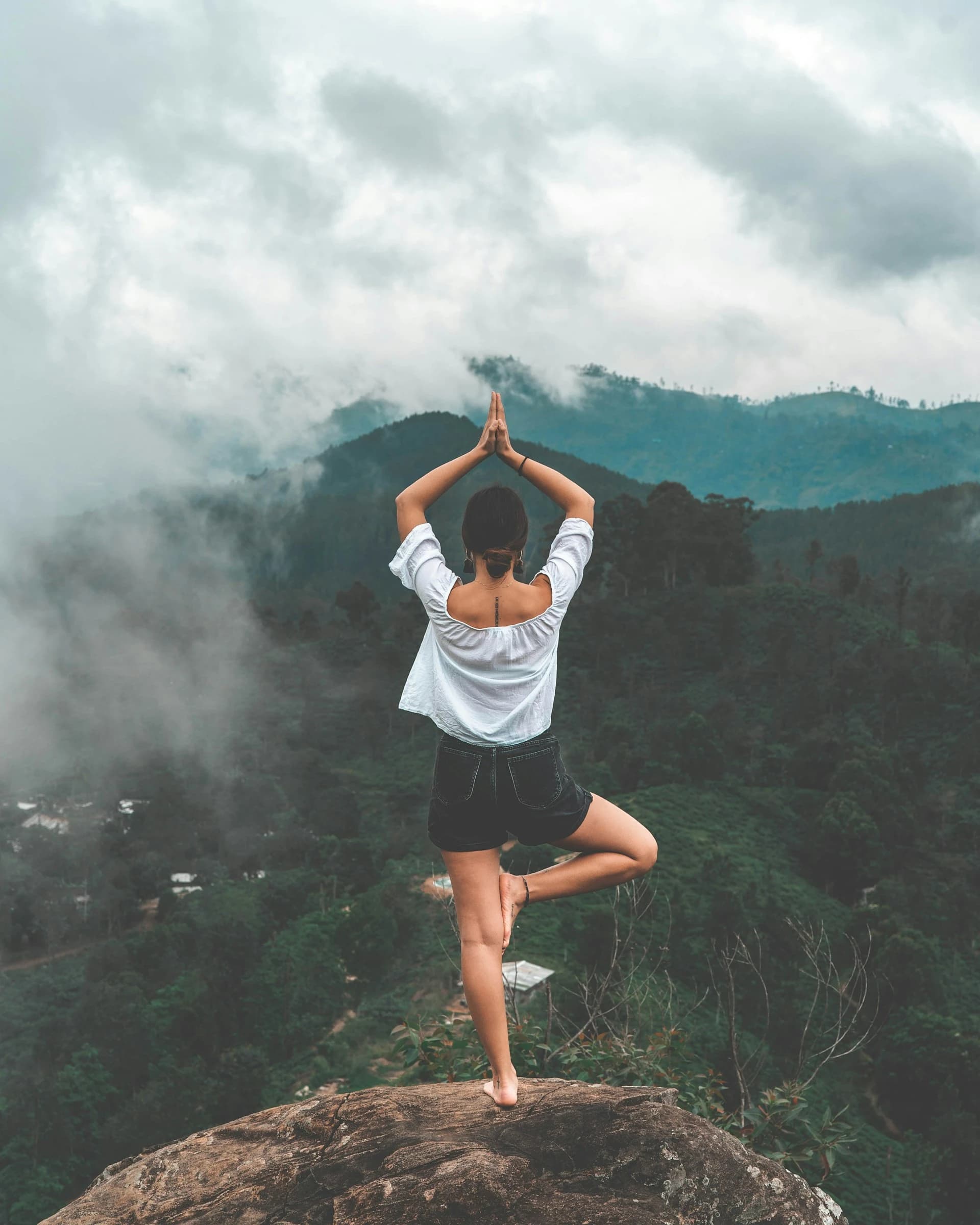
Spiritual
16 private trips built around Varanasi, Lumbini, Paro and Kandy
Ready to plan your trip?
Tell us roughly when, who's travelling and what kind of pace you like. We'll send back a draft itinerary within 1–2 days.
Plan your trip