
Tailor-made trips · Nepal
Travel in Kathmandu Valley
Tailor-made trips in Kathmandu Valley, designed by our team in Delhi and run on the ground by local guides. Kathmandu, Patan and Bhaktapur — three royal cities packed into one valley, each a UNESCO World Heritage Site. Every one of our six Nepal trips flies in and out of here, and each gives the valley two sightseeing days.
Why Kathmandu Valley
One of the regions we know best
We've spent years travelling across Kathmandu Valley in every season. The trips below are built around the routes that work — the quiet ones, the beautiful ones, the ones with great food at the end of the day.
If none of them quite fit, get in touch. We'll happily build you a private version, shaped around your interests, fitness and pace.
How we travel here
Three ways to experience Kathmandu Valley with us
Cultural & Heritage
Cultural & Heritage in Kathmandu Valley
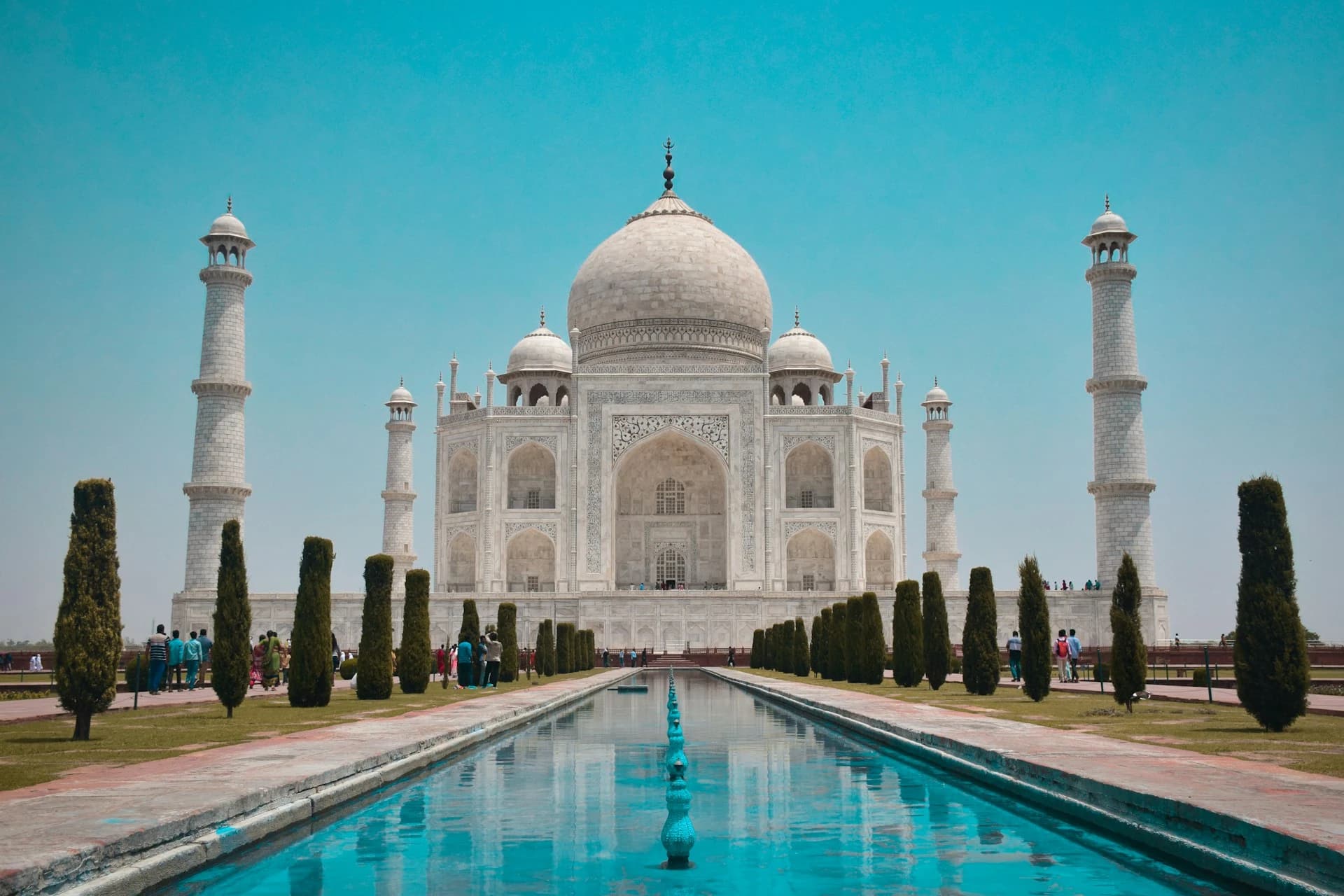
Forts, palaces, temples, festivals and old-quarter walks with local historians. The slow, layered way through the country.
- ▲UNESCO sites
- ▲Heritage hotel stays
- ▲Local guides
- ▲Year-round
Wildlife & Safari
Wildlife & Safari in Kathmandu Valley
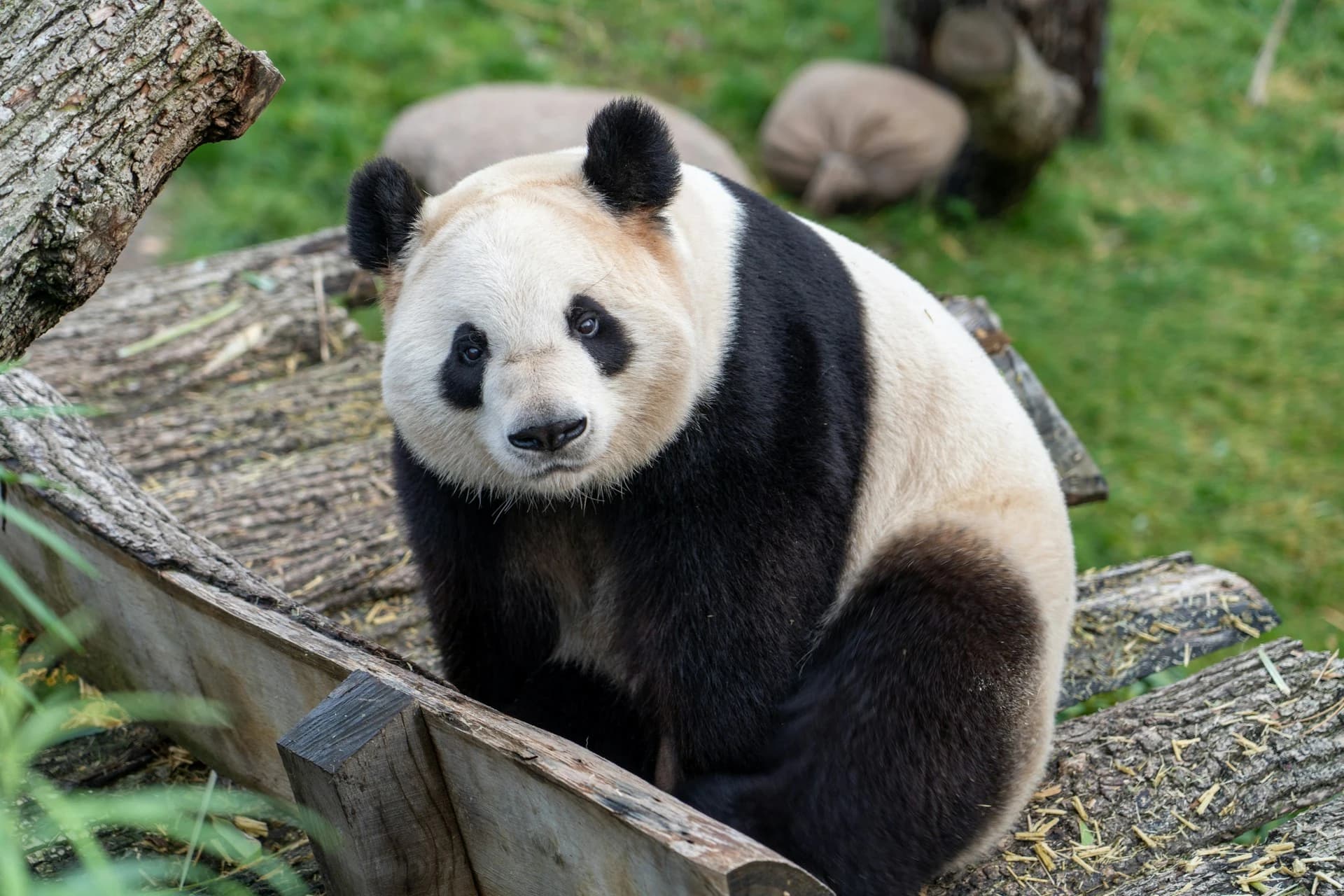
Safaris and jungle camps in the right reserves at the right time of year. Tigers, leopards, elephants, rhinos.
- ▲National park access
- ▲Naturalist-led safaris
- ▲Conservation lodges
- ▲Best: Oct–April

Mountains & Coast
Mountains & Coast in Kathmandu Valley
From Himalayan hill stations and short Bhutanese walks to a quiet finish on Sri Lanka's south coast or a Maldives atoll.
- ▲Hill stations
- ▲Day walks
- ▲Beach finishes
- ▲Maldives add-on
Travel guide
Introduction to Kathmandu Valley
Kathmandu is three cities, not one. The valley holds Kathmandu itself, Patan — also called Lalitpur, and the oldest of the three — and Bhaktapur. Our itineraries treat them as a single destination and work through them over two days.
The first day is the monuments. Kathmandu's Durbar Square holds the Hanuman Dhoka palace, the Taleju and Jagannath temples, the Kala Bhairava statue, and the Kasthamandap, said to have been built from the wood of a single tree; the Kumari Ghar, home of the Living Goddess, stands on the same square. Above the city, Swayambhunath — held to be 2,000 years old, and the oldest Buddhist stupa — looks out over the whole valley. The day then crosses to Patan for the Krishna Temple, the Golden Temple (Hiranya Varna Mahavihar), the Khumbeswar Temple, and the Mahaboudha, nicknamed the Temple of 1,000 Buddhas because every brick carries an engraved image of the Buddha.
The second day is religious practice rather than architecture. Boudhanath draws thousands of pilgrims a day — Tibetan monks in rust-coloured robes, prayer wheels turning, market stalls of yak butter, barley flour and ceremonial goods. Pashupatinath, dedicated to Shiva, stands on the Bagmati; only Hindus may enter, so the visit is made from the eastern bank, where worshippers perform centuries-old rituals of life, death and rebirth in plain view. The day closes in Bhaktapur, a museum of medieval art and architecture: pagodas and temples ringing the Fifty-Five Window Palace, and bazaars selling the pottery and weaving that are the town's main traditional trades. Four of the six trips run the valley exactly this way. The nine-day trip covers Kathmandu, Patan and Bhaktapur but not Boudhanath or Pashupatinath; the eleven-day trekking trip covers Kathmandu, Boudhanath and Bhaktapur but not Patan or Pashupatinath.
Two itineraries carry on into the hills east of the city. Changu Narayan at 1,540 m, considered the oldest Hindu temple in Nepal, starts an easy two-hour walk on unpaved paths to Telkot and on to Nagarkot at 2,175 m, facing the snow peaks; the next day's walk through the villages around Nagarkot brings Dorje Lhakpa and Shishapangma into view. One of the two goes on to Dhulikhel, an old pagoda town away from the capital, with a two-hour climb to the Kali Temple. Elsewhere the pattern bends in smaller ways: one itinerary spends a night at Pharping, at the Naydo Monastery, where the 5 a.m. puja in the prayer hall is open to guests who want it; another drives straight from the airport up to Nagarkot, stopping at Bhaktapur on the way, and takes a rickshaw into the Kathmandu bazaars the next day.
Kathmandu bookends every route. All six trips fly in and out of here rather than passing through the middle. The shortest, nine days, pairs the valley with Chitwan and Pokhara. Longer ones add Nagarkot, Dhulikhel or Bandipur, and four of the six put a multi-day trek above Pokhara in between before returning to Kathmandu for a final night. If the jungle is part of the plan, note that Chitwan runs no jeep safaris in July, August and September — the rainy months — so those dates change what the wider trip can deliver.
How many days do you need in the Kathmandu Valley?
Two. That is what all six of our Nepal itineraries allow. Four of them run the same pair of days: Kathmandu Durbar Square, Swayambhunath and Patan on the first, then Boudhanath, Pashupatinath and Bhaktapur on the second. The nine-day trip splits them — the city early in the trip, Bhaktapur and Nagarkot on the last full day. Two itineraries add further days east of the city at Changu Narayan, Nagarkot and Dhulikhel.
Can you go inside Pashupatinath?
Only if you are Hindu — the temple itself is closed to everyone else. The visit is made from the eastern bank of the Bagmati, where worshippers can be seen performing the centuries-old rituals of life, death and rebirth. Pashupatinath is on four of our six Nepal itineraries; the nine-day trip and the eleven-day trekking trip do not include it. On those four it falls on the same day as Boudhanath, which has no such restriction.
When is the best time to go?
Kathmandu itself rarely sets the date; the rest of the route does. Chitwan National Park runs no jeep safaris during the rainy season in July, August and September, so any trip pairing the valley with the jungle is planned around that. The mountain viewpoints in these itineraries — Nagarkot at 2,175 m, Sarangkot at about 1,592 m, Poon Hill at 3,210 m — depend on clear weather, and the day notes say so rather than promising a view. The trips are tailor-made, so tell us your dates and we build the route around them.
What is included, and what is not?
All six Nepal itineraries are tailor-made, private and guided. Included: hotel accommodation, breakfast, a bottle of water on arrival, an airport meet-and-greet with transfer to your hotel, and someone reachable 24 hours a day for the length of the trip. International flights are not included. Five of the six include a German-speaking guide — Majestic Himalayas does not, so check that tour's page if the language matters to you.
How does Kathmandu fit into a longer Nepal trip?
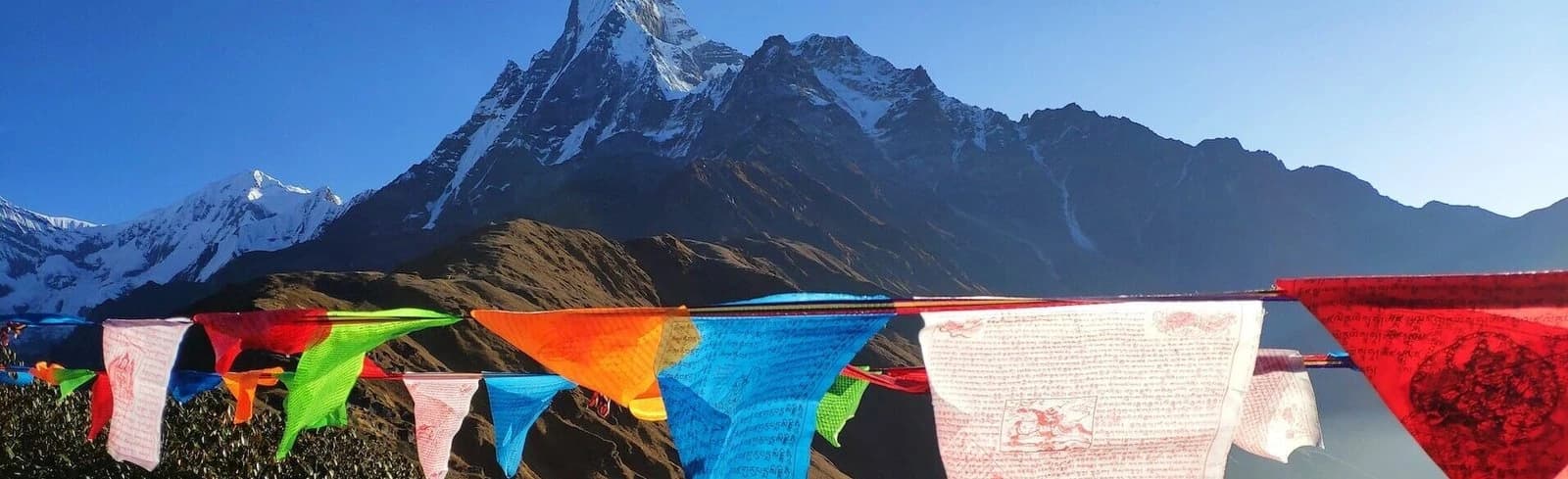
It bookends the route rather than sitting in the middle: every trip flies into Kathmandu and back out of it. Pokhara, for the lakes and the Annapurna foothills, is on all six; Chitwan, in the lowlands, is on four. Four itineraries also put a multi-day trek in between, all of them taking in Ghorepani at 2,850 m and sunrise on Poon Hill at 3,210 m, and one carrying on to Annapurna Base Camp at 4,130 m. Most trips return to Kathmandu for a final night with the evening free; the eleven-day trekking trip comes back from Chitwan and transfers straight to the airport.
Our journeys
Tailor-made trips in Kathmandu Valley
6 journeys built and led by our local guides — from gentle coastal weeks to high-mountain crossings.
Build your own trip →Meet your guides
Designed and led by local experts
We work in Kathmandu Valley year-round. Our team has spent years building relationships with the guides, drivers and small hoteliers we use here. When you book with us, you'll speak directly to the people who design your trip.
Meet the whole team →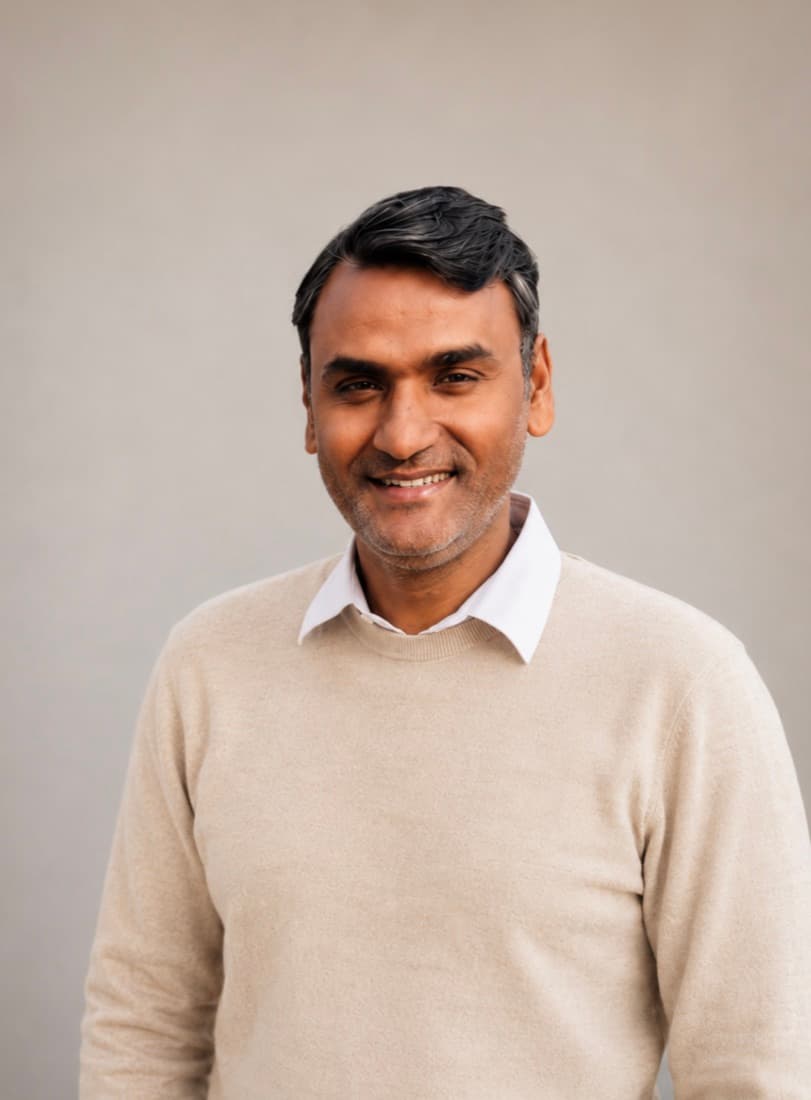
Anil
Co-founder · New Delhi
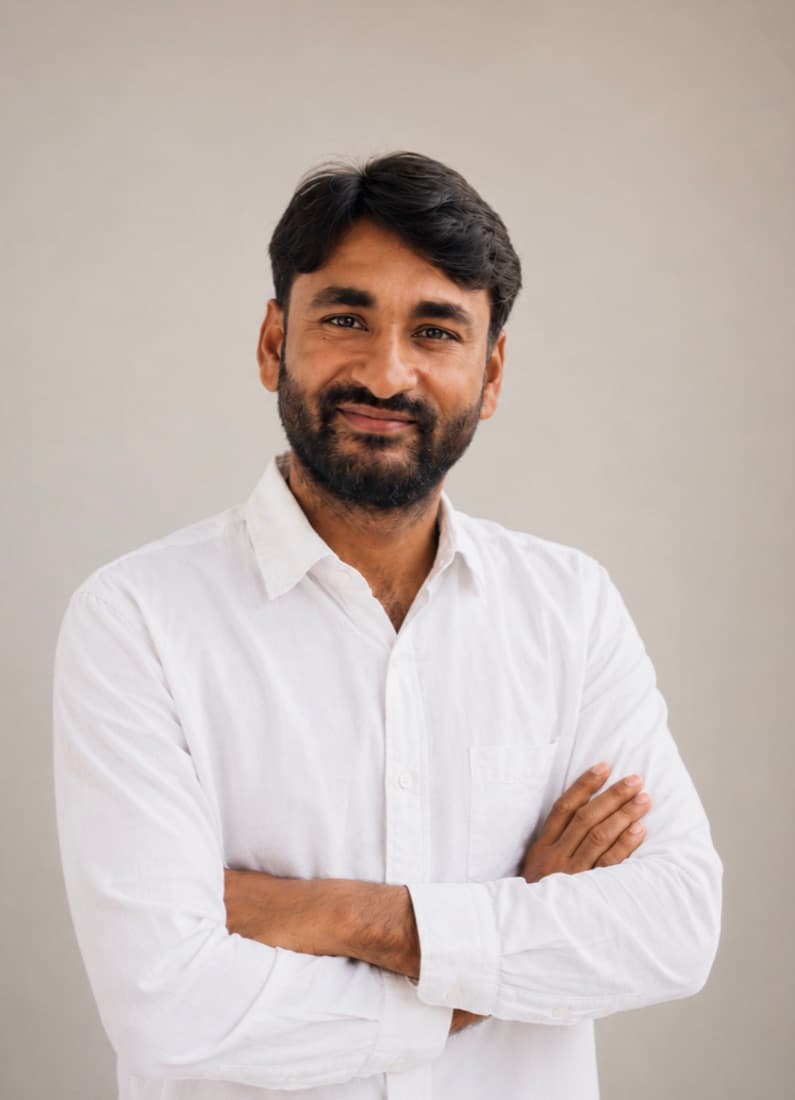
Neetesh
Co-founder · New Delhi
Our guides
Across South Asia
Ready to plan your trip to Kathmandu Valley?
Tell us roughly when, who's travelling and what kind of pace you like. We'll send back a draft itinerary within 1–2 days, no payment until you're happy with the plan.
Plan your trip