March is the month to use both coasts of Sri Lanka in one trip. Expect heat inland and strong wildlife viewing.
March is a very good month for Sri Lanka, and the only one where you can use both coasts on the same trip. The southwest is still dry, and the east coast around Trincomalee and Pasikuda is drying out. The price is heat. The cultural triangle reaches 33 to 34°C by mid-afternoon.
The short answer
- Both coasts work. The south and west are in their dry season. The east comes into its own through the month.
- It is hot inland. Plan Sigiriya, Dambulla and Polonnaruwa for early morning.
- Wildlife is strong. March is one of the best months for Yala.
- Watch the end of the month. Afternoon thunderstorms start to appear in late March, and New Year in mid-April shuts much of the country.
Which coast is dry in March?
Both, more or less. That makes March different from January and February, when the east coast is still too wet for beach days.
On the southwest coast, Galle, Unawatuna and Negombo are still dry and calm. The sea stays warm, around 28°C.
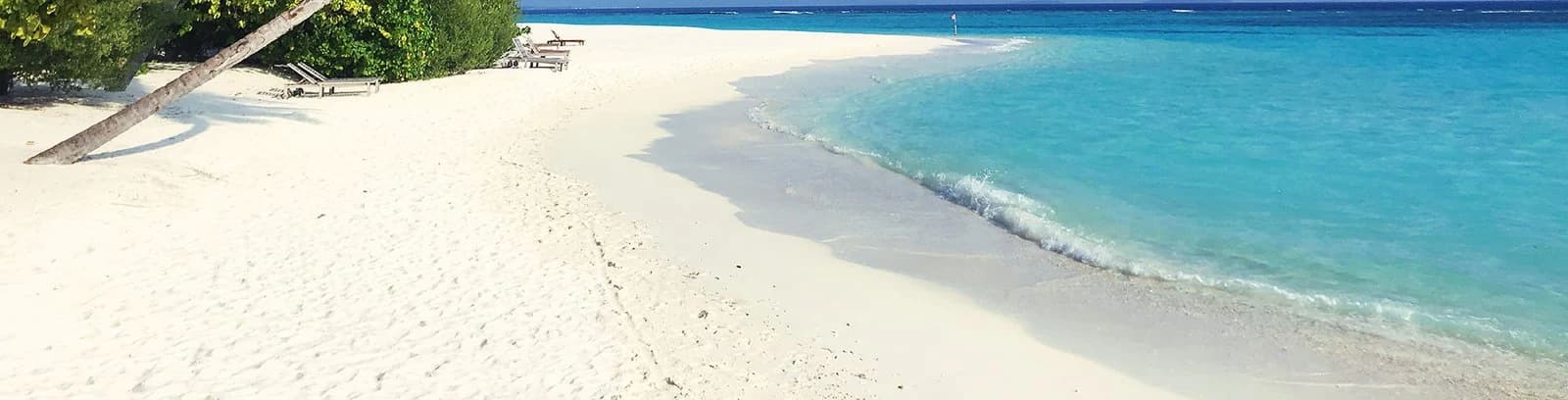
On the east coast, the northeast monsoon has passed. Pasikuda and Nilaveli get calmer seas and more sunshine as the month goes on. Early March can still be a little unsettled there. The second half of the month is the safer bet.
Late in March, short afternoon storms begin to build in many places. They tend to be heavy and brief, and the mornings usually stay clear. They are a sign that the April changeover is coming.
The heat, and how to handle it
The cultural triangle is the hot part of the island in March. The climb up Sigiriya is around 1,200 steps with almost no shade. Start at 7am and you are down before the worst of it. Leave it until noon and it becomes hard work.
The same goes for the ruins at Polonnaruwa and Anuradhapura, which are spread out across open ground. Do them early, rest at the hotel in the afternoon, and go back out at dusk.
The hill country is the escape. Kandy is warm but bearable. Nuwara Eliya sits at a comfortable 20°C or so by day, and Ella is a few degrees warmer. A route that puts the hills in the middle of the trip gives you a break from the heat.
What's on in March
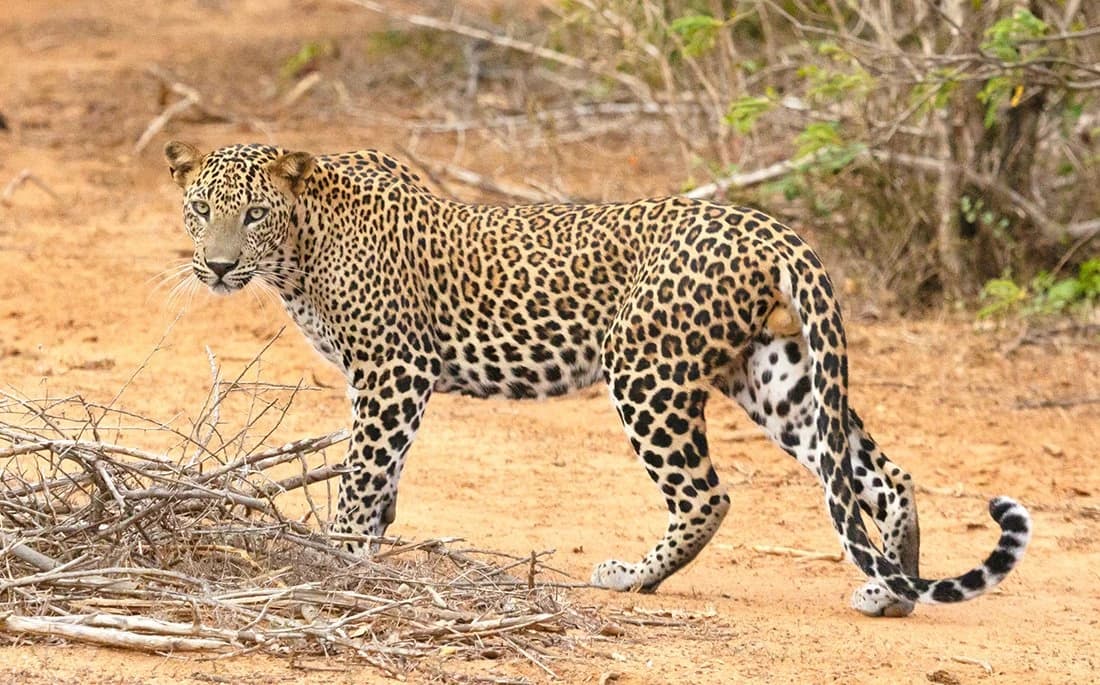
Yala is at its strongest. Waterholes have shrunk, the bush is thinner and animals gather where the water is. The best window for Yala runs from February to early July. March sits in the middle of it. Our guide to Sri Lanka's wildlife safaris explains how the parks compare.
Adam's Peak is still in season. The path stays lit and the tea stalls stay open until the May full moon.
Maha Shivaratri sometimes falls in early March. It is a major Hindu festival, with all-night prayers at Shiva temples.
Medin Poya, the March full moon, is a public holiday. Bars and liquor shops close for the day.
Whales. The Mirissa whale season on the south coast runs until about April. None of our tours stop at Mirissa or include a whale trip.
Coming up in April. Sinhala and Tamil New Year falls on 13 and 14 April. Shops close, transport fills up and hill-country hotels get busy with local families. If a late-March trip runs into mid-April, plan for a slower few days.
Which of our tours suit March best
March is the month for the two routes that use the east coast. Both suit March much better than January or February.
The 14-day route with Pasikuda and Yala, from EUR 1,220. It starts in Colombo, visits Dambulla and Sigiriya, then spends four days at Pasikuda on the east coast. After that come Kandy, tea country around Nuwara Eliya, a Yala jeep safari and Galle. In March, the east-coast beach is in good shape and Yala is near its best. The cultural triangle comes early in the trip, so expect hot days there. Four nights in the Maldives can be added at the end, at extra cost depending on the resort.
Sri Lanka's glory, 14 days, from EUR 1,050. It starts in Negombo and Galle, walks into the Sinharaja rainforest, does a shared jeep safari in Udawalawe, then heads to Ella and Kandy. The middle of the trip is four days at Nilaveli, near Trincomalee, with optional snorkelling at Pigeon Island at extra cost. It ends with Dambulla, Sigiriya and Polonnaruwa. Nilaveli is at its very best from May to September. March is the compromise month when Sinharaja is still walkable and the east coast is already pleasant.
Culture & nature, 14 days, from EUR 1,120, is another strong March pick. It combines Adam's Peak, Horton Plains, Ella and a Yala safari with two days in Sinharaja. February and March are its best months.
Still fine, with one caveat
- The wonderful world of Sri Lanka and Between culture and jungle both spend several days in the cultural triangle. They work in March, but you will feel the heat. Early starts are not optional.
- Forests, tea plantations & culture stays in the hills and the rainforest. Sinharaja is starting to get wetter again after early March, so bring rain gear for those two days.
Is March better than February?
It depends on what you want. February is cooler inland and drier across the board. March gives you the east coast and better wildlife viewing, in exchange for heat and some late-month storms. For the trade-offs month by month, see Sri Lanka weather, month by month.
If you want both coasts in one trip, March is your month. Look at the route with Pasikuda and Yala, or Sri Lanka's glory, and send us a request with your dates.