Planning
Sri Lanka in January: Weather, Where to Go and Which Coast Is Dry
22 November 2026 · 5 min read
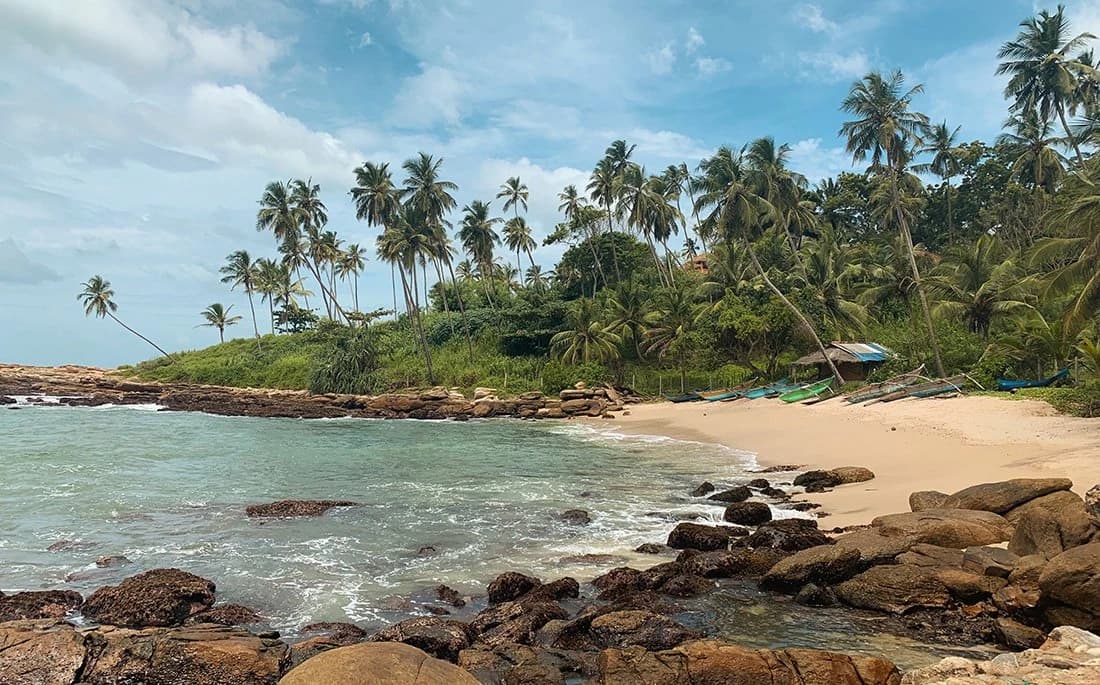
January is dry on the south and west coasts and in the hills, and wet in the east. Where to go, what's on and which routes fit.
Yes, January is one of the best months for Sri Lanka, as long as you stay on the right side of the island. The south and west coasts are dry, the hill country is clear, and the cultural triangle is drying out. The east coast is the one place to skip. It is still under the northeast monsoon.
The short answer
- Go to: Galle and the south coast, Colombo and Negombo, Kandy, Ella, Nuwara Eliya and Horton Plains.
- Skip: the east coast. Trincomalee, Nilaveli and Pasikuda are wet until about March.
- Pack: beachwear and a warm fleece. The coast sits around 31°C. Horton Plains at dawn can be close to freezing.
- Book early: January is high season. Good hotels in Galle and Ella fill first.
Which coast is dry in January?
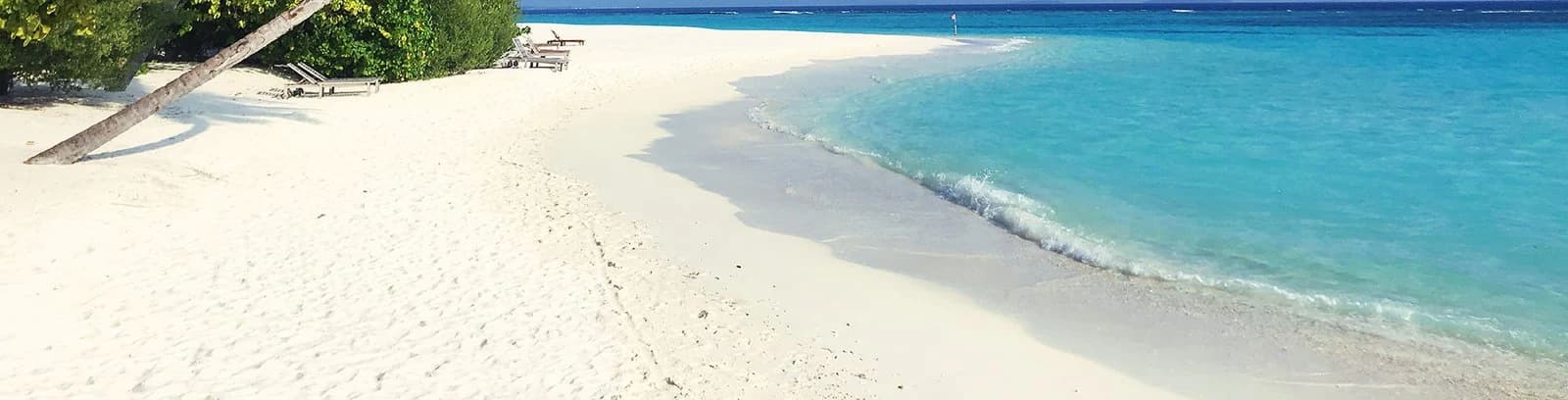
The southwest. Colombo takes around 75 mm of rain for the whole month, and much of that falls in short showers. Galle and Unawatuna have calm seas and long sunny days. This is the coast you want for beach time.
The northeast is the opposite. The Maha monsoon runs roughly December to February and brings most of its rain to Trincomalee, Nilaveli and Pasikuda. You can still drive through, but beach days there are a gamble in January.
The cultural triangle sits in between. Sigiriya, Dambulla and Polonnaruwa can catch the tail of the northeast rain early in the month. By late January they are usually dry and pleasant, at around 30°C. That is cooler than the heat that builds there in March and April, which makes the Sigiriya climb much easier.
The hill country is cold, and clear
January brings the clearest mornings of the year in the hills, along with February and March. That matters most at Horton Plains, where cloud usually fills the view at World's End by mid-morning. Start the walk at first light and you have the best odds of seeing the 800-metre drop.
It is cold up there. Nuwara Eliya, at about 1,900 metres, drops into single digits before dawn, and the highest tea estates can get ground frost. Ella is milder, but still cool at night. Most visitors pack for the beach and forget this part. Bring a fleece and a light rain jacket.
What's on in January
Adam's Peak is in season. The pilgrimage season opens on the December full moon, so in January the path is lit through the night and the tea stalls are open. Climbers start in the small hours to reach the 2,243-metre summit for sunrise. January weekends and holidays are busy on the steps.
Thai Pongal, the Tamil harvest festival, falls in mid-January. It is a public holiday, and you will see it most in Tamil areas and at Hindu temples.
Duruthu Poya is the January full moon. It is marked by a large procession at the Kelaniya temple just outside Colombo. Like every poya day, it is a public holiday, and bars and liquor shops close.
Whale season is under way on the south coast. Boats from Mirissa run from about December to April, looking for blue whales and other species. None of our tours stop at Mirissa or include a whale trip, so you would need to add this yourself.
Yala is open and decent in January. It gets better from February, as the waterholes shrink and animals gather around them. More on that in our guide to Sri Lanka's wildlife safaris.
Which of our tours suit January best
Every Sri Lanka trip we sell runs 13 or 14 days and passes through Kandy. What decides the fit in January is where each one spends its beach and park days.
Best fits
The wonderful world of Sri Lanka, 13 days, from EUR 750. It starts on the south coast with Galle Fort and a night at Unawatuna. That is exactly the right beach for January. It then heads up through Ella, Horton Plains and Kandy. The cultural triangle comes in the second week, with Dambulla, Polonnaruwa, Sigiriya and Anuradhapura. By then you are later in the month, when the triangle is usually dry. It finishes at Negombo on the west coast.
Forests, tea plantations & culture, 14 days, from EUR 1,140. This route stays in the hills and the southwest: Kandy, tea country, Horton Plains, Ella, then the night climb of Adam's Peak and two days in the Sinharaja rainforest. It skips the cultural triangle entirely. In January, the Adam's Peak climb is in season, and Sinharaja is in one of its drier spells. This is the strongest January choice if you care more about walking than ruins.
Culture & nature, 14 days, from EUR 1,120, works too. It also climbs Adam's Peak and hikes Horton Plains, then adds a Yala jeep safari and Sinharaja. Its optional beach nights are on the southwest coast, which is the dry side now.
Choose a different month for these
Two routes are built around the east coast, so January is the wrong month for them.
- Sri Lanka's glory spends four days at Nilaveli, near Trincomalee. That coast is wet in January.
- The 14-day route with Pasikuda and Yala spends four days at Pasikuda, also on the east coast. Wait until March or April for it.
Between culture and jungle sits in the middle. It opens in the cultural triangle and later spends two days in Sinharaja. Early January can still bring showers to the triangle, so late January or February suits it better.
How January compares
January and February are close. February is a touch drier across the island, and Yala is better. January has cooler days in the triangle and colder nights in the hills. If you cannot travel in January, read our guide to Sri Lanka in February. For the full year, see Sri Lanka weather, month by month.
If January is your month, start with The wonderful world of Sri Lanka or Forests, tea plantations & culture. Send us a request with your dates, and we will tell you which route fits the weather you will get.