Planning
Best Time to Visit North India: The Plains and the Himalayan Foothills
22 November 2026 · 4 min read
October to March is the season for Delhi, Agra, Rajasthan and Varanasi. The Himalayan foothills follow their own calendar. Here is how to fit both.
The best time to visit North India is October to March. That is the season for the plains: Delhi, Agra, Jaipur, Rajasthan and Varanasi. The Himalayan foothills follow a different calendar. Darjeeling is best from October to early December and again from March to May. So if you want both, October, November and March are the months that suit them together.
The short answer
- Plains (Delhi, Agra, Rajasthan, Varanasi): October to March. November and February are the easiest months.
- Darjeeling and Kalimpong: October to early December, and March to May.
- Rishikesh and Haridwar: October to March. Cool nights in winter, hot from April.
- April to June: too hot for the plains, good for the hills.
- July to September: monsoon. Wet hills, humid plains, tiger parks closed.
The plains: October to March
This is where most North India trips spend most of their time, and the rules are simple.
October is when the heat breaks. Delhi drops to about 32°C by day and the air clears. November is close to perfect: about 27°C by day in Delhi and 12°C at night. February is just as good, with Rajasthan at 26 to 28°C.
December and January are cooler. Days in Delhi are around 22°C, but nights fall to about 7°C, and lower in the desert. From the third week of December, dense morning fog often settles over the plain around Delhi and Agra. It can delay domestic flights and trains, so routes with an internal flight need some slack at that time of year.
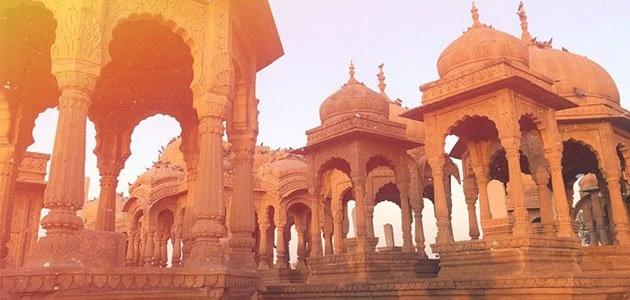
From April, the plains get very hot. Jaipur reaches 38 to 41°C in April, and Rajasthan hits 42 to 45°C in May. Our guide to the best time to visit Rajasthan covers the state month by month.
Varanasi
Varanasi follows the same pattern. October to March is the season. The evening Aarti ceremony on the ghats runs every night of the year. The sunrise boat ride depends on the river, though. On the coldest winter mornings, fog can flatten the view. In and just after the monsoon, a high Ganges can stop the boats altogether. Our Golden Triangle & Spirituality route spends two days there after Delhi, Jaipur and Agra.
The Himalayan foothills
The hills have their own seasons, and they do not line up neatly with the plains.
Darjeeling and Kalimpong
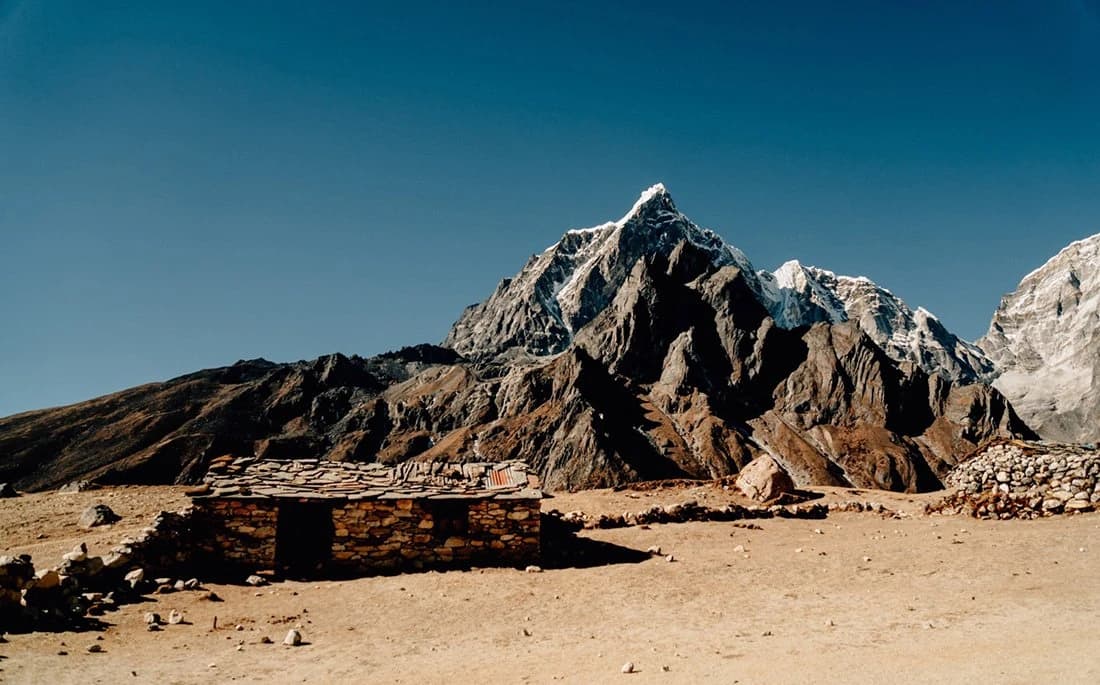
Darjeeling sits at 2,134 metres. From October to early December the air is clear and the views of Kanchenjunga are at their most reliable. March to May is the second season, with mild days of around 15 to 20°C in May while the plains bake. Winter, from mid-December to February, is cold, with near-freezing nights. From mid-June the monsoon brings cloud and rain, and the mountain view becomes a lottery.
Our 12-day Colourful Rajasthan & Himalayas pairs both worlds. It covers Delhi, Shekhawati, Jaipur and Agra, then flies from Delhi to Bagdogra for Kalimpong, Darjeeling and a pre-dawn drive to Tiger Hill for sunrise over Kanchenjunga. For this route, October, November and March give you comfortable weather in both halves. May works well in Darjeeling but means a hot first week in Rajasthan.
Rishikesh and Haridwar
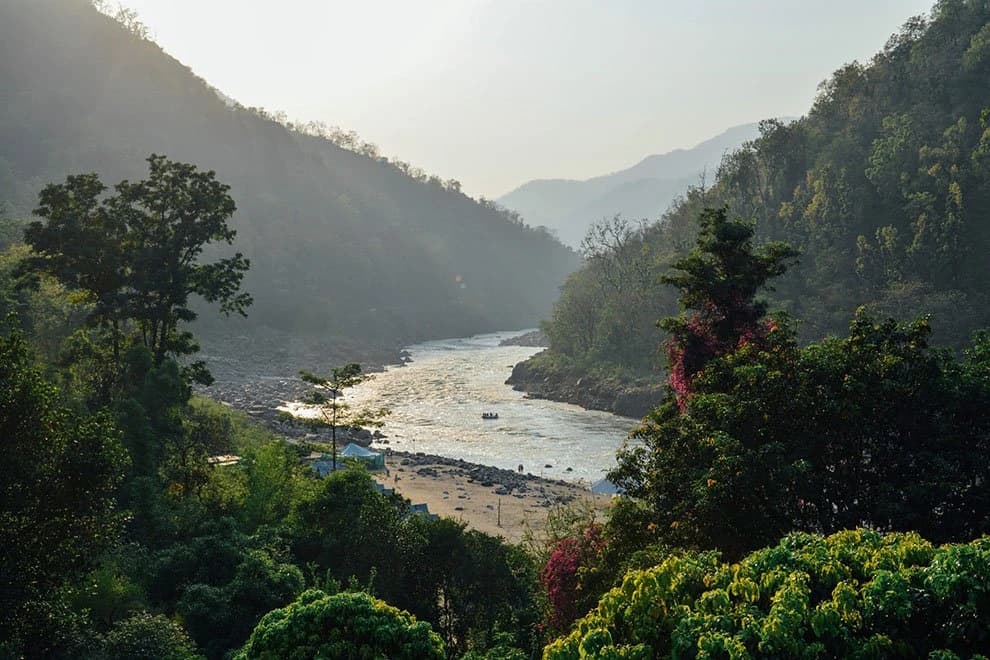
Rishikesh and Haridwar sit where the Ganges leaves the mountains. They are much lower than Darjeeling, so they behave more like the plains. October to March is comfortable, with cool nights in December and January. From April it gets hot, and July and August bring heavy monsoon rain and a fast, swollen river.
Our 21-day North India landscapes and culture route ends here. It starts in Ahmedabad, crosses Rajasthan from Udaipur to Jaisalmer and Bikaner, then goes through Jaipur and Agra to Delhi. From there a train takes you to Haridwar and Rishikesh for ashrams, temples and the evening Aarti on the Ganges. October to March suits the whole route.
The high Himalaya
Ladakh and the high mountain valleys work the other way round, with a season from roughly June to September. None of our tours go there. If big mountains are the main goal, look at Nepal instead. Our guide to the best time to visit Nepal explains its seasons.
The monsoon, July to September
The monsoon reaches the north in late June or early July. The plains turn humid and heavy, with sudden downpours. The foothills get the most rain, and hill roads can be blocked by landslides. The core zones at Ranthambore and Sariska close from July to the end of September. If you have to travel in these months, the south is the better choice. Our India month by month guide shows what works where.
For most people, a first trip to North India should fall between October and March, with November or February as the safest bets. Add the hills in October, November or March and you get both. Send us a request with your dates and we will suggest the route that fits them.