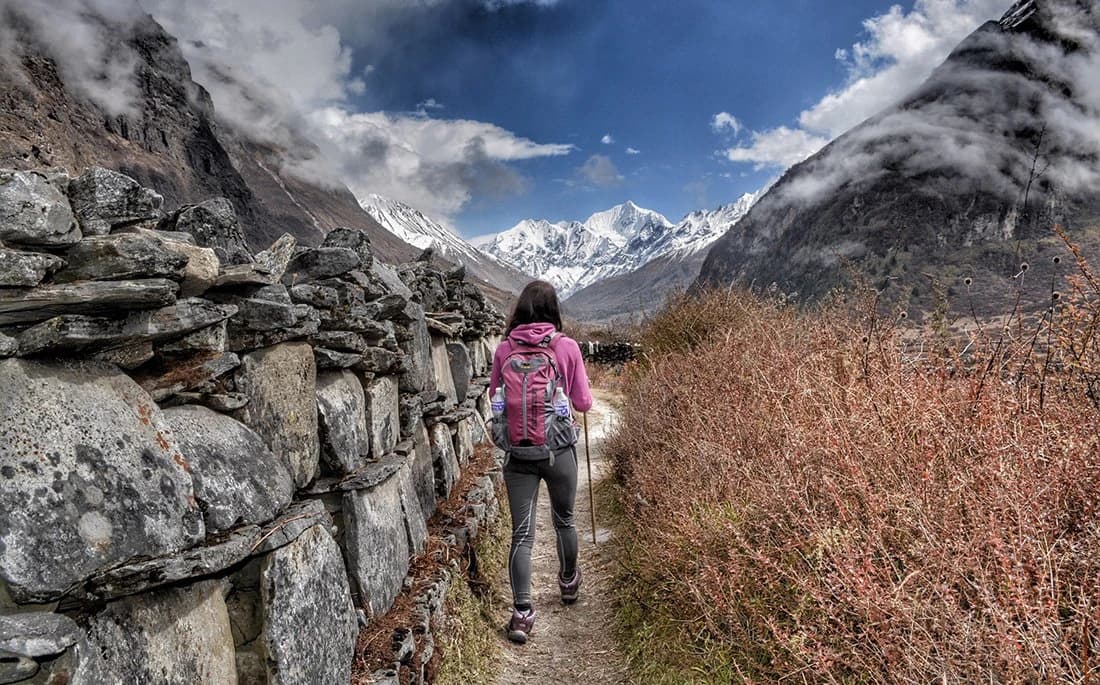
Nepal is safe for most visitors. The real risks are practical: altitude, mountain roads, monsoon weather and earthquakes. Here is how to handle each.
Yes, Nepal is a safe country for most travellers. Violent crime against visitors is rare, and people are friendly and used to tourists. The real risks are practical ones: altitude on a trek, long drives on mountain roads, the monsoon, and the fact that Nepal sits in an earthquake zone. Plan for those four and you have dealt with most of what can go wrong.
The short answer
- Cities and towns: Kathmandu, Patan, Bhaktapur and Pokhara are safe to walk around. Watch your bag in crowds, as you would in any busy city.
- Trekking: safe on the popular Annapurna trails if you go at a sensible pace and respect the altitude.
- Roads: the biggest everyday risk. Mountain roads are slow, narrow and can close after heavy rain.
- Season: October to November and March to April are the safest windows for both trails and roads.
- Earthquakes: a real but rare risk. Know what to do, then get on with your trip.
Trekking safety
Most trekking problems come from going too fast or walking alone. On the main Annapurna routes you walk between villages with lodges, so you are rarely far from people. That helps, but it does not replace common sense.
A few rules that matter:
- Do not trek alone. Walk with a guide or at least a companion.
- Start early. Weather in the hills tends to close in during the afternoon.
- Carry layers. A sunny morning at 2,000 m can turn into a freezing evening at 2,850 m.
- Drink treated or bottled water, and wash or sanitise your hands before eating.
- Take travel insurance that covers trekking at the altitude you plan to reach, including rescue.
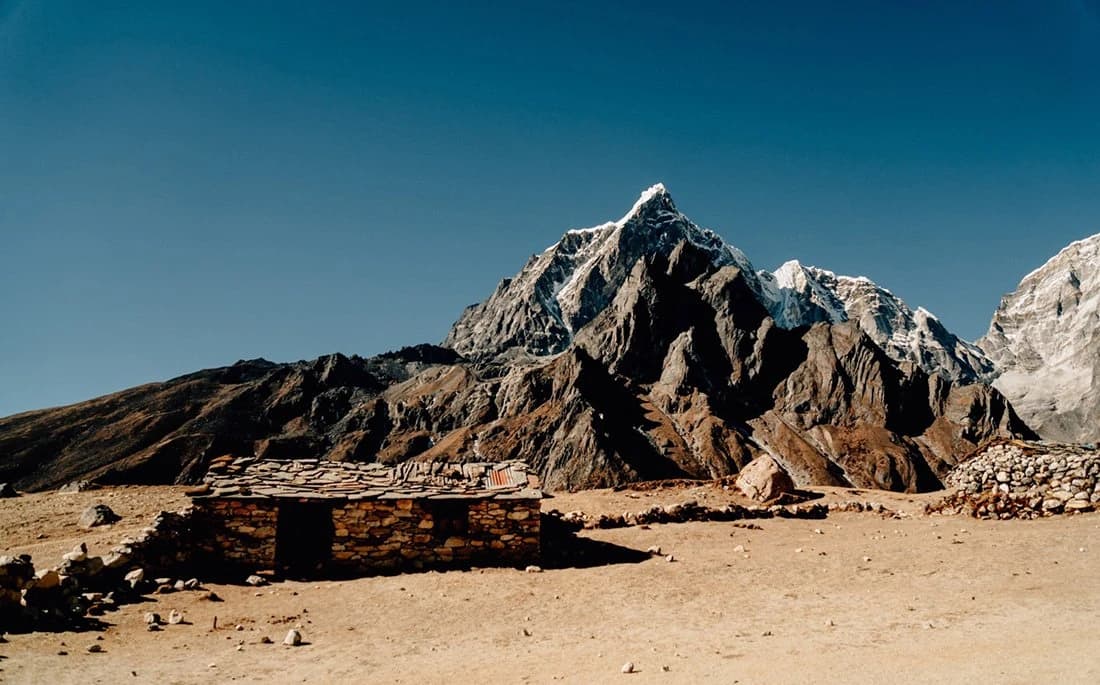
All the multi-day treks we sell are in the Annapurna region above Pokhara. Four of our six Nepal tours include one. Three top out at Poon Hill, 3,210 m, at sunrise. Our longest route, Majestic Himalayas, continues to Annapurna Base Camp at 4,130 m. Its day notes warn that one stretch below Deurali is a rough track after winter landslides and needs care.
Altitude
Altitude sickness can affect anyone, fit or not. It usually shows up above about 2,500 m, as a headache, nausea, poor sleep or loss of appetite. The fix is simple: climb slowly, drink enough, and if symptoms get worse, go down. Never keep climbing with a worsening headache.
The good news is that a Poon Hill trek stays fairly low. You sleep at around 2,850 m at Ghorepani and only climb to 3,210 m for the sunrise. Annapurna Base Camp is a different level, and that route builds in a short acclimatisation stage before the final climb. If you have heart or lung conditions, talk to your doctor before booking any trek.
If you want no altitude at all, The world of Nepal has no trekking. Its highest point is Nagarkot at 2,175 m.
Roads and getting around
Road travel is where most visitors face real risk in Nepal. Roads are narrow and winding, driving can be aggressive, and buses are often overloaded. The drive between Kathmandu and Pokhara is about 200 km and takes six to eight hours. During the monsoon, landslides can block sections of it for hours or longer.
What helps:
- Travel with a private driver rather than on local buses.
- Avoid driving after dark on mountain roads.
- Build slack into your plans in the rainy months, so a blocked road does not wreck your schedule.
Our itineraries cover the Kathmandu to Pokhara stretch by road. Three of them break the drive with a night in Bandipur, which makes each day shorter.
Earthquakes
Nepal sits where two tectonic plates meet, so earthquakes happen. The big one in 2015 damaged temples and homes across the Kathmandu Valley, and you will still see scaffolding in places. Large quakes are rare, and you cannot predict them, so the sensible approach is to be prepared rather than worried.
When you check in, note the exits. If the ground shakes, drop, take cover under something sturdy, and hold on until it stops. Outdoors, move away from buildings and walls. Keep your phone charged and tell someone your plans each day.
Season and weather
The time of year changes the risk more than anything else.
- October and November: dry trails, clear skies and the best conditions for walking and driving. Also the busiest season.
- March and April: good, with milder nights on the trail. Views get hazier as April goes on.
- June to September: the monsoon. Expect landslides on roads, slippery trails and leeches in the forest. No jeep safaris run in Chitwan in July, August or September.
- December to February: dry and clear but cold. Snow can close the higher trails, and the Annapurna Base Camp route carries snow and avalanche risk in January and February.
Our best time to visit Nepal guide covers each month in detail.
Health, food and everyday safety
Most stomach trouble comes from water and raw food. Drink bottled or treated water, choose food that is hot and freshly cooked, and peel fruit yourself. Kathmandu's air can be dusty and polluted in the dry months, so a mask helps in traffic.
Crime against tourists is mostly petty: pickpocketing in busy squares and the odd scam. Keep valuables close and use hotel safes. Protests and strikes happen from time to time, mainly in Kathmandu. Stay away from crowds when they do, and check your government's travel advice before you go.
Women and solo travellers
Many women travel in Nepal alone and feel at ease. Dress modestly, especially at temples, and take the usual care at night. On a trek, walking with a guide or in a group is the safer choice for everyone.
How to keep it simple
The safest Nepal trip is a well-paced one: enough nights in each place, road days broken up, and treks timed for the dry months. All six of our Nepal tours are private, so you set the dates around the season. Read our Nepal itinerary guide to compare the routes, then send us a request with the month you have in mind.