
Pokhara, Nepal
Best Time to Visit Pokhara and the Annapurna Foothills
The best time to visit Pokhara is October and November. The air is clear, the trails are dry and the Annapurna peaks show up most mornings. March and April are the second choice, with rhododendrons in flower and more haze. June to September is the monsoon, when the mountains hide for days at a time.
The short answer
October and November: the clearest views of the year and dry walking. Our first pick.
December to February: mild days in town, cold nights and often very clear skies. The higher trails get snow.
March and April: warmer nights on the trail and forests in bloom, but the views fade by mid-morning.
May: hot in town and hazy up high. Fine for the lake, weak for panoramas.
June to September: monsoon. Pokhara is one of the wettest towns in Nepal, and cloud sits on the ridges.
Why the view decides everything here
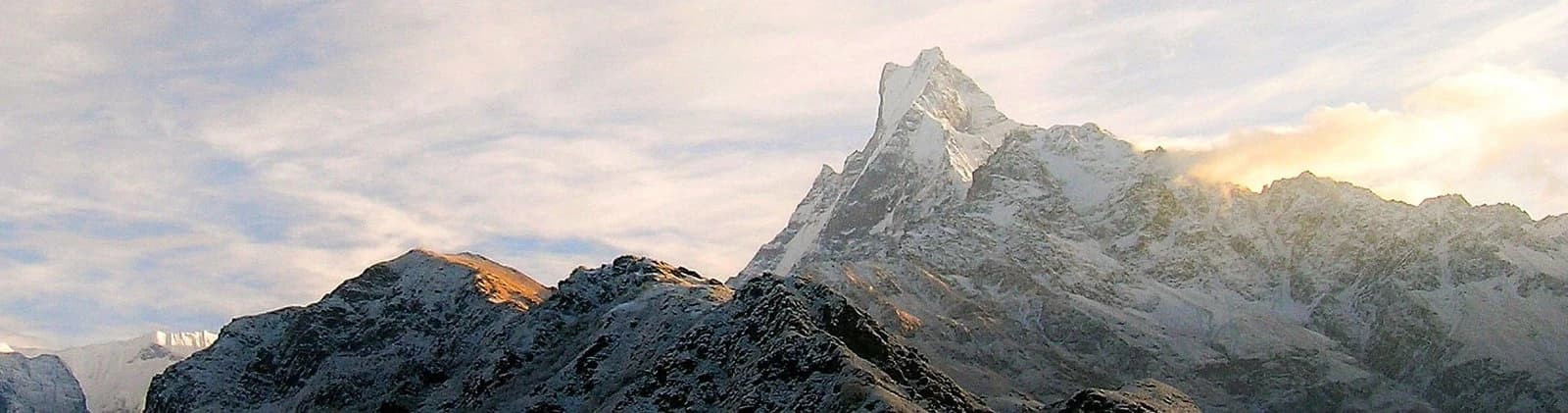
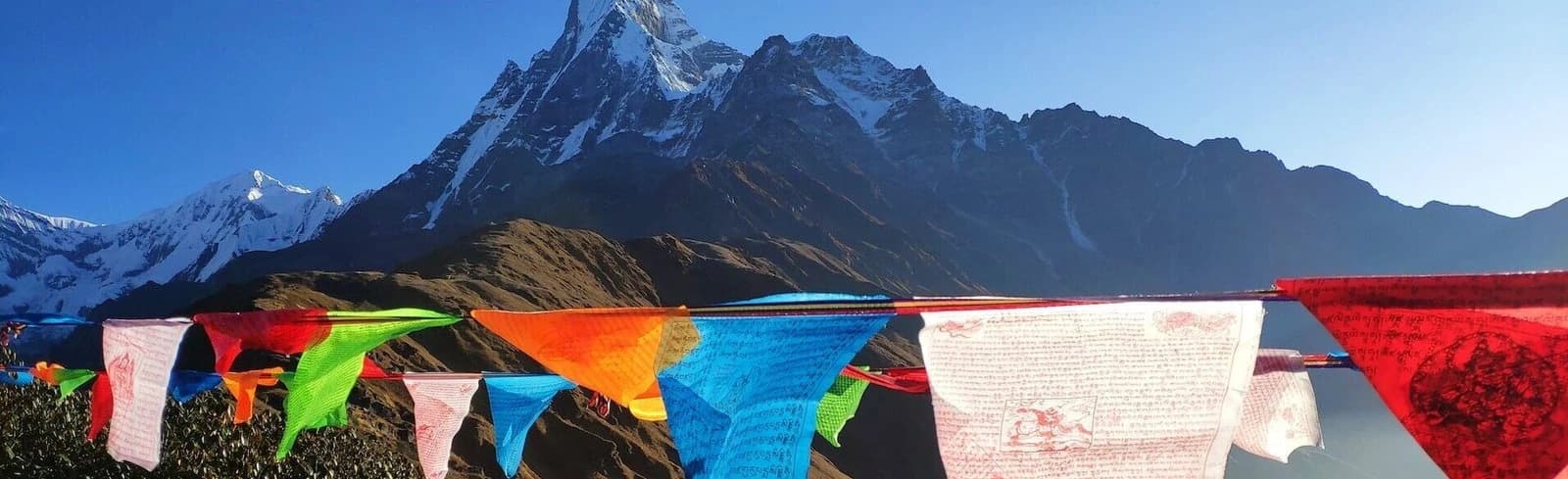
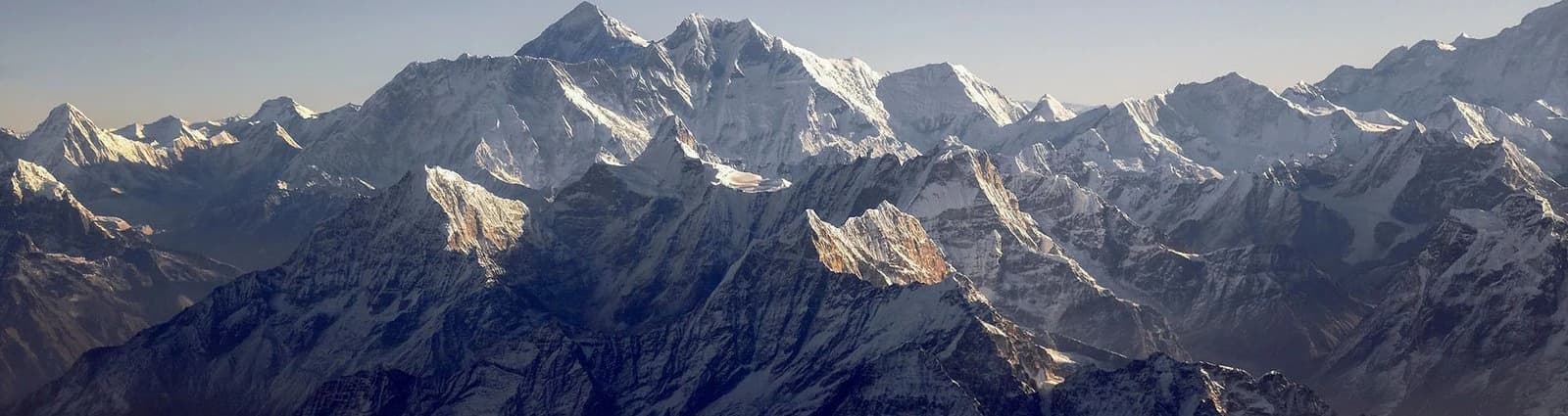
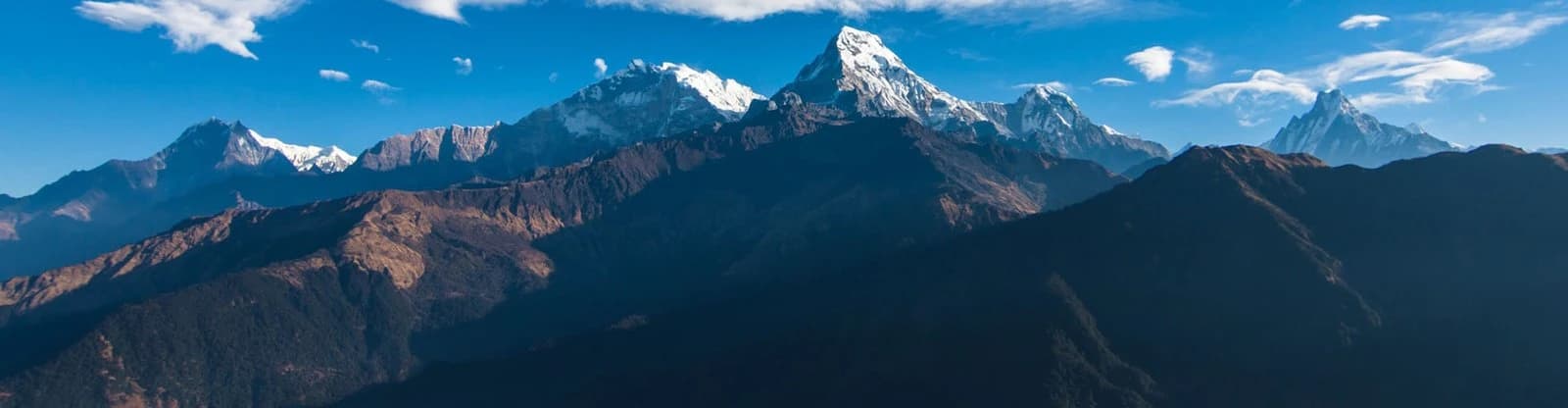
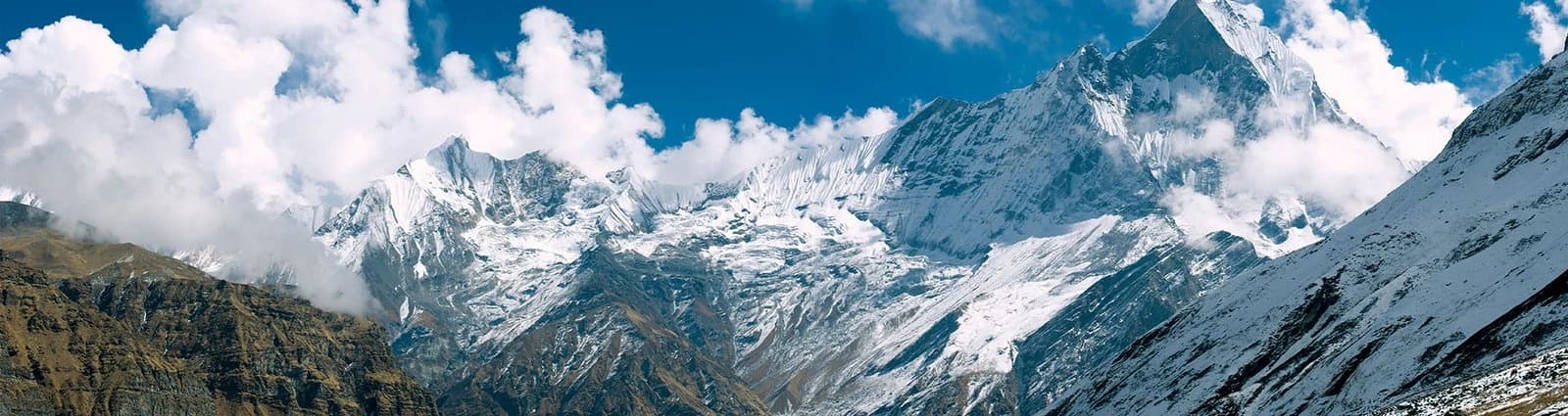
Pokhara sits at about 800 metres, much lower than the peaks it faces. Dhaulagiri, Annapurna and the fishtail summit of Machapuchare rise straight up behind Phewa Lake. When the sky is clear, that wall of ice is the whole reason to come. When it is not, Pokhara is a pleasant lake town with no mountains.
So the question is less about temperature and more about visibility. Sarangkot, Poon Hill and the Shanti Stupa are all viewpoints. They are worth the early start only in the months when the peaks are likely to be out.
October and November: the main season
The monsoon usually ends in late September or early October. The rain has washed the dust out of the air, and the long views come back. Days in Pokhara run around 27 degrees in October and cool through November.
On the trail it is colder than the town suggests. Ghorepani at 2,850 metres is close to freezing at night by November, and the pre-dawn walk up Poon Hill at 3,210 metres is below it. Lodges heat the dining room, not the bedrooms.
This is also the busiest time on the Annapurna trails. Dashain and Tihar, Nepal's biggest festivals, usually fall in October or early November, so roads and buses fill up. Fix your dates early.
December to February: clear and cold
Winter is underrated in Pokhara itself. January days are around 20 degrees and nights drop to about 7. Skies are often very clear, and the lake is calm in the mornings.
Higher up it is another trip. Snow can close the upper stages of the Poon Hill route, and Annapurna Base Camp at 4,130 metres carries real snow and avalanche risk in January and February. We would not plan that trek for those months.
March to May: flowers and haze
Spring is the second good window. From late March into April, the rhododendron and oak forests around Ghorepani and Tadapani flower. Nights on the trail are milder than in autumn, which helps if you feel the cold.
The catch is haze. Dust and field burning build through April, and by May it is at its worst. The peaks are usually visible at dawn and gone by mid-morning. Pokhara also heats up, to around 30 degrees in May.
June to September: the monsoon
Pokhara takes more rain than almost anywhere else in Nepal, and July is the wettest month. Rain tends to come in heavy bursts rather than all day. Even so, landslides can block the Kathmandu to Pokhara road, cloud can sit on the mountains for days and leeches are common on forest trails.
If you only have summer, Pokhara is still green and quiet. Just treat any mountain view as a bonus, not a plan.
Who each season suits
Trekkers who want the classic panorama: October and November. Walkers who dislike cold nights and like flowers: late March and April. Travellers sticking to the lake, the town and short walks: December to February works well. First-time visitors with a fixed summer holiday: consider the Kathmandu Valley and come back to Pokhara another year.
How our tours fit
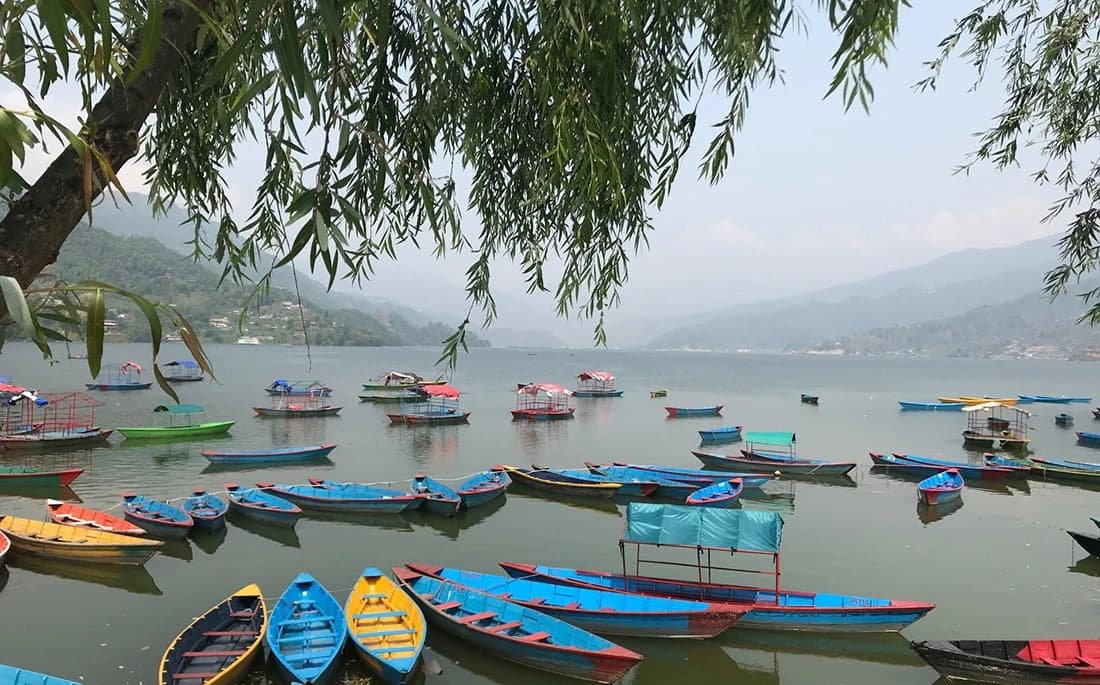
Six of our Nepal tours stop in Pokhara. All of them reach Pokhara by road, so no domestic flight is involved. The world of Nepal and Temples, shrines & Himalayas stay in and around town. Both include the sunrise at Sarangkot, Devi's Falls, the Bindhyabasini Temple and a boat on Phewa Lake. Temples, shrines & Himalayas adds a Tibetan settlement, the walk up to the Shanti Stupa and Begnas Lake.
Four routes add a multi-day trek. Trekking tour through Nepal, Culture and Himalayan hiking, and Impressions of Nepal cross Ghorepani, Poon Hill, Tadapani and Ghandruk. Majestic Himalayas goes further, up the Modi River to Annapurna Base Camp. For all four, October, November and late March to April are the months we would choose. For Annapurna Base Camp, avoid midwinter.
Common questions
What is the best month to visit Pokhara?
November is the safest bet. The monsoon is over, the air is clear and the trails are dry. October is just as clear but busier, especially around the Dashain festival.
Can I see the mountains from Pokhara in the monsoon?
Sometimes, usually very early in the morning. Between June and September cloud often covers the peaks for days, so do not build a trip around a view in those months.
Is Pokhara too cold in winter?
Not in town. January days are around 20 degrees. It is the trekking stages above 2,500 metres that get properly cold and sometimes snowbound.
When do the rhododendrons bloom on the Poon Hill trail?
Usually from late March into April, in the forests around Ghorepani and Tadapani. Expect softer, hazier views in the same weeks.
Our journeys
Tailor-made trips in Pokhara & Annapurna
6 journeys built and led by our local guides — from gentle coastal weeks to high-mountain crossings.
Build your own trip →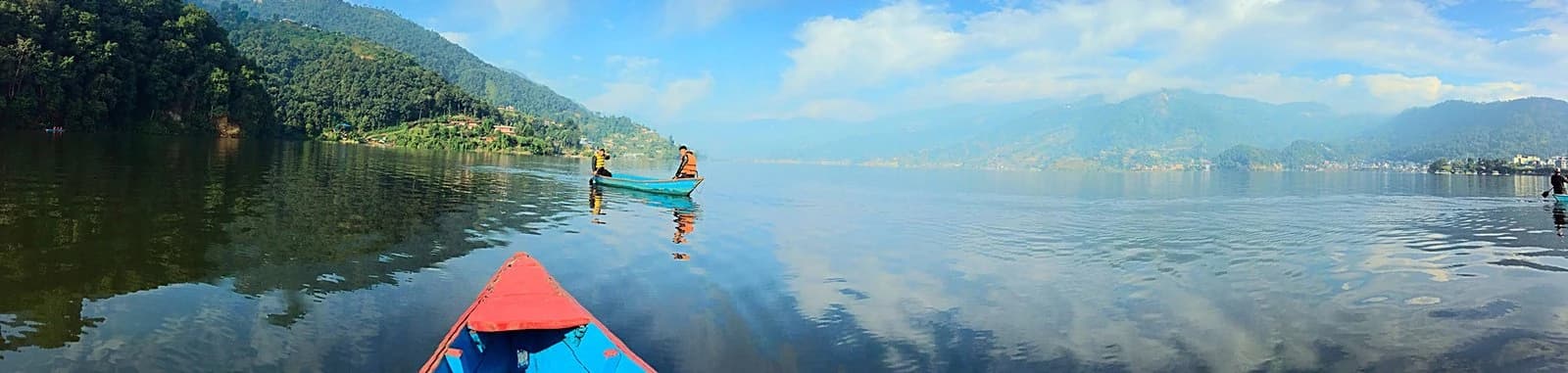
Ready to plan your trip to Pokhara & Annapurna?
Tell us roughly when, who's travelling and what kind of pace you like. We'll send back a draft itinerary within 1–2 days, no payment until you're happy with the plan.
Send a request