
Nepal's three royal cities
Best Time to Visit the Kathmandu Valley
The best time to visit the Kathmandu Valley is October and November, with clear air, mild days and the big festivals. March and April come second. The valley works all year, though: its temples and squares are city sightseeing, so weather changes comfort, not access. The mountain views from the rim are what really depend on the season.
The short answer
October and November: the clearest air of the year. Days near 25°C in October, cooler by late November.
December to February: dry and often clear, but cold at night. Foggy mornings in the valley.
March and April: warm days, around 25 to 28°C, with more haze as spring goes on.
May: hot and hazy before the rain.
June to September: the monsoon. Humid and wet, but Durbar Squares and stupas still work.
October and November: the first choice
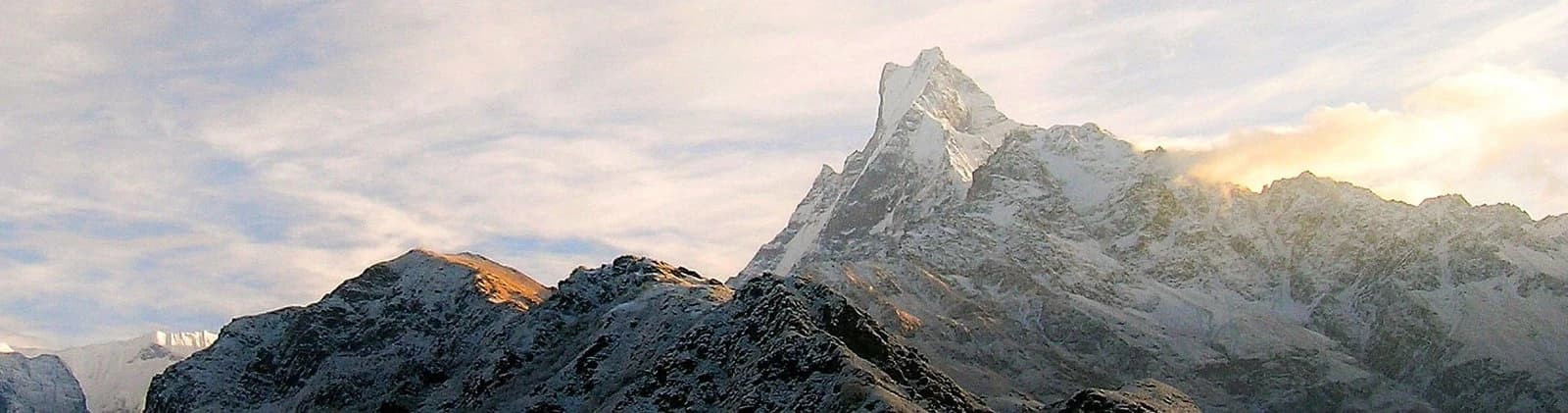
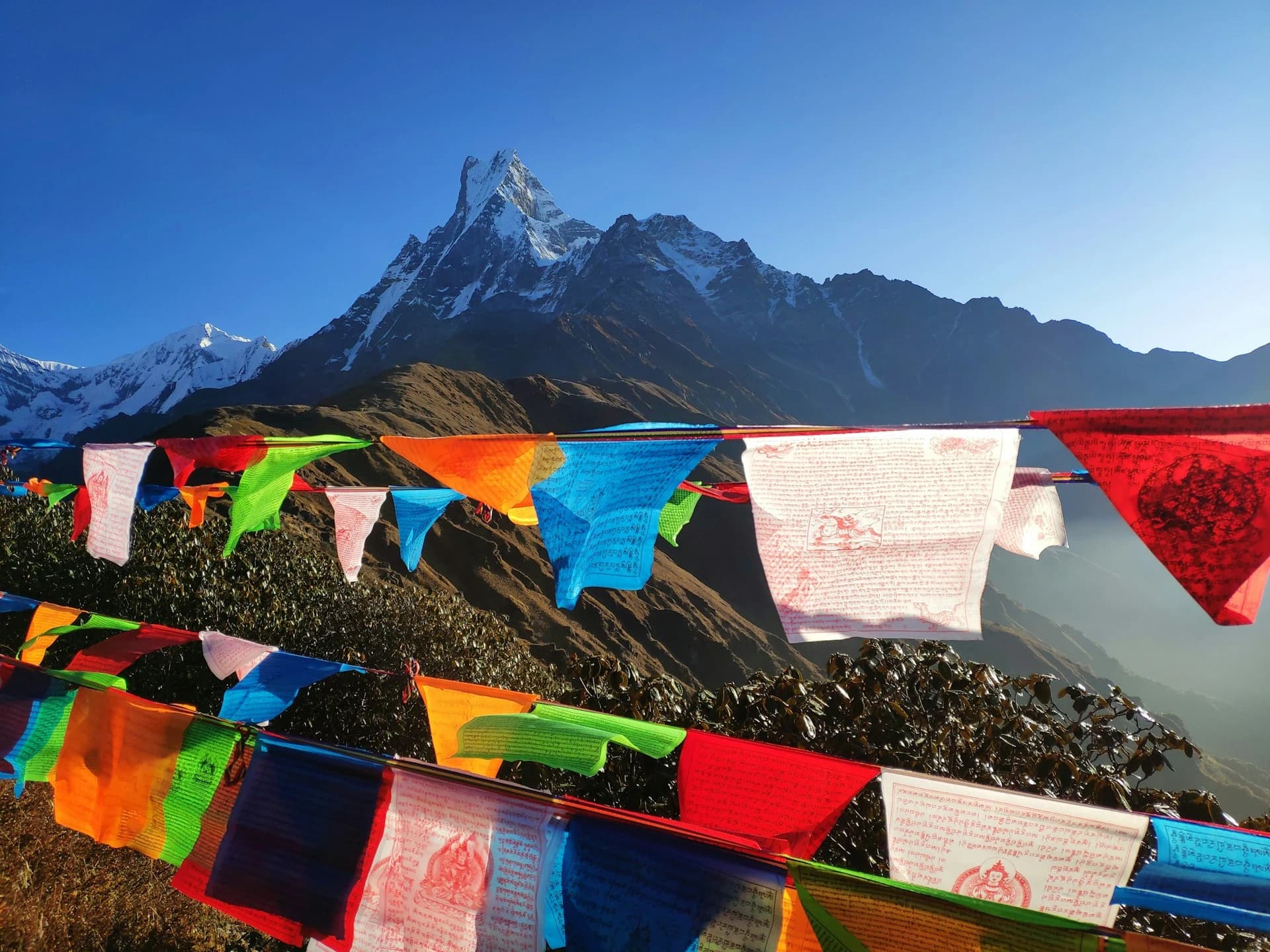
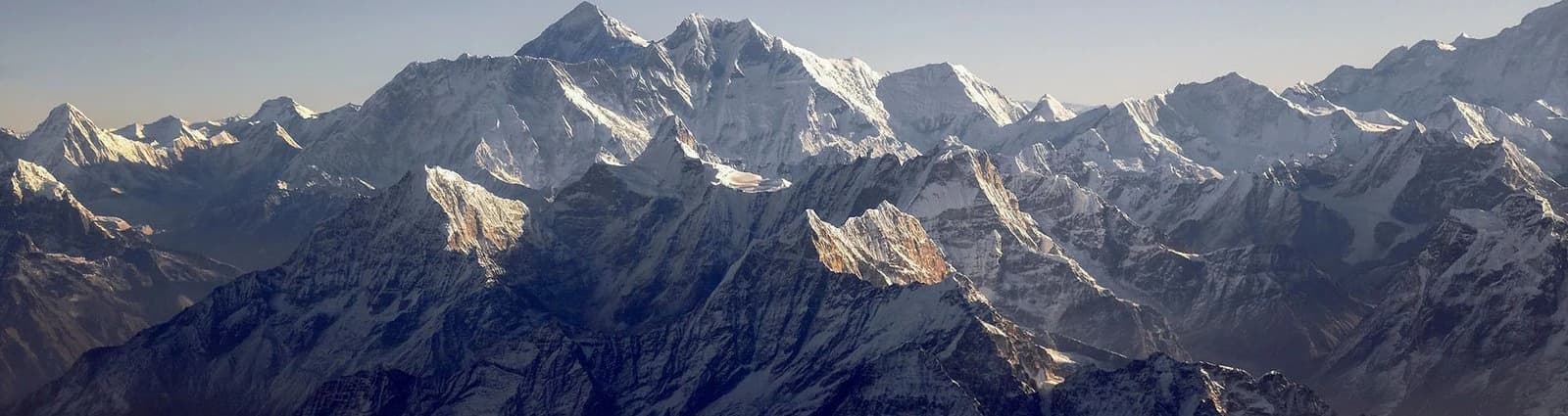
The monsoon usually breaks in late September. What follows is the best weather of the year. The air is clean after the rain, and on most mornings you can see the Himalaya from Nagarkot on the valley rim.
Kathmandu sits at about 1,400 metres. October days run near 25°C with nights around 13°C. By late November days are closer to 22°C and nights about 7°C.
This is also festival season. Dashain usually falls in late September or October and lasts about fifteen days. Many shops and offices close for part of it, and roads fill as people travel home. Tihar follows two to three weeks later, with oil lamps and marigolds across the valley. Book early.
December to February: cold nights, clear afternoons
Winter days are pleasant, around 18°C in January. Nights drop to 2 or 3°C, and many hotels have no central heating. Pack warm clothes for indoors as well as out.
Mornings often start under fog that lifts by mid-morning. The afternoons that follow can be some of the clearest of the year.
Losar, Tibetan New Year, usually falls in February or March. Boudhanath is the place to see it, and it is one of the best reasons to be in Kathmandu in winter. Check the date for your year.
March to May: warm, then hazy
Spring is the second good window. March runs about 25°C by day, April a little warmer. The catch is haze. Dust and field burning build through April, and the mountain views from Nagarkot soften. They are often there at first light and gone by mid-morning.
May is hot and the haze is at its worst. Temples and villages are fine. Panoramas are not. The valley's air is also poor in the dry months, and many people wear a mask in traffic.
June to September: monsoon
Rain comes in heavy bursts, with cloud on the hills for days. The valley's sights stay open, and a wet afternoon in Patan or Bhaktapur is still worthwhile. The bigger problems are outside the valley: landslides on the road to Pokhara, and no jeep safaris in Chitwan in July, August and September.
Indra Jatra, a festival in Kathmandu's old centre, usually falls in September. Check the date for your year.
Who each season suits
First trip to Nepal, with mountains on the list: October and November.
Culture first, with flexible dates: March and April, or the quieter winter months.
Travellers combining the valley with Chitwan: October to March.
How our tours fit
All six of our Nepal routes start and end in the Kathmandu Valley. They range from 9 to 17 days. Every one includes sightseeing in Kathmandu itself: Durbar Square, Swayambhunath and, on most routes, Boudhanath and Pashupatinath.
Bhaktapur is on all six. Patan is on five. Four routes include Nagarkot, where you can watch sunrise over the Himalaya, weather permitting. That is the stop where your month matters most.
Because the routes also go to Pokhara, the Annapurna foothills and, on most, Chitwan, we recommend October to November or March to April for the trip as a whole.
Common questions
What is the best month to visit Kathmandu?
October and November give the clearest air and mild days. March and April are the next best.
Can I visit the Kathmandu Valley in the monsoon?
Yes. The temples and squares stay open. Expect humid, wet days and cloud that hides the mountains.
How cold is Kathmandu in winter?
Days in January reach about 18°C, but nights drop to 2 or 3°C. Many hotels have no central heating.
When are Dashain and Tihar?
Dashain usually falls in late September or October, and Tihar two to three weeks later. Both follow the lunar calendar, so check for your year.
Our journeys
Tailor-made trips in Kathmandu Valley
6 journeys built and led by our local guides — from gentle coastal weeks to high-mountain crossings.
Build your own trip →
Plan your visit
Get ready for Kathmandu Valley
- Best time to visit the Kathmandu Valley
- Things to do in the Kathmandu Valley
Ready to plan your trip to Kathmandu Valley?
Tell us roughly when, who's travelling and what kind of pace you like. We'll send back a draft itinerary within 1–2 days, no payment until you're happy with the plan.
Send a request