
First trip to Bhutan
Bhutan travel guide for first-time visitors
Plan six to eight days in western Bhutan, in spring or autumn. That is enough for Paro, the capital Thimphu, the warm Punakha valley and the hike to the Tiger's Nest. Sort your visa and flights early, because Bhutan has one international airport and limited hotel space. Here is what a first-timer needs to know before going.
When to go
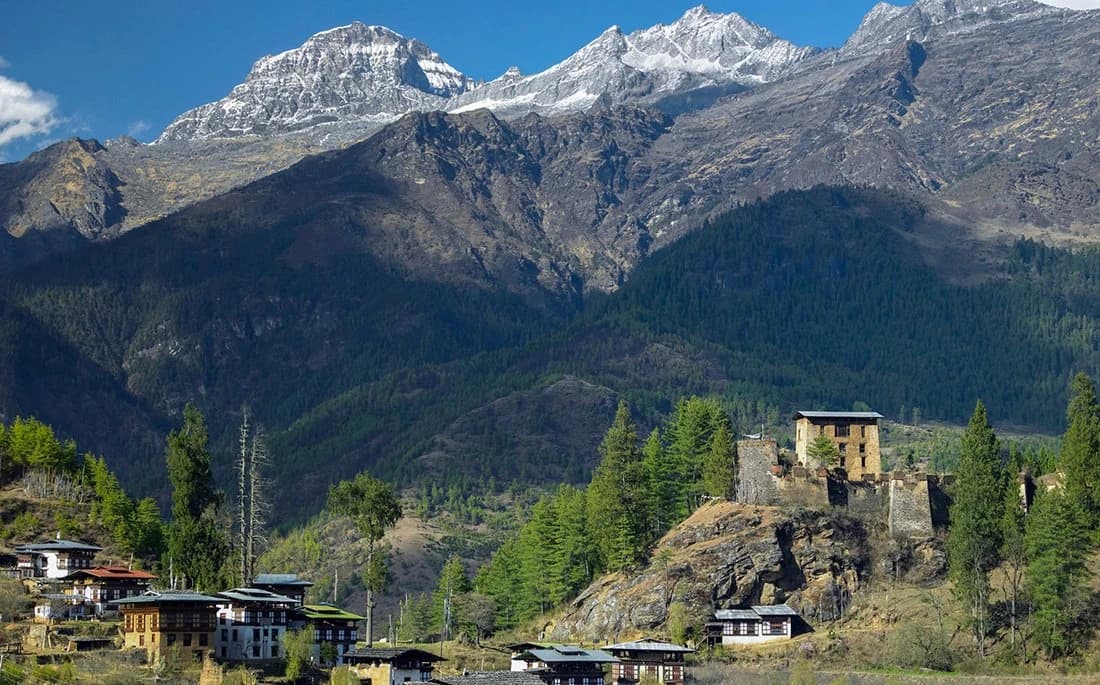
Late March to May and late September to November are the two good windows. Spring brings rhododendrons on the high passes. Autumn brings the clearest mountain views of the year and the main festival season, and it fills up first.
June to August is the monsoon. It is green and quiet, but cloud hides the Himalaya and flights into Paro get delayed. If you travel then, leave a spare night before your flight home.
December to February is cold, dry and very clear, with the fewest visitors. Thimphu drops below freezing at night in January, while Punakha, much lower, stays mild. Snow can close the high passes for a day or two.
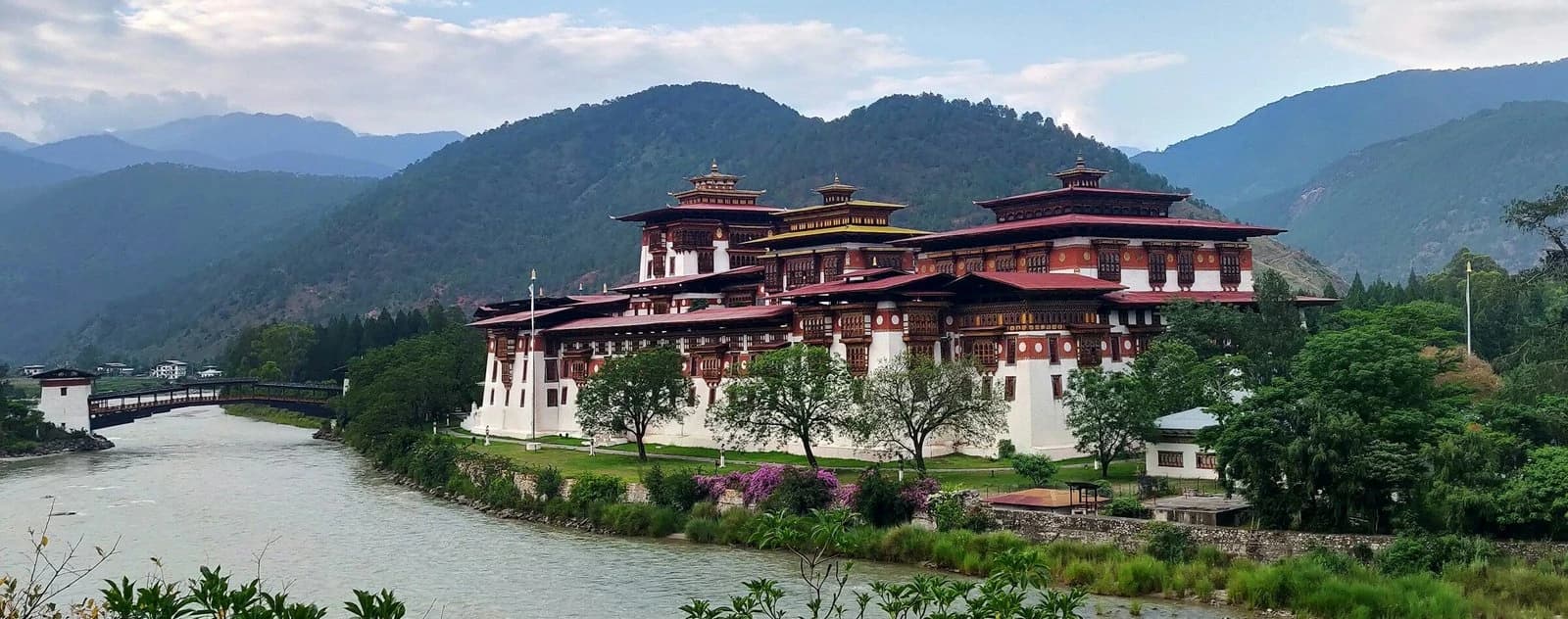
Tshechus are masked dance festivals in the courtyards of the dzongs, the fortress-monasteries. Dates follow the lunar calendar and move every year. The Paro Tshechu is usually in spring, around March or April, and the Thimphu Tshechu usually in September or October. Check the dates for your year before you book.
How long you need
Six days covers the essentials at an easy pace: Paro, Thimphu, the Dochula Pass, Punakha and the Tiger's Nest. That is the shape of The land of happiness, our six-day tour.
Eight days lets you add something. On The magic of the gigantic Himalayas you see more of Thimphu, visit the Haa valley and walk down from the Chelela Pass at 3,988 m. On The Kingdom of the Thunder Dragon you hike up to a camp below Bumdra Monastery at about 3,800 m, then come down to the Tiger's Nest the next day.
Our three tours all stay in western Bhutan. We do not run trips to Bumthang, the Phobjikha valley or the east of the country. If those are on your list, send us a request and we will tell you honestly what is possible.
Getting there and getting around
Paro is the only international airport. It sits in a narrow valley, flights land in daylight only, and bad visibility causes delays. Only two airlines fly there: Drukair and Bhutan Airlines. Our itineraries fly home via Delhi. If you are coming from Nepal, there are flights from Kathmandu to Paro.
Inside Bhutan you travel by road with your own driver, and someone meets you at the airport. Roads are winding mountain roads, so distances take longer than the map suggests. The Dochula Pass at about 3,080 m sits between Thimphu and Punakha, and all three of our tours cross it twice.
Visas, fees and money
You need an approved visa before you travel; there is no visa on arrival. Bhutan also charges a daily Sustainable Development Fee for each visitor, set by the government. The amount has changed several times in recent years, so ask what applies to your dates and whether it is in your quote.
The currency is the ngultrum, which is tied to the Indian rupee. Carry some cash for markets, small shops and tips. Larger hotels take cards, but do not count on cards everywhere outside the towns.
Dress and etiquette
Bhutan takes its culture seriously, and visitors are expected to as well. For dzongs and temples, cover your arms and legs and dress neatly. Walk clockwise around chortens, prayer wheels and temples.
Photography is often not allowed inside temples. In the Haa valley, for example, you may hear monks praying in the Karpo temple, but filming and photos are not permitted. Ask your guide when you are unsure.
Thimphu has a weekend market from Friday to Sunday, worth timing your capital day around. In Punakha and Paro, some extras are offered at additional cost, such as a cooking session, an archery lesson in the national sport, or trying on the national dress, the kira for women and the gho for men.
Health basics and altitude
Altitude is the thing to plan for. Paro and Thimphu sit between about 2,200 and 2,400 m, Punakha at around 1,250 m, and the Tiger's Nest at about 3,000 m. Take your first day easy and drink plenty of water. That is why our routes put the Tiger's Nest near the end of the trip.
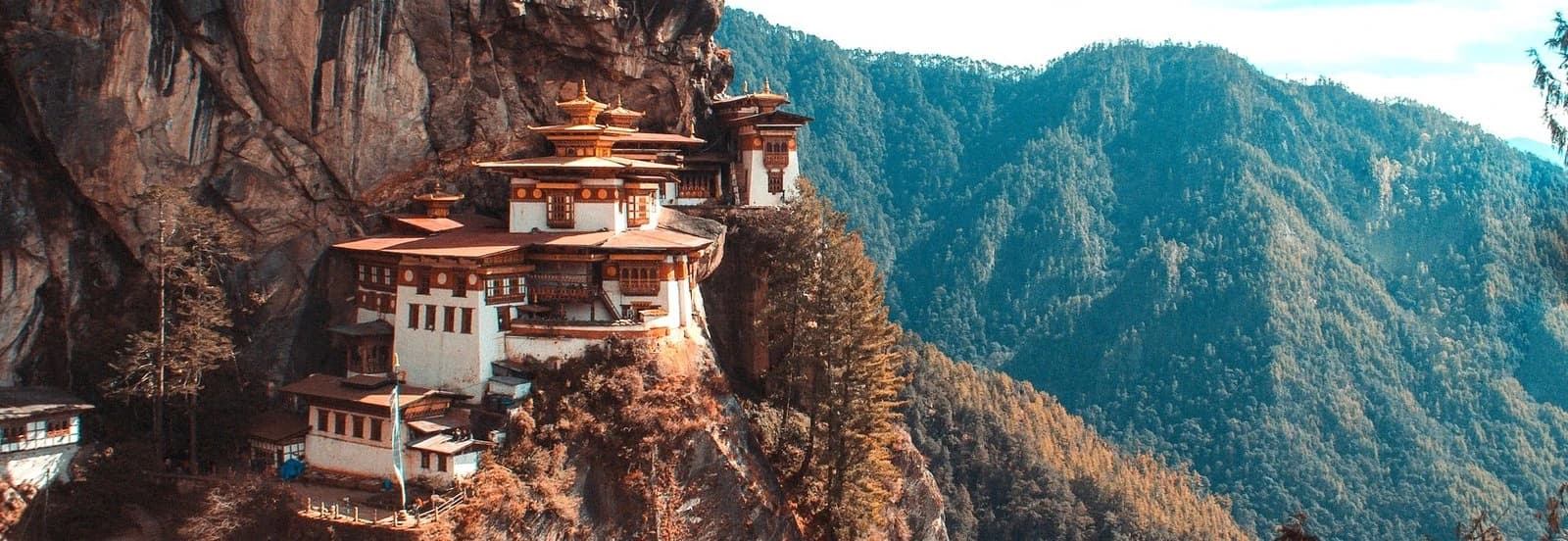
The Tiger's Nest walk is the one real effort on most trips. On The land of happiness you can walk about an hour to the viewpoint or climb about two hours to the monastery itself. The full climb takes about three to four hours on our eight-day Himalaya tour. Drink bottled or filtered water and ask your doctor about altitude if you have a heart or lung condition.
What to pack
Pack layers. Days can be warm in Punakha and cold on the passes on the same trip, and Paro nights get close to freezing in late autumn. A proper warm jacket, walking shoes with good grip, a rain jacket and sun protection cover most needs.
Bring smart, covering clothes for the dzongs: long sleeves and long trousers or a long skirt. If you take the camping trek to Bumdra, pack a warm hat and gloves, since the camp sits at about 3,800 m.
A sample six-day route
Day 1, land in Paro, see the Rinpung Dzong and drive to Thimphu. Day 2, Thimphu: the giant Buddha at Kuenselphodrang, the Memorial Chorten and the Tashichhoedzong. Day 3, cross the Dochula Pass to Punakha and walk up to the Khamsum Yulley Namgyel Chorten. Day 4, a short walk to Chime Lhakhang, then back over the pass to Paro. Day 5, the Tiger's Nest, with Kyichu Lhakhang, one of the oldest shrines in the country, on the way back. Day 6, fly home.
With eight days, add either the Haa valley and the Chelela Pass, extra time in Punakha with the Punakha Dzong and a village school, or the two-day hike via Bumdra to the Tiger's Nest.
Common questions
Can I travel in Bhutan on my own?
Bhutan is built for guided travel. Our tours are private: you travel with your own guide and driver, on your own dates, and the plan is built around you.
Is six days enough for Bhutan?
For a first visit, yes. Six days covers Paro, Thimphu, Punakha and the Tiger's Nest at an easy pace. Choose eight days if you want a high pass, the Haa valley or a night in camp.
How hard is the Tiger's Nest hike?
It is steep but well used. The monastery sits at about 3,000 m on a cliff above the Paro valley. Our eight-day Himalaya tour allows about three to four hours on foot for the climb. On the six-day tour you can instead walk about an hour to the viewpoint.
Can I combine Bhutan with Nepal or India?
Yes. All our tours are private, so a Bhutan week can sit alongside a trip in Nepal or India. There are flights from Kathmandu and Delhi to Paro.
Can I see a festival on your tours?
No tour lists a festival day as included. But our routes visit Paro, Thimphu and Punakha, where the big tshechus take place. Tell us in your request and we can try to set your dates around one.
Our journeys
Tailor-made trips in Bhutan
3 journeys built and led by our local guides — from gentle coastal weeks to high-mountain crossings.
Build your own trip →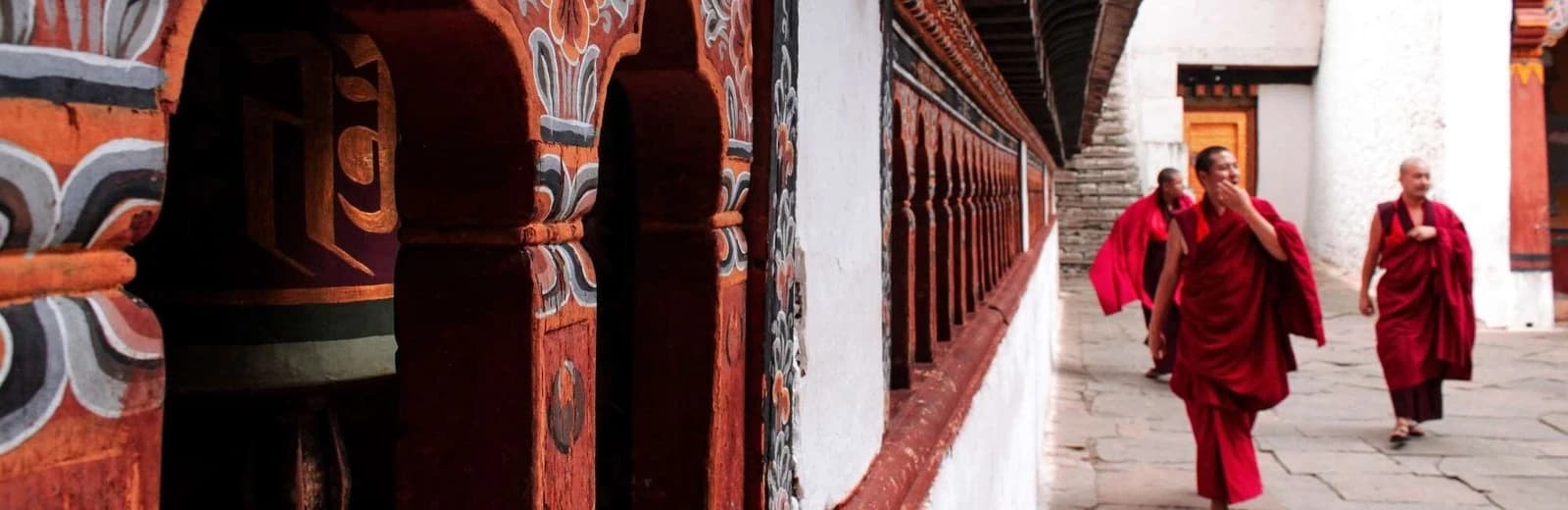
Ready to plan your trip to Bhutan?
Tell us roughly when, who's travelling and what kind of pace you like. We'll send back a draft itinerary within 1–2 days, no payment until you're happy with the plan.
Send a request