
Bhutan by season
Best time to visit Bhutan
The best time to visit Bhutan is late March to May or late September to November. Spring brings rhododendrons on the high passes. Autumn brings the clearest mountain views and the main festival season. Winter is cold, clear and quiet, and the monsoon months from June to August are green but cloudy.
The short answer
March to May is the strongest all-round choice: warm days, flowering rhododendrons and, usually, the Paro festival.
June to August is the monsoon. It is quiet and green, but cloud hides the mountains and flights into Paro can be delayed.
Late September to November has the clearest skies of the year and the busiest hotels.
December to February is cold, dry and very clear, with the fewest visitors. Snow can close the high passes.
Spring: late March to May
Thimphu sits at about 2,320 metres. Expect roughly 17°C by day and 2°C at night in March, warming to about 23°C and 10°C by May. Punakha, at around 1,250 metres, feels like a different country, with days near 28°C in April.
Rhododendrons open from late March at lower levels and through May higher up. The best of it on our routes is the Chelela Pass at 3,988 metres, followed by a downhill walk of about three hours to the Keeli Nunnery. In April and early May that walk runs through the bloom.
The catch is May. Pre-monsoon showers start and haze builds over the valleys. The flowers stay, the views start to go.
Monsoon: June to August
Most of Bhutan's rain falls between June and September. It usually rains in the afternoon and overnight rather than all day, so you can still travel. You will see more cloud than mountains, and forest trails get leeches.
The bigger issue is getting in. Paro is Bhutan's only international airport, set in a narrow valley, and landings need good visibility. Delays happen, and losing a day hurts on a six-day trip. Build a spare night into your flights.
One reason to come anyway is the Haa Summer Festival, usually in July, with yak-herding culture, food and archery. Check the dates for your year.
Autumn: late September to November
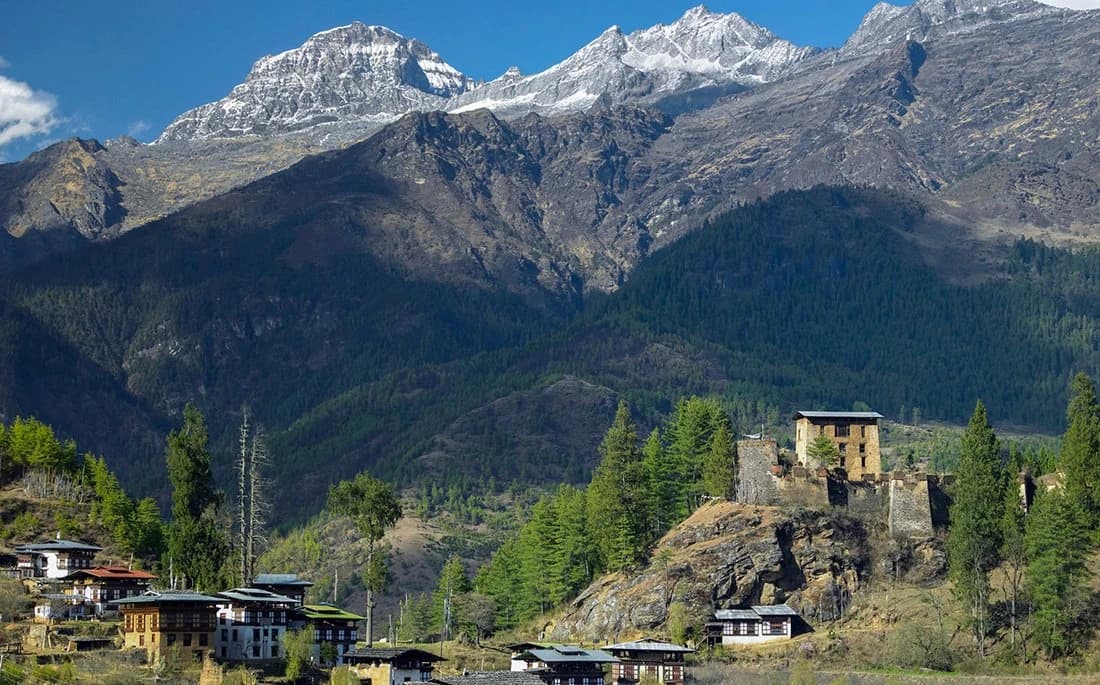
This is Bhutan as people picture it. The rain stops, the air clears, and the peaks along the Dochula Pass at about 3,100 metres come out. All three of our tours cross Dochula.
Thimphu runs about 19°C by day and 7°C at night in October, dropping to around 16°C and 1°C by late November. Punakha stays warmer. Paro nights get close to freezing in November, so pack a proper jacket.
Hotel stock is limited and autumn fills early. Settle October dates months ahead.
Tsechu festivals
Tsechus are masked dance festivals held in dzong courtyards. They follow the lunar calendar, so dates shift every year.
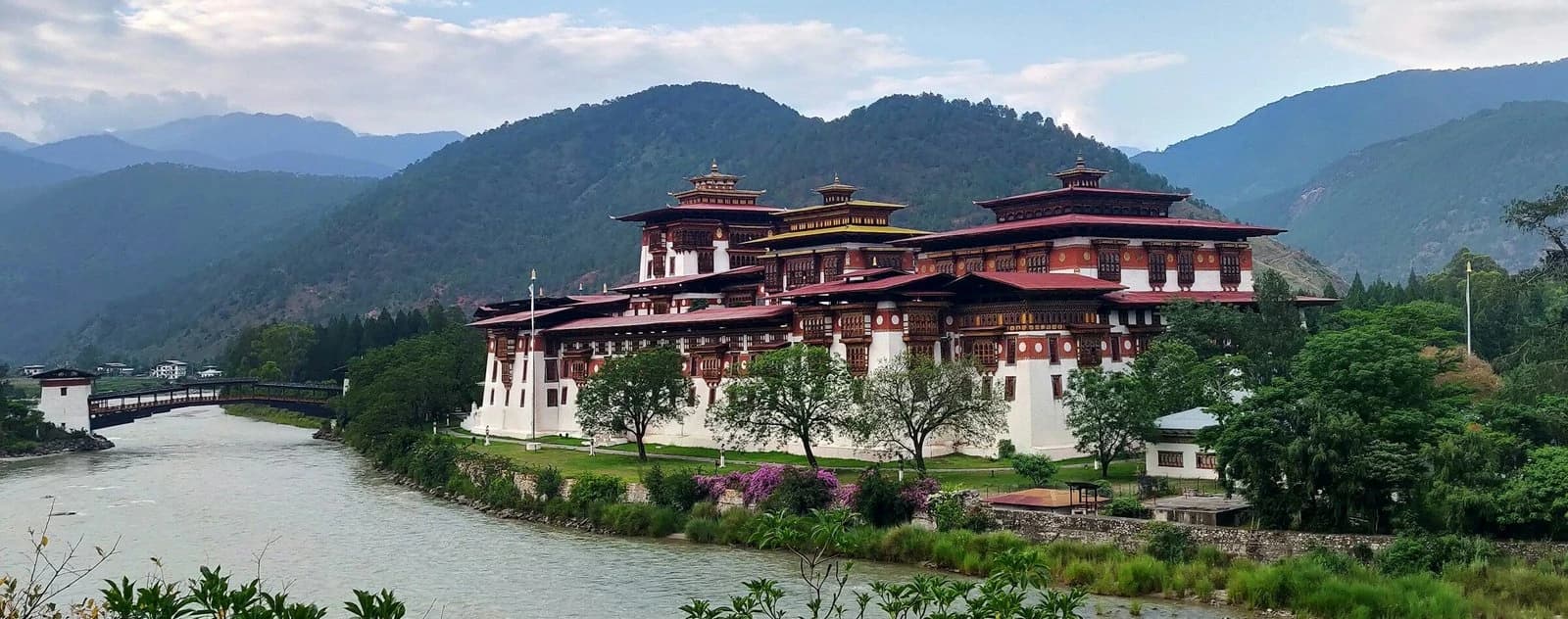
The Paro Tshechu usually falls in late March or April. The Thimphu Tshechu is usually in September or October. Punakha holds its Drubchen and Tshechu usually in February or March. Check the dates for your year.
None of our tours lists a festival as an included item. They do take you to Paro, Thimphu and Punakha, where these festivals happen. Because every tour is private, you can set your dates around a festival once the year's calendar is out.
Winter: December to February
Cold, dry, empty and very clear. Thimphu reaches about 12°C by day in January and drops below freezing at night. Punakha stays mild, with days around 17°C.
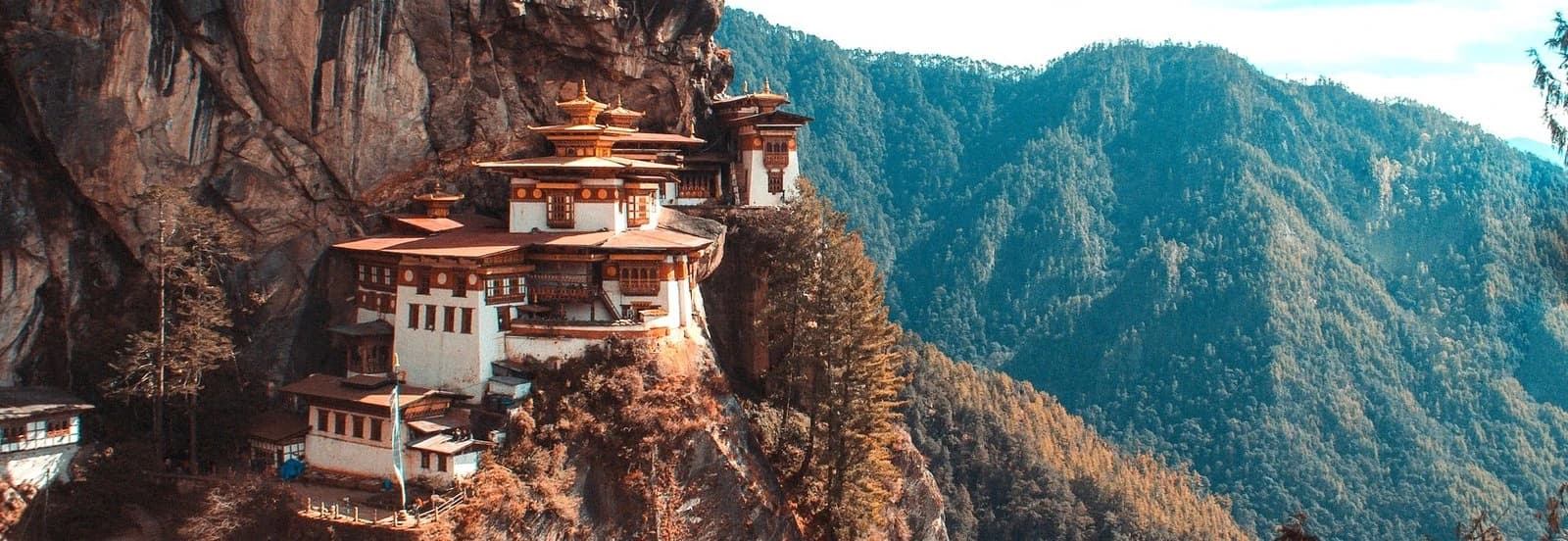
Heavy snow can close the Chelela Pass, and Dochula can shut for a day or two after a big snowfall. Days are short and the path to the Tiger's Nest can be icy, so bring boots with grip.
Who each season suits
Hikers and flower lovers: April and early May. Photographers and festival goers: October. Travellers who want quiet roads and clear skies and do not mind cold: December to February. Those who want green valleys and are flexible on flights: the monsoon.
How our tours fit
The land of happiness is our 6-day tour of Thimphu, Punakha and Paro, with a one-hour walk to the Tiger's Nest viewpoint or a longer climb to the monastery. It has no high trekking and works in most months, including winter.
The magic of the gigantic Himalayas adds the Ha Valley, the Chelela Pass walk and the Tiger's Nest climb. Go in April and May for flowers or October for views.
The Kingdom of the Thunder Dragon includes a four-hour hike from Sang Choekor Monastery up to Bumdra Monastery, then on to the Tiger's Nest the next day. It is the most demanding of the three. April, May and October suit it best.
Common questions
What is the best month to visit Bhutan?
October for clear views and festivals, or April for rhododendrons and mild days. Both are busy, so plan early.
Is Bhutan worth visiting in winter?
Yes, for clear skies and empty sights. Nights are below freezing and snow can close high passes, so pick a tour without high hiking.
When are the tsechu festivals in Bhutan?
They follow the lunar calendar. Paro is usually in spring, Thimphu usually in September or October. Check the dates for your year.
Do monsoon rains affect flights to Bhutan?
Yes. Paro airport needs good visibility, so delays are more common from June to August. Leave a spare night before onward flights.
Our journeys
Tailor-made trips in Bhutan
3 journeys built and led by our local guides — from gentle coastal weeks to high-mountain crossings.
Build your own trip →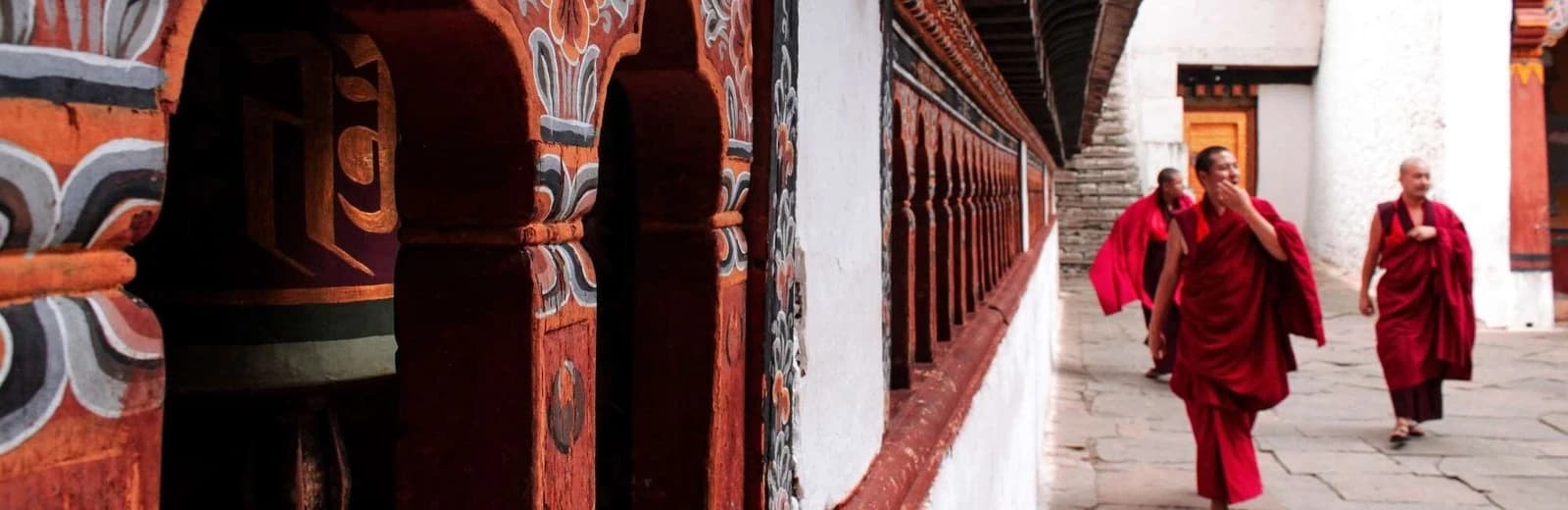
Ready to plan your trip to Bhutan?
Tell us roughly when, who's travelling and what kind of pace you like. We'll send back a draft itinerary within 1–2 days, no payment until you're happy with the plan.
Send a request