
Rajasthan by season
Best time to visit Rajasthan
The best time to visit Rajasthan is October to March, and November to February is the most comfortable stretch. Days are warm and dry, around 22 to 28°C, but desert nights get cold. April to June is very hot. July to September brings the monsoon and closes the core zones of the tiger parks.
The short answer
November to February is the peak. Expect warm days, cool to cold nights and clear skies.
October and March are good shoulder months. They are warmer, with fewer people at the start and end of the season.
April to June is very hot, often 38 to 45°C. It is also when your odds of seeing a tiger at Ranthambore are best.
July to September is the monsoon. The state turns green and quiet, the air is humid, and the tiger parks are closed.
October to March: the main season
October is the turn. The heat breaks and Rajasthan becomes comfortable from about the second week. November is close to ideal, at around 28°C by day with clear skies.
December and January are the coolest months. Jaipur sits around 22°C by day, and the mornings are cold. From the third week of December, dense morning fog can settle over the plain around Delhi and Agra. It often delays flights and trains, so leave some slack in late December and January if your route has an internal flight.
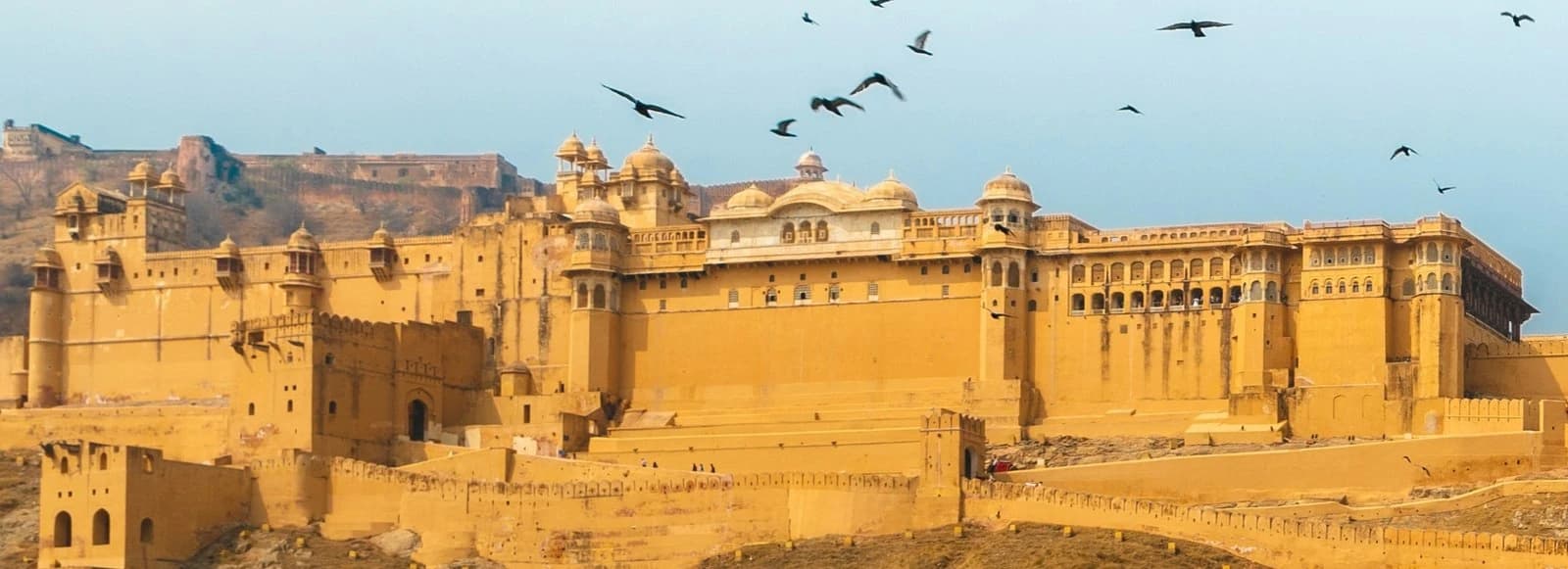
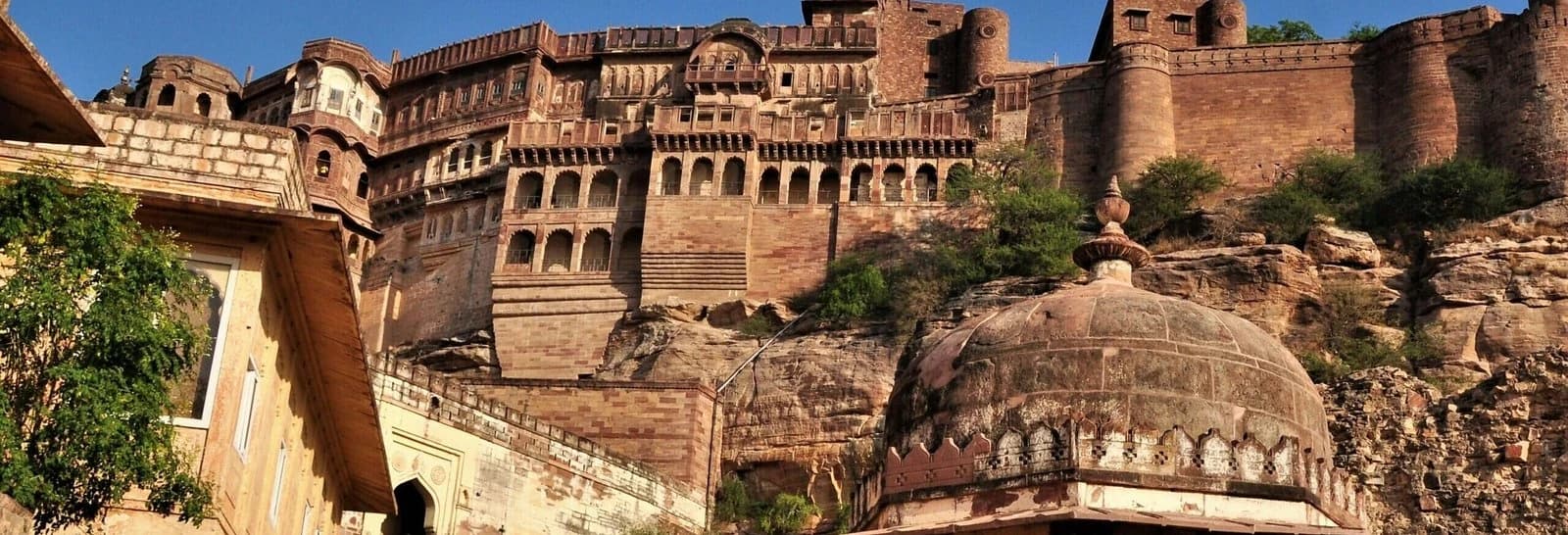
February is the steadiest month of all. Days run 26 to 28°C and nights around 12°C. Midday walks up to Amber Fort or Mehrangarh are easy.
March splits in two. Until about the middle of the month it stays near 30°C. By the end, Jaipur touches 36°C and the afternoons get long.
Desert nights
The Thar Desert is where the season matters most. In winter, desert days are warm and nights are cold. Around Jaisalmer and Bikaner, dawn can drop to 5 to 10°C in January. Pack a fleece for any evening out in the dunes.
In summer the desert is too hot for anything in daylight.
April to June: heat, and better odds for tigers
April is when the plains stop being pleasant. Jaipur and Ranthambore reach 38 to 41°C. May is hotter still, at 42 to 45°C across much of the state. June stays above 40°C until the rain arrives.
It is also when tiger sightings at Ranthambore and Sariska improve. The forest dries out and animals come to the remaining waterholes. Game drives are shared, in a jeep for up to six people or an open canter bus for up to twenty, depending on what the park allocates. Sightings are never guaranteed. If a tiger is the main goal, April and May are the honest recommendation, as long as you can handle the heat.
July to September: the monsoon
Rajasthan gets less rain than most of India, and the western desert gets the least. Expect short, heavy showers, high humidity and grey skies rather than days of steady rain. The lakes in Udaipur fill up and the Aravalli hills turn green.
The firm trade-off is wildlife. The core zones at Ranthambore and Sariska close from July to the end of September and reopen on 1 October. A monsoon trip to Rajasthan is a trip without the tiger days.
Festivals
Holi usually falls in March. The date moves with the Hindu lunar calendar, so check it for your year. Diwali, the festival of lights, usually falls in October or November, when cities and havelis are lit up at night. The Pushkar camel fair takes place around that time too, but none of our tours go to Pushkar.
How our tours fit
Several of our routes include a desert evening. On Rajasthan, The Land of Kings you take a camel ride outside Jaisalmer and watch the sun set over the dunes. The 21-day North India route does the same at Jaisalmer, followed by dinner in the desert. On the trails of the Maharajas stays at the Manvar desert camp, with a jeep safari, a camel ride and an evening of local music and dance. Two other routes add a sunset camel ride in the Shekhawati region.
The magic of Rajasthan puts two game drives into one day at Ranthambore plus an afternoon at Sariska, which gives you more chances. It is an October to June trip.
Our 7-day Golden Triangle & Colors of India is built around Holi. It runs Delhi, Agra and Jaipur, with Holi celebrated in a royal garden, then finishes in Udaipur. It only works if your dates match the festival, so plan it early.
Common questions
What is the single best month for Rajasthan?
February. Days are 26 to 28°C, nights are around 12°C, and the January fog around Delhi and Agra has usually cleared.
Is Rajasthan too cold in December and January?
Days are pleasant, around 22°C in Jaipur. Mornings and desert nights are cold, down to 5 to 10°C around Jaisalmer, so bring a warm layer.
When is the best time to see tigers at Ranthambore?
April and May, when animals gather at the remaining waterholes. It is very hot, and sightings are never guaranteed. The core zones close from July to the end of September.
Can I visit Rajasthan in the monsoon?
Yes. Rain comes in short, heavy bursts and Udaipur is at its greenest. Prices and crowds are low, but the tiger parks are closed.
Our journeys
Tailor-made trips in Rajasthan
9 journeys built and led by our local guides — from gentle coastal weeks to high-mountain crossings.
Build your own trip →

Ready to plan your trip to Rajasthan?
Tell us roughly when, who's travelling and what kind of pace you like. We'll send back a draft itinerary within 1–2 days, no payment until you're happy with the plan.
Send a request