
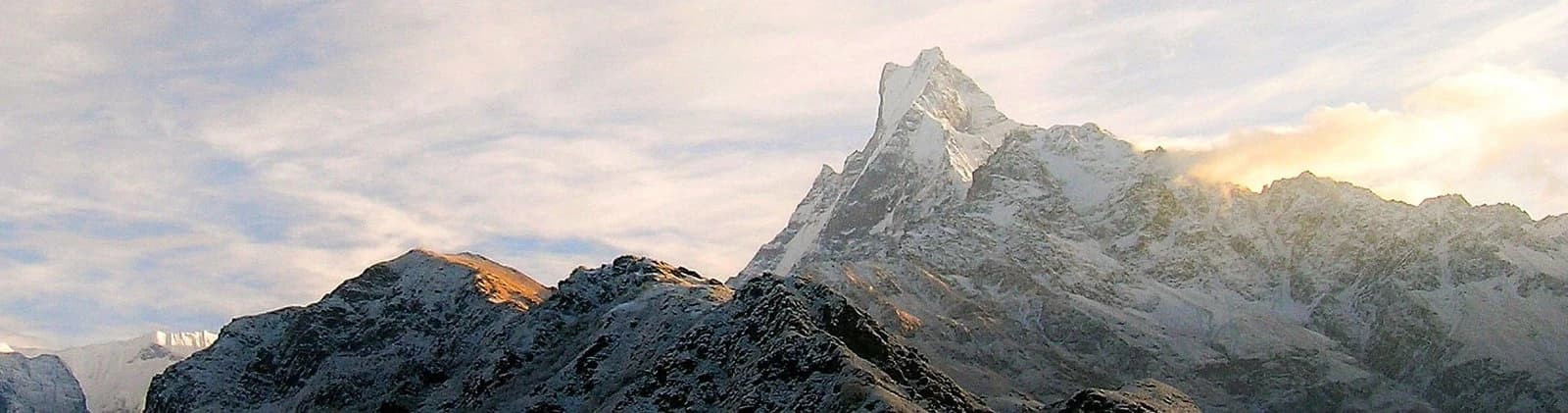
First trip to Nepal
Nepal travel guide for first-time visitors
Go in October or November if you can, and give Nepal at least nine days. That covers the Kathmandu Valley, the rhinos of Chitwan and the lakes and peaks around Pokhara without rushing. Add four or five days if you want to walk in the Annapurna foothills. Below are the practical answers a first-timer needs, from the drive times to what goes in the bag.
When to go
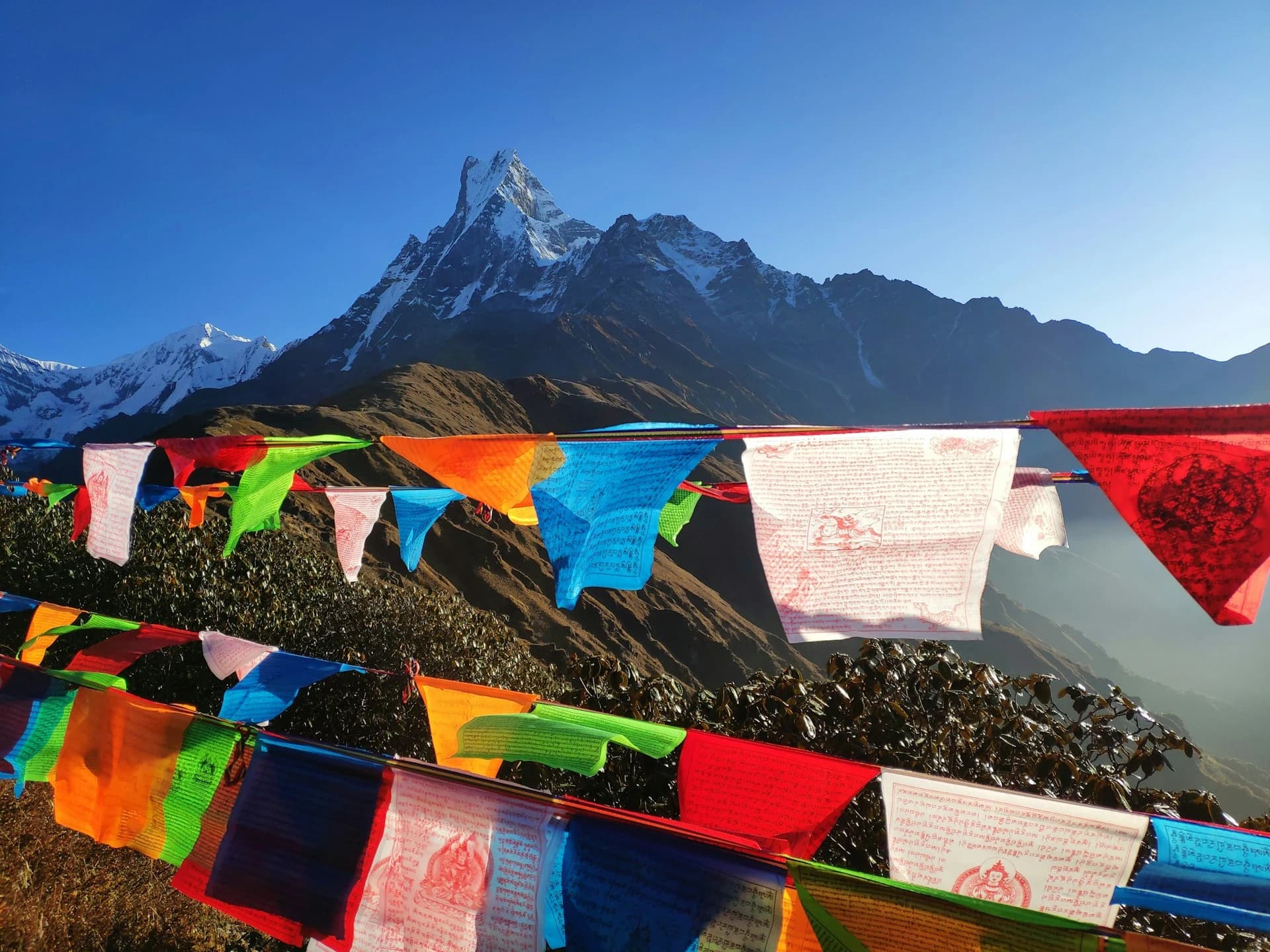
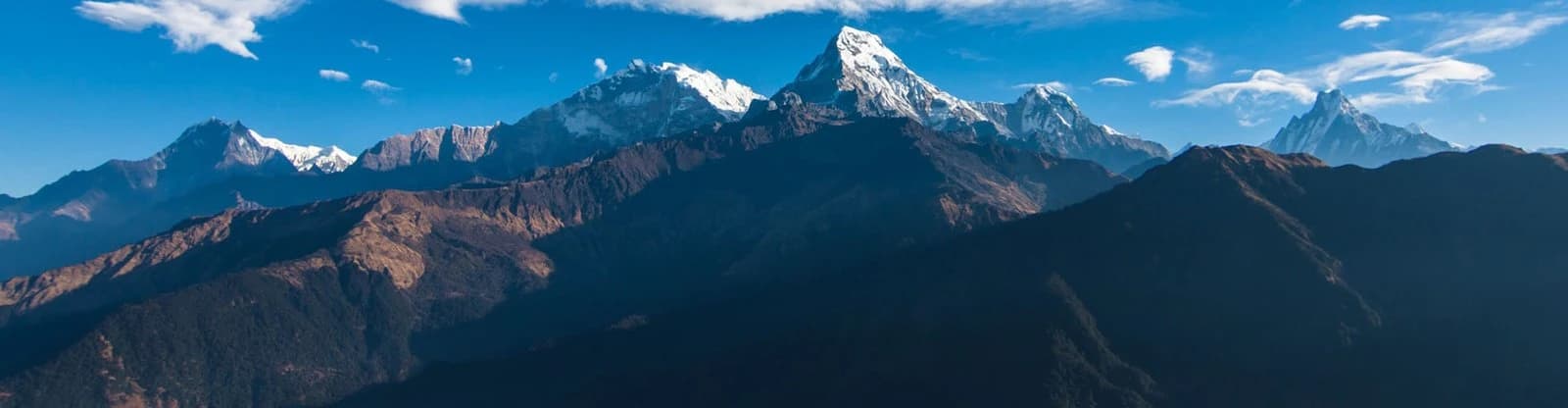
October and November are the best months. The monsoon has washed the air clean, the trails are dry and the Annapurna and Dhaulagiri peaks show up on most mornings. Kathmandu runs near 25°C by day in October. It is also the busiest season, so fix dates early.
March and April come second. The rhododendron forests around Ghorepani and Tadapani flower, and nights on the trail are milder. The catch is haze: the mountains are often clear at dawn and gone by mid-morning.
December to February is cold but clear. Kathmandu nights drop to around 2 to 3°C in January and many hotels have no proper heating. It is the best season for Chitwan, though, with dry, mild days. June to September is the monsoon. Kathmandu still works, but cloud hides the mountains, landslides can block the Pokhara road, and Chitwan runs no jeep safaris in July, August or September.
How long you need
Nine days is the comfortable minimum. A good loop runs Kathmandu Valley, Chitwan, Pokhara, then back towards Kathmandu with a night at Dhulikhel or Nagarkot. Our nine-day tour, The world of Nepal, follows exactly that shape and has no trekking.
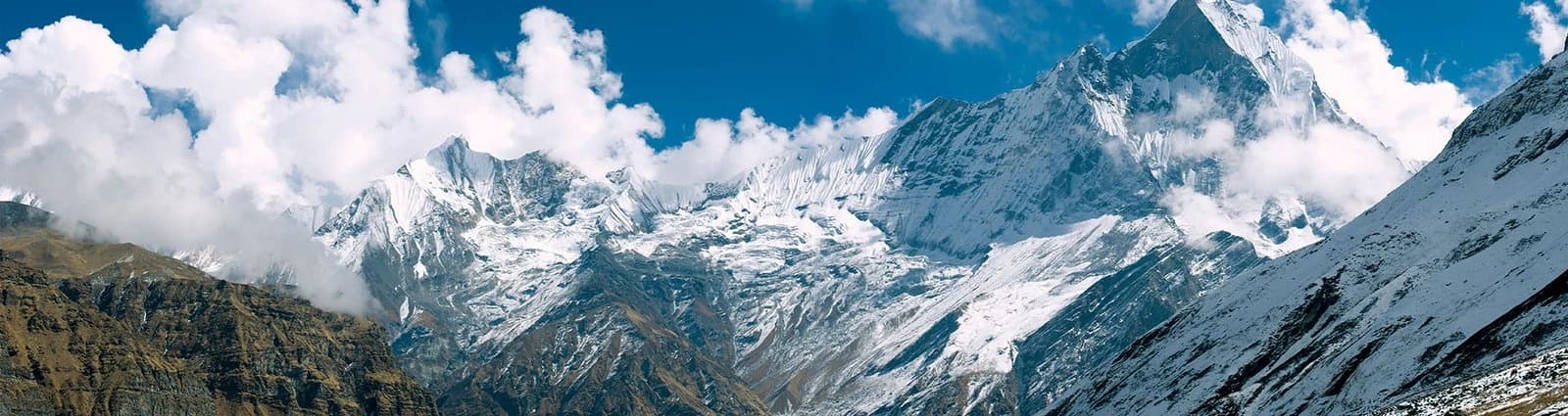
With 11 to 14 days you can add a four- or five-day walk over Poon Hill, at 3,210 m, from Pokhara. With 17 days or more you can slow everything down, or go higher. One of our six Nepal tours continues all the way to Annapurna Base Camp at 4,130 m. It is the hardest trip we run in Nepal and needs real fitness.
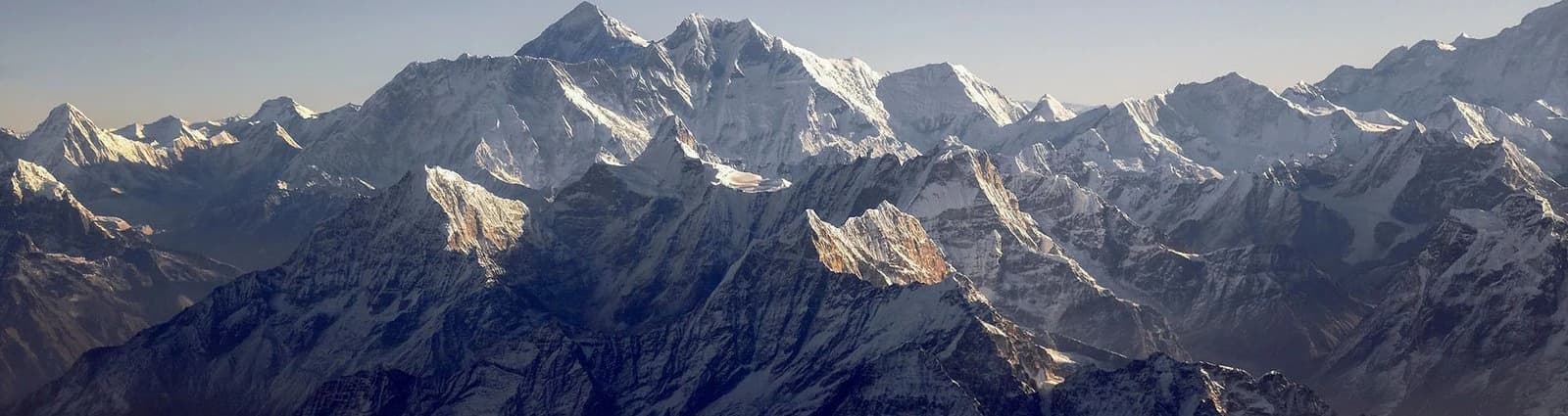
Every multi-day walk we run is in the Annapurna region. None of our tours goes to Everest Base Camp.
Getting around
Nepal is small on the map and slow on the road. Kathmandu to Pokhara is about 200 km and takes six to eight hours. Our routes drive it, with no domestic flights, and several break the journey at Bandipur, an old hill town on a ridge.
Inside the Kathmandu Valley, distances are short but traffic is heavy. Kathmandu, Patan and Bhaktapur are only a few kilometres apart, yet seeing two of them well in one day is hard work. Plan one old town per morning. On our tours you travel by car, and someone meets you at the airport when you land.
Money and visas
The currency is the Nepali rupee. ATMs are easy to find in Kathmandu and Pokhara, and larger hotels take cards. Carry cash for markets, small cafés and tips, and take enough for the whole walk if you trek: the mountain lodges are a cash world.
Most nationalities can get a visa on arrival at Kathmandu airport or apply online beforehand. Rules change, so check what applies to your passport before you fly.
Temples and etiquette
Nepal is relaxed with visitors, but a few habits matter. Walk clockwise around stupas and prayer wheels, as the pilgrims at Boudhanath do. Take your shoes off where others do, and ask before you photograph people.
At Pashupatinath, the great Shiva temple on the Bagmati river, non-Hindus cannot enter the main temple. You can watch the cremation ghats from the terraces on the far bank. Cremations happen in the open with families present, so keep a respectful distance and skip it if it is not for you.
Some temples still show damage from the 2015 earthquake. Many, like Boudhanath and the Kasthamandap in Kathmandu Durbar Square, have been rebuilt. Expect some scaffolding somewhere.
Health basics
Drink bottled or filtered water and eat where food is cooked fresh. Kathmandu's air is poor in the dry months, and plenty of travellers wear a mask in traffic.
Altitude is the main thing to respect. Kathmandu sits at about 1,400 m, Nagarkot at 2,175 m and Ghorepani at 2,850 m. On the Poon Hill walk most people are fine if they go slowly and drink plenty. Annapurna Base Camp is a different level, so talk to your doctor first. In the monsoon, forest trails have leeches.
What to pack
Pack layers, whatever the month. A warm jacket earns its place for sunrise at Nagarkot or Sarangkot and for cold lodge nights on the trail, where bedrooms are not heated. Walking boots you have already broken in, a head torch for the pre-dawn climb to Poon Hill, a rain jacket and sun protection cover the rest.
For temples, bring clothes that cover shoulders and knees, plus socks for cold stone floors. Leave room for shopping: the Thamel quarter in Kathmandu is full of trekking gear and the markets sell good textiles.
A sample first route
Day 1, land in Kathmandu. Day 2, Kathmandu Durbar Square, Swayambhunath and Patan. Days 3 and 4, Chitwan, with a village visit, bird walks and a jeep safari when the season allows. Days 5 and 6, Pokhara, with sunrise from Sarangkot and a walk by Phewa Lake. Day 7, drive back to Dhulikhel. Day 8, sunrise near Nagarkot, then Bhaktapur. Day 9, fly home.
To add a trek, insert five walking days after Pokhara: Nayapul to Tikhedhunga or Ulleri, up to Ghorepani, Poon Hill at sunrise, then down through Tadapani and Ghandruk. Some of our routes also visit Boudhanath and Pashupatinath, the Naydo monastery in Pharping, or Lumbini, the birthplace of the Buddha. Rafting on the Trishuli river is offered on two routes as an optional extra at additional cost.
Food worth trying
Order dal bhat at least once. It is rice, lentil soup and vegetable curry, and it usually comes with refills. Momos, the Nepali dumplings, are everywhere. On the trail, simple lodge food keeps you going, and a hot drink at the top of Poon Hill tastes better than it has any right to.
Common questions
Is Nepal good for a first trip to Asia?
Yes. Distances are manageable, people are used to visitors and a nine-day loop covers temples, jungle and mountains. The main challenge is the slow roads, so build in buffer time.
Do I have to trek to enjoy Nepal?
No. Two of our six Nepal tours have no multi-day trek. You still get mountain views from Sarangkot, Nagarkot and Dhulikhel, with short walks only.
Can I see Mount Everest on your tours?
Not up close. None of our tours goes to the Everest region or Everest Base Camp. All our treks are in the Annapurna area. If Everest is your goal, send us a request and we will tell you honestly what we can arrange.
When is Chitwan best for wildlife?
October to March. The days are dry and mild. There are no jeep safaris in July, August or September. Rhinos are the animal most people see; a tiger is possible but never promised.
How fit do I need to be for Poon Hill?
Reasonably fit. Expect five to seven hours of walking on some days, with many stone steps. The highest point is 3,210 m. If you walk regularly at home, you will manage at a steady pace.
Our journeys
Tailor-made trips in Nepal
6 journeys built and led by our local guides — from gentle coastal weeks to high-mountain crossings.
Build your own trip →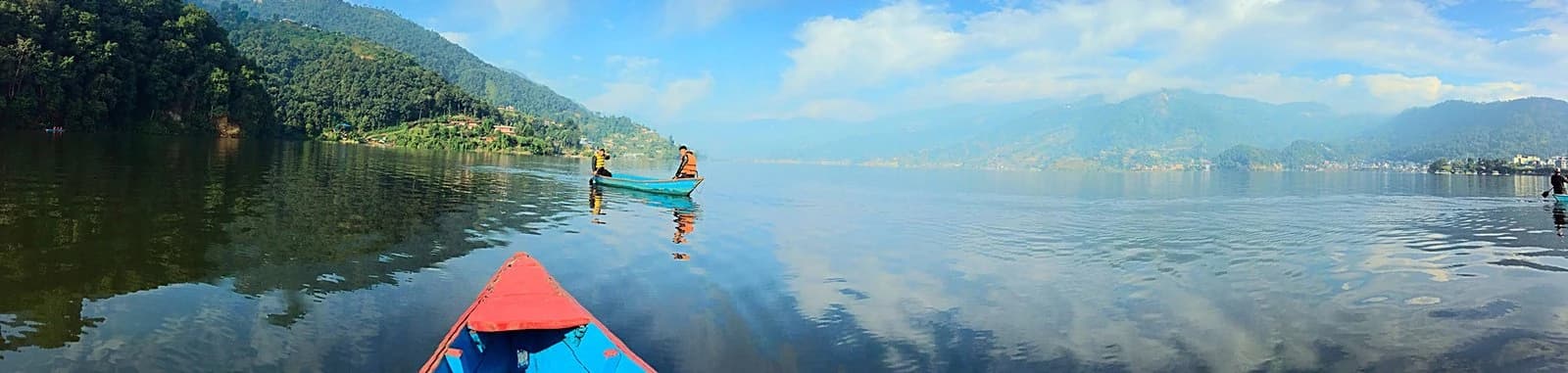
Ready to plan your trip to Nepal?
Tell us roughly when, who's travelling and what kind of pace you like. We'll send back a draft itinerary within 1–2 days, no payment until you're happy with the plan.
Send a request