
Kochi, Kerala
Best Time to Visit Kochi
The best time to visit Kochi is November to February. Days are warm, the humidity eases and walking around Fort Kochi is comfortable. March to May gets hot and sticky. June to September is the monsoon, which brings heavy bursts of rain but keeps the city open.

The short answer
November to February: the most comfortable months. Dry, warm days and easier evenings.
October: drying out, with short afternoon storms. Good value.
March to May: hot and very humid. Sightseeing works best early and late in the day.
June to September: the southwest monsoon. Heavy rain in bursts, green and quiet, lowest prices.
What makes Kochi different from the rest of Kerala
Kochi is a port city at sea level, so it never gets cool. Temperatures sit around 28 to 33 degrees by day all year. What changes is the rain and the humidity, and those decide how pleasant a walk through the old town feels.
The sights here are mostly outdoors and on foot. You walk from the Chinese fishing nets along the waterfront to St. Francis Church, then on through Mattancherry to the Jewish Synagogue and the spice and antique markets. That is why the dry months matter more in Kochi than on a houseboat, where you sit in the shade.
November to February: the season
The northeast monsoon only brushes Kerala, so by late November the skies are mostly clear. December and January are the driest and least humid months. Evenings by the harbour are pleasant, and the light on the fishing nets at sunset is soft.
This is high season. Hotels in Fort Kochi fill up around Christmas and New Year, so book early if your dates fall then. In some years the Kochi-Muziris Biennale, a large contemporary art show, opens in December and runs into the spring. It does not run every year, so check for your dates.
March to May: heat and humidity
From March the heat builds and the air gets heavy. April and May are the hardest months, with high humidity and the occasional pre-monsoon thunderstorm. Plan the old town walk for the morning and keep the afternoon for indoor sights or a rest.
One good trade: this is when the hills inland feel best. A few days in Thekkady, higher and cooler, makes a hot Kochi stop much easier.
June to September: the monsoon
The monsoon usually reaches Kerala in the first week of June. June and July are the wettest months. Rain tends to fall in heavy showers with dry spells in between, so you can still see the city. Pack an umbrella and shoes that cope with puddles.
The sea is rough, so this is no time for the beach at Marari. Prices are at their lowest and the streets are quiet. In August or September, Onam, Kerala's harvest festival, brings flower carpets and feasts. The date follows the local calendar and moves each year.
October: the shoulder month
October sits between the two monsoons. The heavy rain is over, but short afternoon storms are common. Mornings are usually fine for sightseeing. If you want lower prices and can live with a wet hour or two, October is good value.
Who each season suits
First-time visitors and anyone who hates humidity: December to February. Travellers on a budget who do not mind rain: June to September. If Kochi is the start or end of a longer South India trip, let the rest of the route set the month, because Kochi itself works in any season.
How our tours fit
Three of our India tours spend a day in Kochi. South India Exotic World arrives from the Alleppey houseboat. India from North to South flies in from Jaipur. The diversity of South India comes in after a beach stop at Marari. On all three you visit Fort Kochi, the Mattancherry Palace, the Jewish Synagogue and St. Francis Church with the tomb of Vasco da Gama, see the Chinese fishing nets, and watch a Kathakali dance performance in the evening.
Because these routes also cover Tamil Nadu or the north, the best overall window is January to March for the southern routes, and October to March for India from North to South. Our 5-day Marari beach stay also starts and ends at Kochi airport, and works best from November to March.
Common questions
What is the best month to visit Kochi?
January is the safest choice. It is dry, the humidity is at its lowest and evenings by the harbour are pleasant. December is just as good but busier and more expensive.
Is Kochi worth visiting in the monsoon?
Yes, if you can live with rain. Showers come in bursts, the city stays open, and prices and crowds are at their lowest. Skip the beach in those months.
How hot is Kochi in April and May?
Around 33 degrees by day with very high humidity. It feels hotter than the number. Sightsee early, rest in the afternoon.
Can I see Kathakali in Kochi in any month?
Kathakali is performed in Kochi throughout the year. On our three routes that include Kochi, an evening performance is part of the day.
Our journeys
Tailor-made trips in Kochi
3 journeys built and led by our local guides — from gentle coastal weeks to high-mountain crossings.
Build your own trip →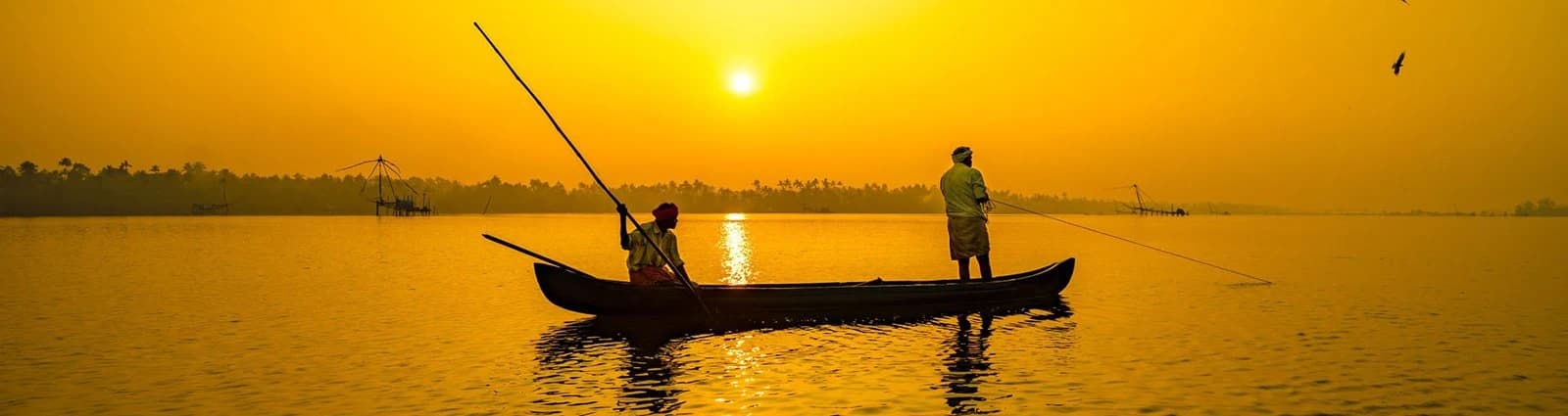

Ready to plan your trip to Kochi?
Tell us roughly when, who's travelling and what kind of pace you like. We'll send back a draft itinerary within 1–2 days, no payment until you're happy with the plan.
Send a request