
India by region and month
Best time to visit India
The best time to visit India for most trips is October to March. That window suits Delhi, Agra, Rajasthan, Varanasi, Kerala and the beaches. April to June is hot in the plains but good in the hills and for tiger sightings. July to September is the monsoon, best spent in the green south.
The short answer by region
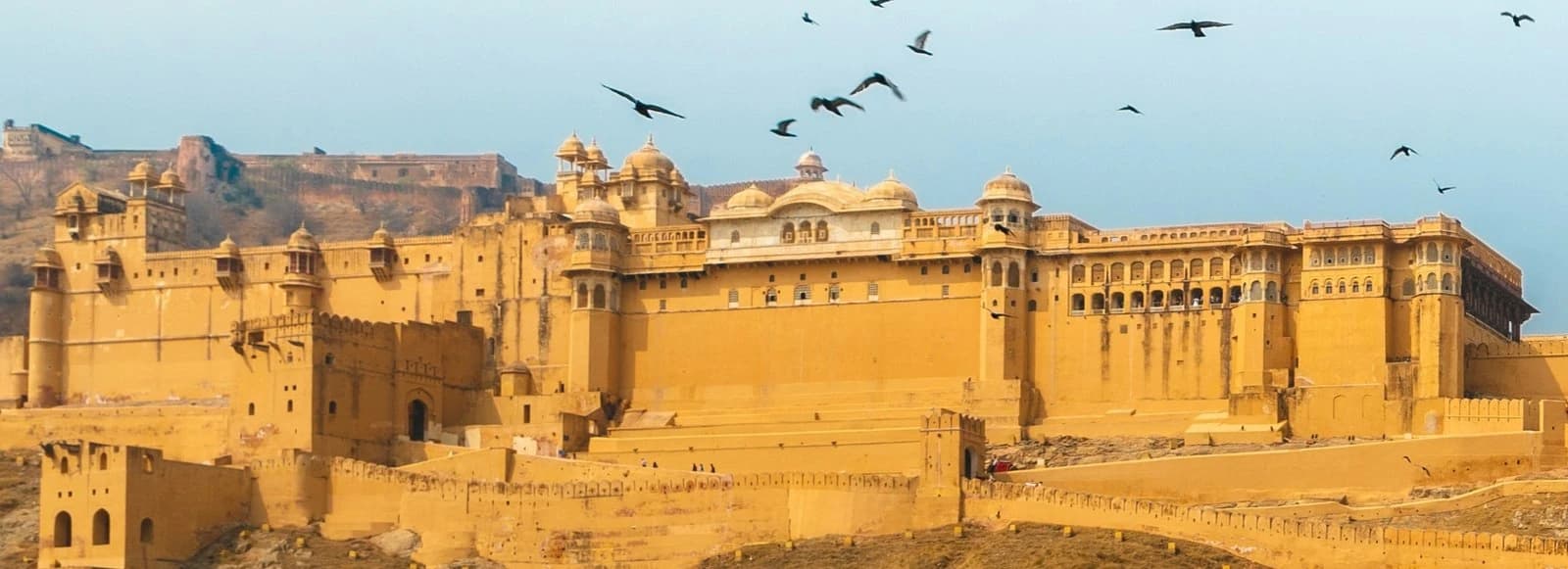
Delhi, Agra, Jaipur, Rajasthan and Varanasi: October to March.
Tiger safaris at Ranthambore and Sariska: March to June for sightings, October to February for comfort. Core zones close from July to September.
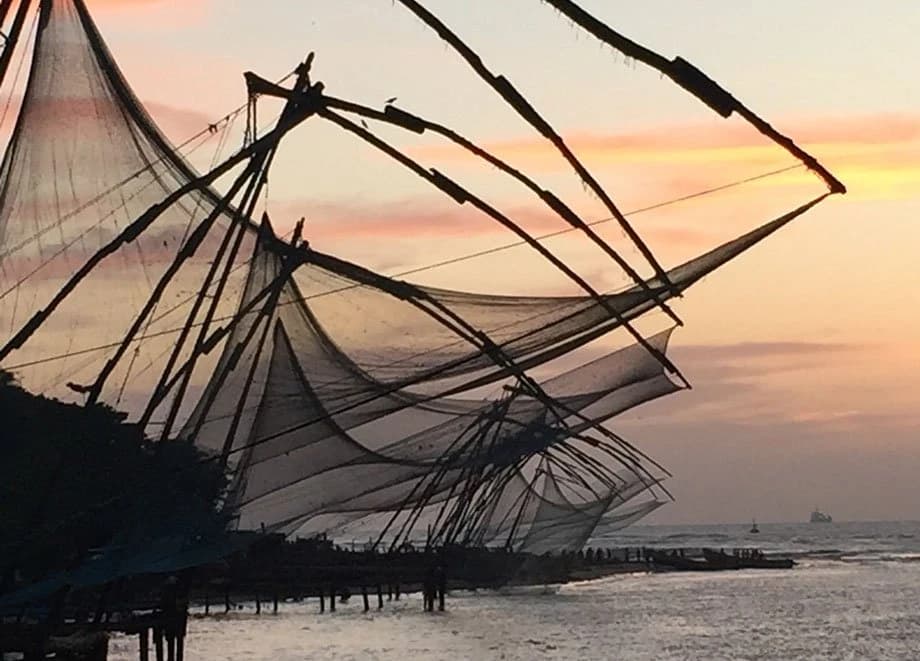
Kerala and the backwaters: October to March. Tamil Nadu and the far south: January to March.
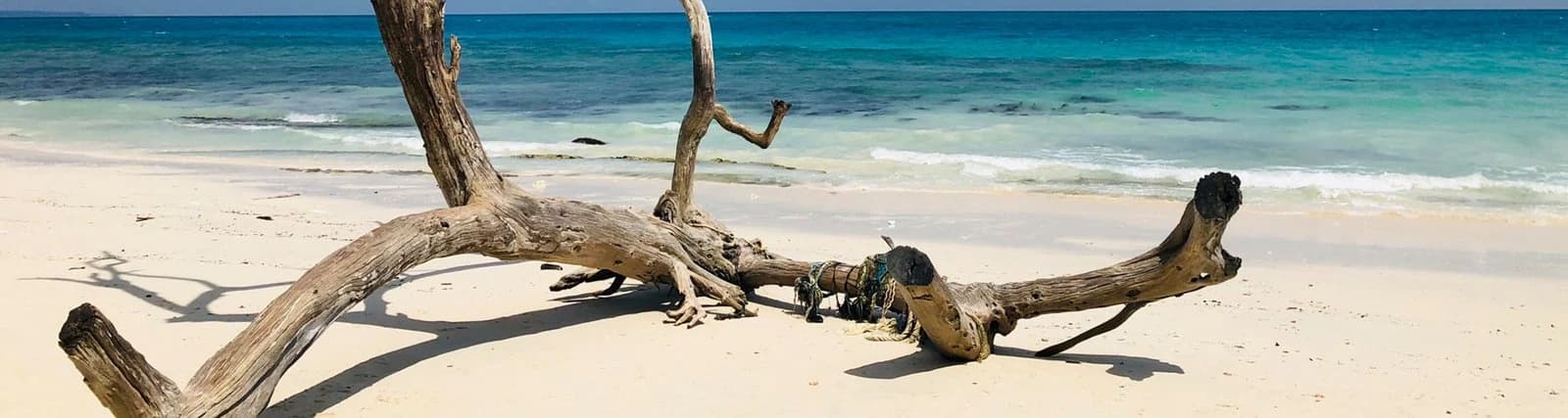
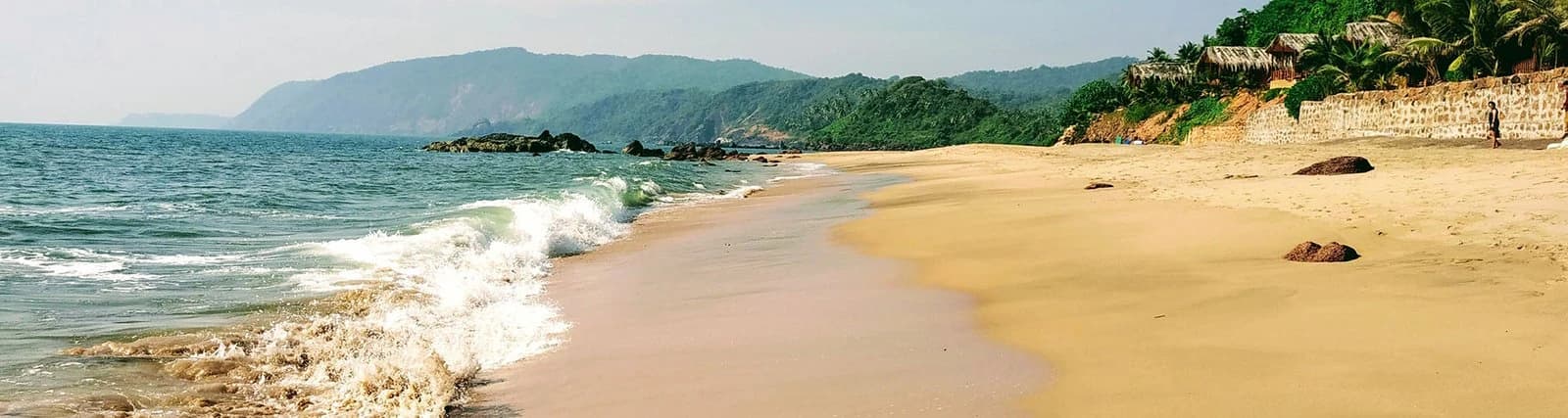
Darjeeling: October to early December, and March to May. Goa, Marari and the Andamans: November to March. A Maldives finish: December to April.
October and November: the season opens
October is the turn. Delhi drops to around 32°C by day, the air clears and the tiger parks reopen. Rajasthan becomes comfortable from about the second week.
November is the most reliable month for a first trip to the north. Delhi runs about 27°C by day and 12°C at night, skies are clear and winter fog has not started. The beaches open properly too.
One exception catches people out: the northeast monsoon brings the Tamil Nadu coast its wettest weeks in October and November.
December to February: cool, clear and busy
December is the busiest month for international travellers. The south and the beaches are excellent. In the north, dense morning fog often settles over the Delhi and Agra plain from about the third week of December and can delay flights and trains. Build slack around any internal flight.
January is dry and settled. Jaipur and Agra sit around 22°C by day, but dawn can be 6 to 8°C in Delhi and colder in the desert.
February is the steadiest month for a first trip. Rajasthan runs 26 to 28°C by day, roads are dry and every site is open.
March: Holi and the last easy weeks
Holi usually falls in March, and the date moves with the lunar calendar. Check for your year. Until mid-March Rajasthan stays comfortable. By the end of the month Jaipur touches 36°C.
In the south, March is the driest month of the year and a strong window for the temple route through Chennai, Madurai and Thanjavur.
April to June: heat, tigers and hill stations
April is when the plains stop being pleasant. Jaipur and Ranthambore reach 38 to 41°C, and May can reach 42 to 45°C in Rajasthan.
It is also when tiger sightings improve, because animals gather at the last waterholes. Game drives at Ranthambore and Sariska are shared, by jeep or open canter bus depending on what the park allocates, and sightings are never guaranteed.
The hills earn their name now. Darjeeling, at about 2,000 metres, runs about 15 to 20°C by day in May. Ooty in the south stays mild too. By the third week of June, monsoon cloud usually covers the Darjeeling ridges.
July to September: the monsoon
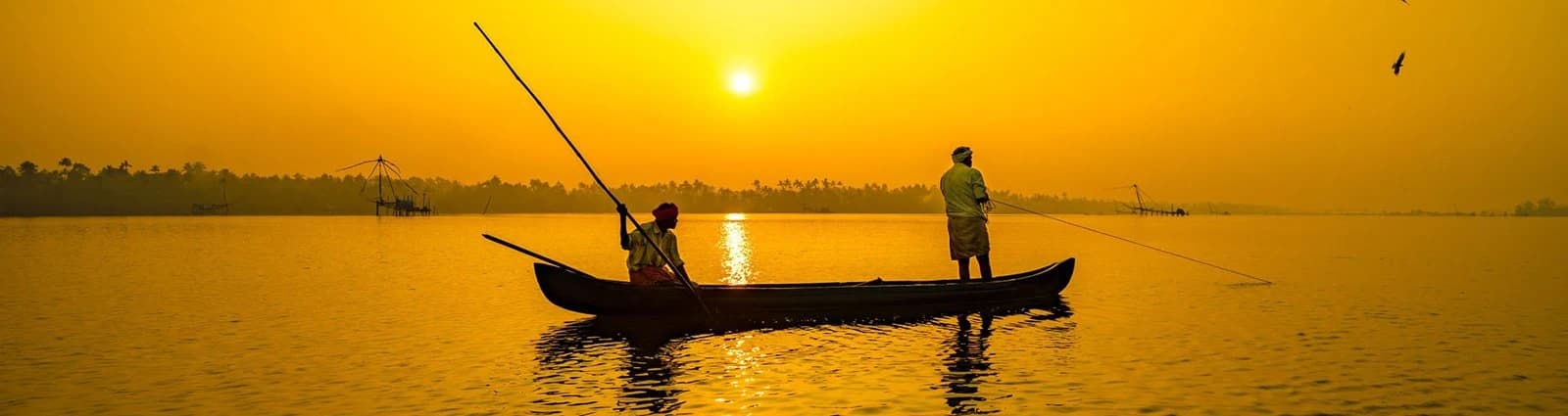
The southwest monsoon reaches Kerala in early June and covers most of India by July. Kerala sits at 26 to 30°C with heavy rain in bursts. The backwaters run full and the spice hills around Thekkady are at their greenest.
The core zones at Ranthambore and Sariska close from July to September, so a monsoon trip is a southern trip. By mid-September the rain in Kerala eases and prices are at their lowest.
Weekly closing days
Some sights close one day a week. The Taj Mahal is closed on Fridays, and the Akshardham Temple near Gandhinagar on Mondays. On a private tour we order the days around these.
Who each season suits
First-timers: November or February. Wildlife fans: April and May. Hill lovers: autumn or spring in Darjeeling. Budget travellers: the monsoon in Kerala. Beach lovers: November to March.
How our tours fit
We run 15 tours in India, three of them short beach add-ons. Golden Triangle & Colors of India is built around Holi in March, so it only works if your dates match the festival. Our Rajasthan routes, such as The magic of Rajasthan and Rajasthan, The Land of Kings, are best from October to March. Colourful Rajasthan & Himalayas pairs Rajasthan with Darjeeling, and November is its sweet spot.
South India Exotic World and The diversity of South India are best started in January or February. Short beach add-ons in Goa, Marari and the Andamans work from November to March. India's facets & Maldives is strongest from December to March.
Common questions
What is the best month to visit India?
November or February for a first trip to the north. Both are dry and comfortable, and February suits the south as well.
Which part of India can I visit in the monsoon?
Kerala is the best choice. It is wet but green and quiet, and the backwaters are full. The northern tiger parks close their core zones from July to September.
When is the best time for a tiger safari in India?
April and May give the best odds at Ranthambore and Sariska, because animals gather at waterholes. It is very hot, and sightings are never guaranteed.
Is December a good time to visit India?
Yes for the south and the beaches. In the north, expect cold mornings and fog from late December that can delay flights and trains.
Our journeys
Tailor-made trips in India
15 journeys built and led by our local guides — from gentle coastal weeks to high-mountain crossings.
Build your own trip →
India
5 days · Tailor-made
Travel component: Paradise Andaman & Nicobar Islands
from € 410,- / per person

Ready to plan your trip to India?
Tell us roughly when, who's travelling and what kind of pace you like. We'll send back a draft itinerary within 1–2 days, no payment until you're happy with the plan.
Send a request