
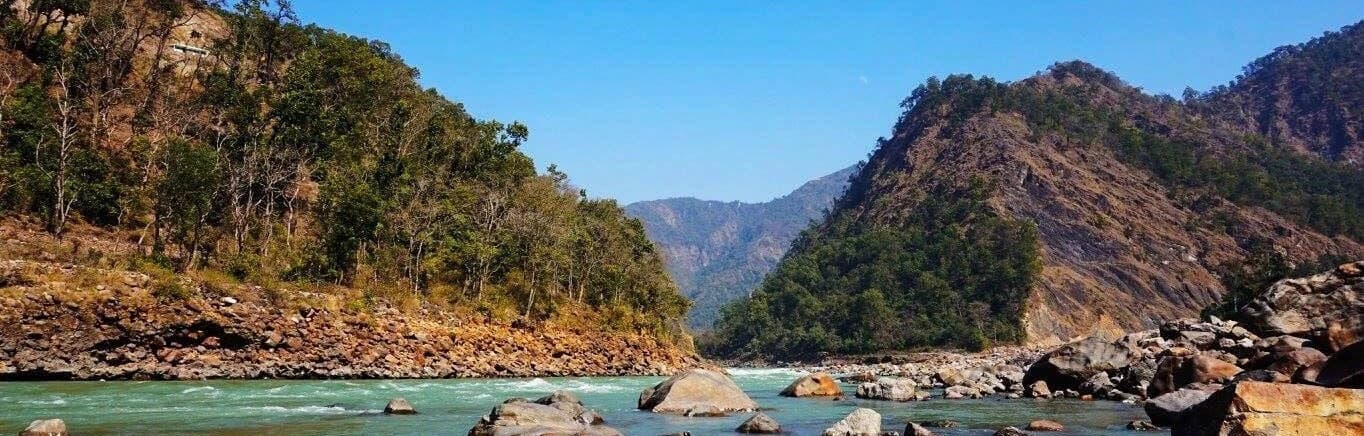
Rajasthan's desert north
Things to Do in Bikaner: Junagarh Fort, Havelis and the Rat Temple
The best thing to do in Bikaner is Junagarh Fort, a vast fort that grew palace by palace over generations. Add a ride through the old town, the red sandstone havelis and the Karni Mata temple at Deshnoke, and one full day is well spent. Two of our Rajasthan routes stop here for a night on the way to or from Jaisalmer.
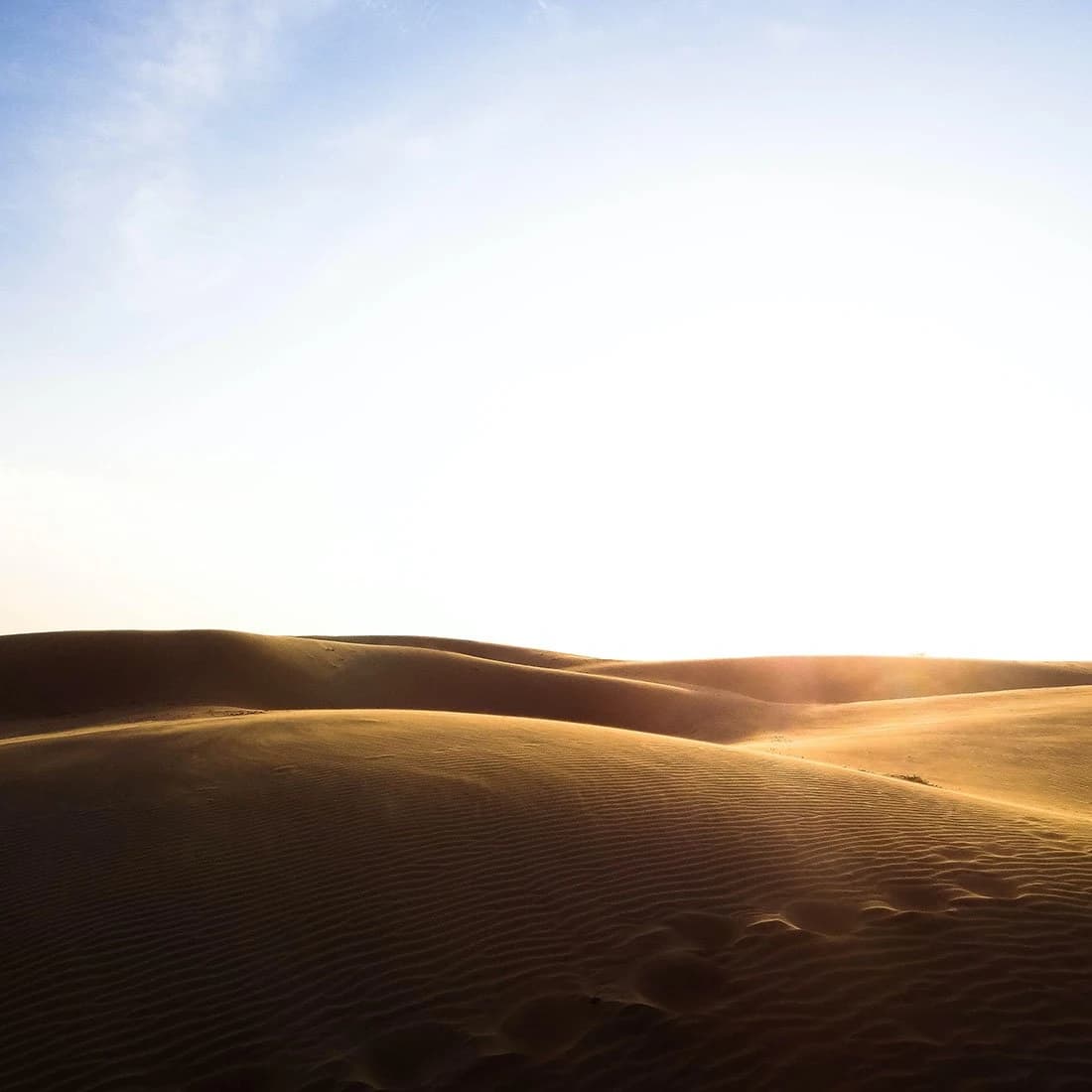
Junagarh Fort
Junagarh was built in the late 16th century by Raja Rai Singh. Later rulers kept adding palaces in the taste of their time, so you walk from carved stone courtyards into rooms covered in paint, mirrors and gold. It shows how rich the Bikaner dynasty once was.
Both Rajasthan, the Land of Kings and North India, Landscapes and Culture include a visit. Go in the morning, when the courtyards are cooler and the light is good for photos.
A tuk-tuk ride through the old town
Bikaner's old town is a maze of narrow lanes, small temples, sweet shops and workshops. A tuk-tuk is the easiest way to see it, because many lanes are too narrow for cars.
North India, Landscapes and Culture starts the day with a tuk-tuk ride through the waking old town to Junagarh. Early morning is the best time, as shops open and the lanes fill up.
The Rampuria havelis
Bikaner's merchants built their houses from deep red sandstone and covered the fronts in fine carving. The Rampuria havelis are the best-known group, standing close together in the old town.
Most are still private homes, so you view them from the street. They are not a named stop on our tours, but they sit along the old-town lanes, so ask your driver to pass them.
The Karni Mata temple at Deshnoke
About 30 kilometres south of Bikaner, this temple is home to thousands of rats, which are treated as sacred. Spotting one of the rare white rats is said to bring good luck. It is strange, a little unsettling and unlike anywhere else.
On Rajasthan, the Land of Kings this is an optional extra, not a set part of the day. You walk barefoot inside, so bring a pair of socks you can throw away.
The Bhandasar Jain temple
This 15th-century temple is covered inside with bright paintings and mirror work. A local story says ghee was mixed into the mortar, and on hot days the floor is said to feel slightly oily.
It is not on our itineraries. It is in the old town, so it fits easily into a free hour.
Lalgarh Palace
Maharaja Ganga Singh built this red sandstone palace in the early 20th century, outside the old walls. It mixes Rajput and European styles, with carved screens, wide lawns and grand halls. Part of it is now a hotel.
It is not a set visit on our tours. It makes a pleasant late-afternoon stop for a look around or a cup of tea.
The camel research farm
Just outside town, a government research centre breeds and studies camels. You can watch the herds come back in the late afternoon and try camel milk products at the small shop.
This is not included on our tours. Opening times are limited, so check before you go.
Bikaneri bhujia and sweets
Bikaner is famous across India for bhujia, a crisp, spiced snack made from gram flour. The old town is full of sweet shops frying it fresh, along with milk sweets and kachori.
Buy from a busy shop, where the stock turns over fast. Bhujia travels well, so it makes an easy gift to take home.
The Ramdevra temple on the road from Jaisalmer
Ramdevra is the shrine of Baba Ramdev, a folk saint honoured by both Hindus and Muslims. It is a busy, colourful place, full of pilgrims rather than tourists. Its big fair is usually in August or September, so check for your year.
North India, Landscapes and Culture stops here on the drive from Jaisalmer to Bikaner.
The painted havelis of Shekhawati
Bikaner links the desert with the Shekhawati region, where old merchant towns are full of houses covered in murals. The paintings show daily life, gods and stories from the past.
Rajasthan, the Land of Kings comes from Shekhawati via Fatehpur and then heads on to Jaisalmer. North India, Landscapes and Culture goes the other way, from Bikaner into Shekhawati.
The Bikaner Camel Festival
The camel festival brings decorated camels, races, music and a lot of local pride to town. It is usually held in January, so check the dates for your year.
No tour is built around it. If your dates overlap, it is a lively extra.
Common questions
How long should I spend in Bikaner?
One night and a full day are enough for Junagarh, the old town and the havelis. Add a few hours if you want Deshnoke or the camel farm.
Which of your tours include Bikaner?
Two. Rajasthan, the Land of Kings (14 days) and North India, Landscapes and Culture (21 days) both spend a night here and include Junagarh Fort.
Is the rat temple included?
Not as a set visit. On Rajasthan, the Land of Kings it is optional, and on our other route it is not planned. Tell us in your request if you want it.
When is the best time to visit Bikaner?
October to March, when days are warm and dry. December and January nights are cold in the desert, so pack a warm layer. April to June is very hot.
Our journeys
Tailor-made trips in Bikaner
2 journeys built and led by our local guides — from gentle coastal weeks to high-mountain crossings.
Build your own trip →
Plan your visit
Get ready for Bikaner
- Things to do in Bikaner
Ready to plan your trip to Bikaner?
Tell us roughly when, who's travelling and what kind of pace you like. We'll send back a draft itinerary within 1–2 days, no payment until you're happy with the plan.
Send a request