


Nepal – Culture and Hiking in the Himalayas
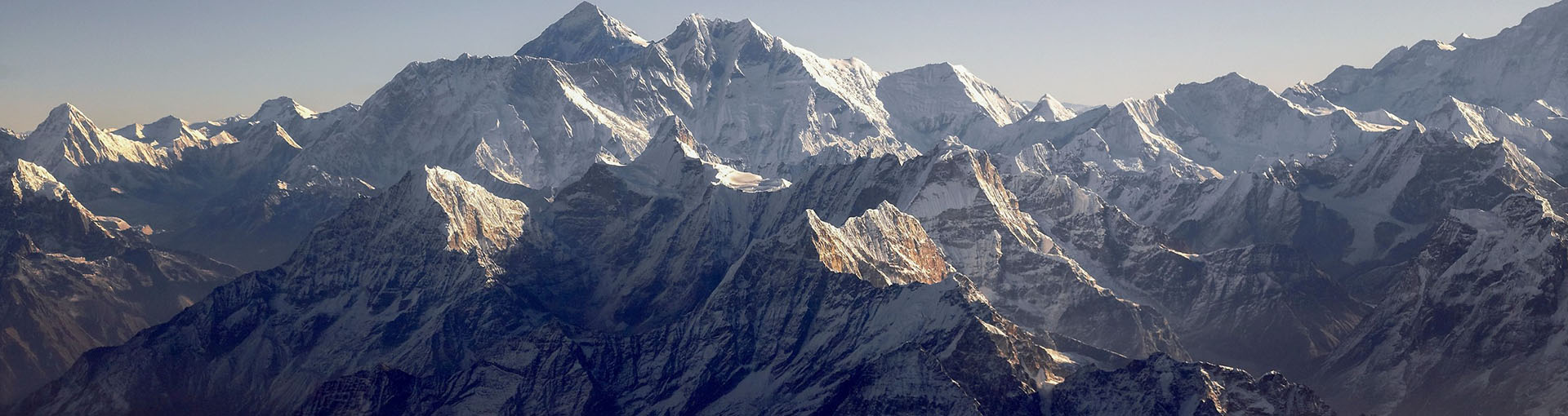
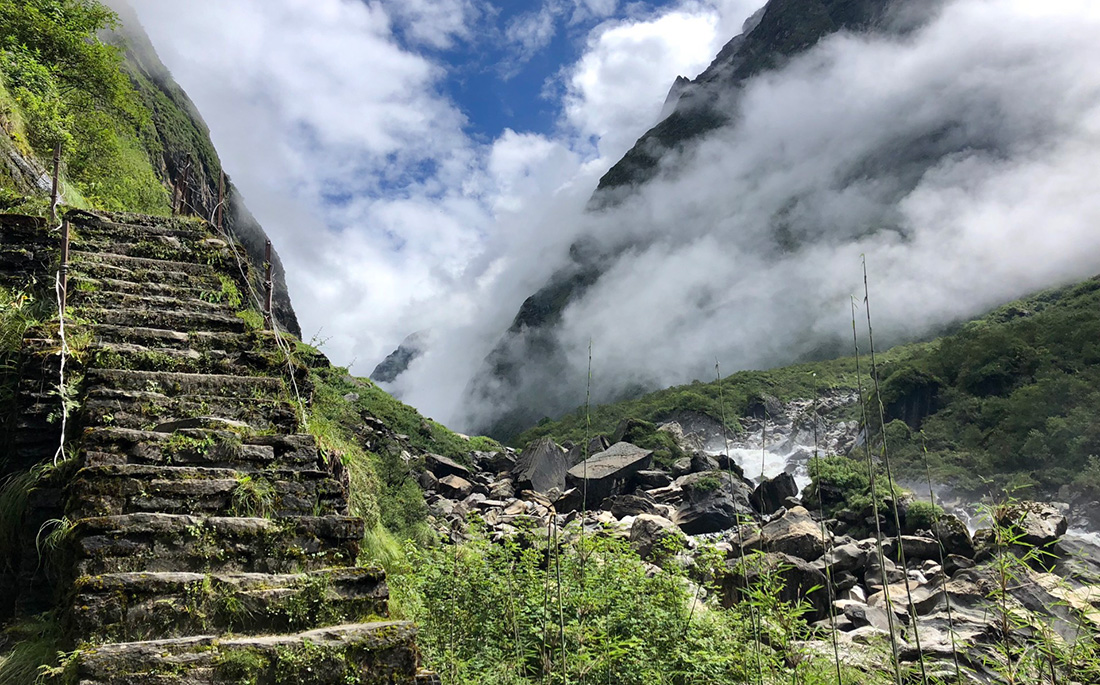
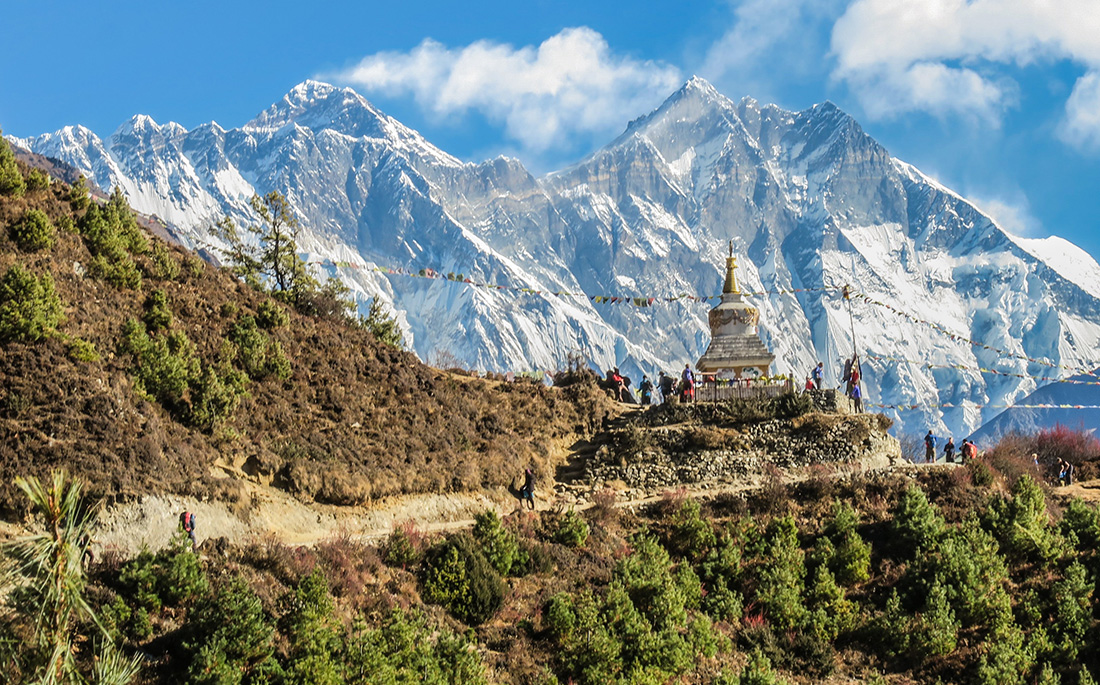
Majestic and awe-inspiring, the snow-covered peaks of the Himalayas rise to form the roof of the world. So close to the sky, a unique religiosity has been preserved, with a history that reaches far into the past. Buddhist wisdom and the Hindu pantheon continue to shape the colorful traditions, culture, and craftsmanship, while the wonderful natural landscapes unfold their own form of spirituality. As you trek past roaring waterfalls, through seemingly endless forests, and picturesque villages, you gain insight into a simple and authentic way of life. Look forward to powerful impressions, cultural highlights, and encounters with hospitable people.
-
Destination
-
Dress Code
März - September (ausgenommen Regenzeit Juli - August) -
Included
1 Flasche Wasser bei Ankunft24-Stunden Erreichbarkeit während der gesamten Reisedeutschsprechender GuideFrühstückHotelübernachtung
Tag 1: Arrival and transfer to Kathmandu
Tag 2: The Kathmandu Valley
Durbar Square in Kathmandu is the center of Nepal’s traditional culture and art, featuring numerous historic temples, palaces, and sculptures. Here you will find the Hanuman Dhoka Palace, the Taleju Temple, as well as the impressive Jagannath Temple and the statue of Kala Bhairava. The Kastamandap Temple is said to have been built from the wood of a single tree. Also famous is the temple of the Living Goddess of Kathmandu at the Kumari Ghar, as well as the Shiva-Parvati Temple. Swayambhunath, believed to be 2,000 years old, is the oldest Buddhist stupa and offers a magnificent panoramic view of the Kathmandu Valley.
A trip to Patan, also known as Lalitpur, takes you to the oldest of the three cities in the Kathmandu Valley, with numerous Hindu temples and Buddhist monuments such as the Krishna Temple, the “Golden Temple” Hiranya Varna Mahavihar, and the Khumbeswar Temple. Every brick of the Mahabouda Temple is engraved with an image of Buddha, giving it the nickname “Temple of 1,000 Buddhas.”
Tag 3: Religious Insights
Tibetan monks in rust-colored robes walk along streets adorned with colorful flags, while pilgrims turn prayer wheels and stock up on yak butter and barley flour — every day, thousands of pilgrims come to the Boudhanath Stupa to perform religious rituals under the watchful eyes of the Buddha and to explore the vibrant selection of ceremonial items at the surrounding markets.
The Pashupatinath Temple, dedicated to the god Shiva, may only be entered by Hindus, but from the eastern side of the river, numerous devotees can be observed performing centuries-old rituals in the cycle of life, death, and rebirth.
Bhaktapur, as one of the three royal cities of the Kathmandu Valley, feels like a museum of medieval art and architecture. Durbar Square, with its conglomeration of pagodas and temples surrounding the Fifty-Five Window Palace, is one of the architectural highlights of the valley.
Tag 4: Village Life in Chitwan National Park
Tag 5: Nature Experiences in Chitwan National Park
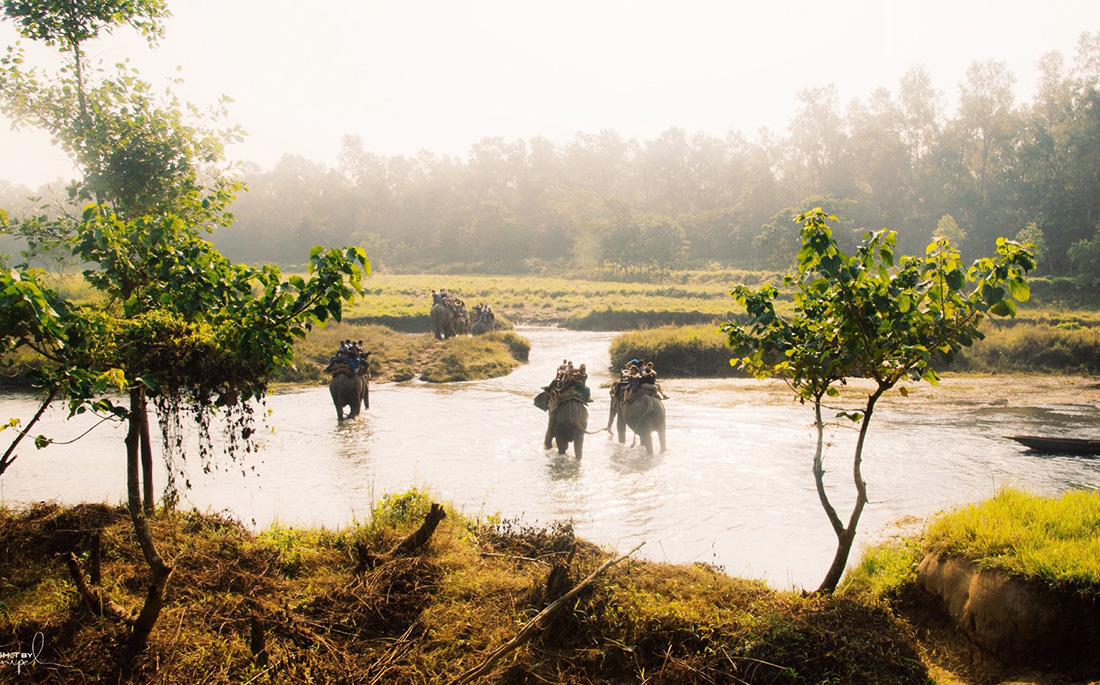
Early in the morning, you set out for birdwatching or a nature hike. You return to the hotel or resort for breakfast. Afterwards, you spend the day enjoying further jungle activities, such as a jeep safari through the breathtaking jungle landscape or a canoe ride in good weather conditions (organized by the hotel depending on weather and local possibilities).
Please note that no jeep safaris take place in Chitwan National Park during the rainy season in July, August, and September.
Tag 6: The Gateway to Mountain Adventure
Tag 7: The First Stage
Tag 8: The Second Stage
Tag 9: The Third Stage
Tag 10: The Fourth Stage
Tag 11: The Fifth Stage
Tag 12: The Enchanting Mountain World of Pokhara
Tag 13: Back to Kathmandu
Tag 14: Farewell to Nepal
Eindrücke der Reise