1
Tag 1: Arrival and Arrival in Delhi
You begin your India adventure today and fly individually to Delhi, where early the next morning it will be time to say: Namaste and a warm welcome to India!
After you land, you will be met by a staff member at the airport and taken to your hotel, where you can first relax and unwind from your journey.
2
Tag 2: Where old and new blend together
The capital metropolis of Delhi is a melting pot of diverse Indian cultures, creating a fascinating blend of age-old traditions and modern life. The Red Fort reflects an aura of worldly power and strength even from the outside, while the Jama Masjid — India’s largest mosque, accommodating up to 20,000 worshippers — bears witness to divine power. The lively hustle and bustle in the lanes of the old city immerses you in the overwhelming array of traditional handicrafts, modern everyday items, colorful clothing, and the rich aromas of spices, tea, and street food for every appetite. Your journey continues to India Gate, built in memory of the soldiers who fell in World War I, and through the government quarter. You are then welcomed by the Sikh faith at its largest temple in Delhi, the Bangla Sahib Gurudwara. A final stroll through Lodhi Garden allows you to explore the enchanting green landscape along with some of Delhi’s oldest tombs.
3
Tag 3: Majestic Taj Mahal
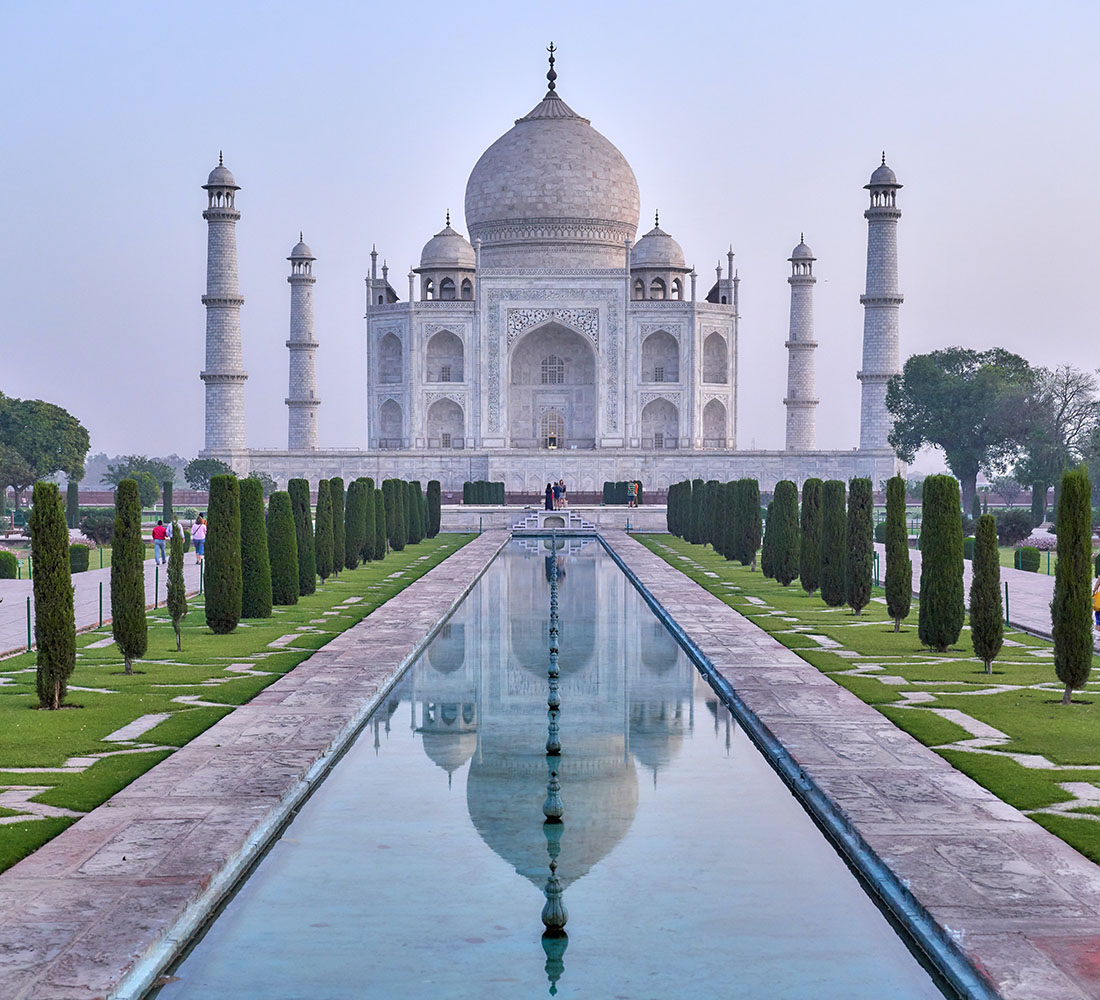
Numerous architectural treasures still bear witness to Agra’s former glory and power. Radiantly beautiful, the legendary Taj Mahal (closed on Fridays) rises above the sacred Yamuna River and is considered, more than almost any other monument, a true symbol of India. It is said that at every time of day and in any weather, it reveals its own charm as the white marble and countless semi-precious stones captivate you in different lights. The imposing Agra Fort, also known as the Red Fort of Agra, is—like its namesake in Delhi—a demonstration of the might and strength of the former rulers. A cooking demonstration with a local family introduces you in the afternoon to the diverse world of Indian spices and offers a wonderful opportunity to engage in conversation with your hosts over a shared dinner.
4
Tag 4: Abandoned Palaces and Symmetrical Perfection
Fatehpur Sikri was built by Emperor Akbar as a new capital and a tolerant center of various religions and cultures; however, water scarcity and planning flaws soon became reasons to abandon the site. In contrast, the interplay of light and shadow at the Chand Baori in Abhaneri, with its hundreds of steps descending more than 20 meters to the water reservoir, has an almost meditative effect. An astonishing architectural masterpiece and a fascinating photographic subject! Rajasthan’s capital Jaipur is characterized by a blend of history and modernity, where countless cars, tuk-tuks, and motorcycles share the streets and squares with bicycle rickshaws, camel carts, and elephants, weaving through the historical buildings, colorful market stalls, and shops. In the Raj Mandir palace cinema, you can experience the vibrant world of Bollywood with a current film screening – a truly special experience!
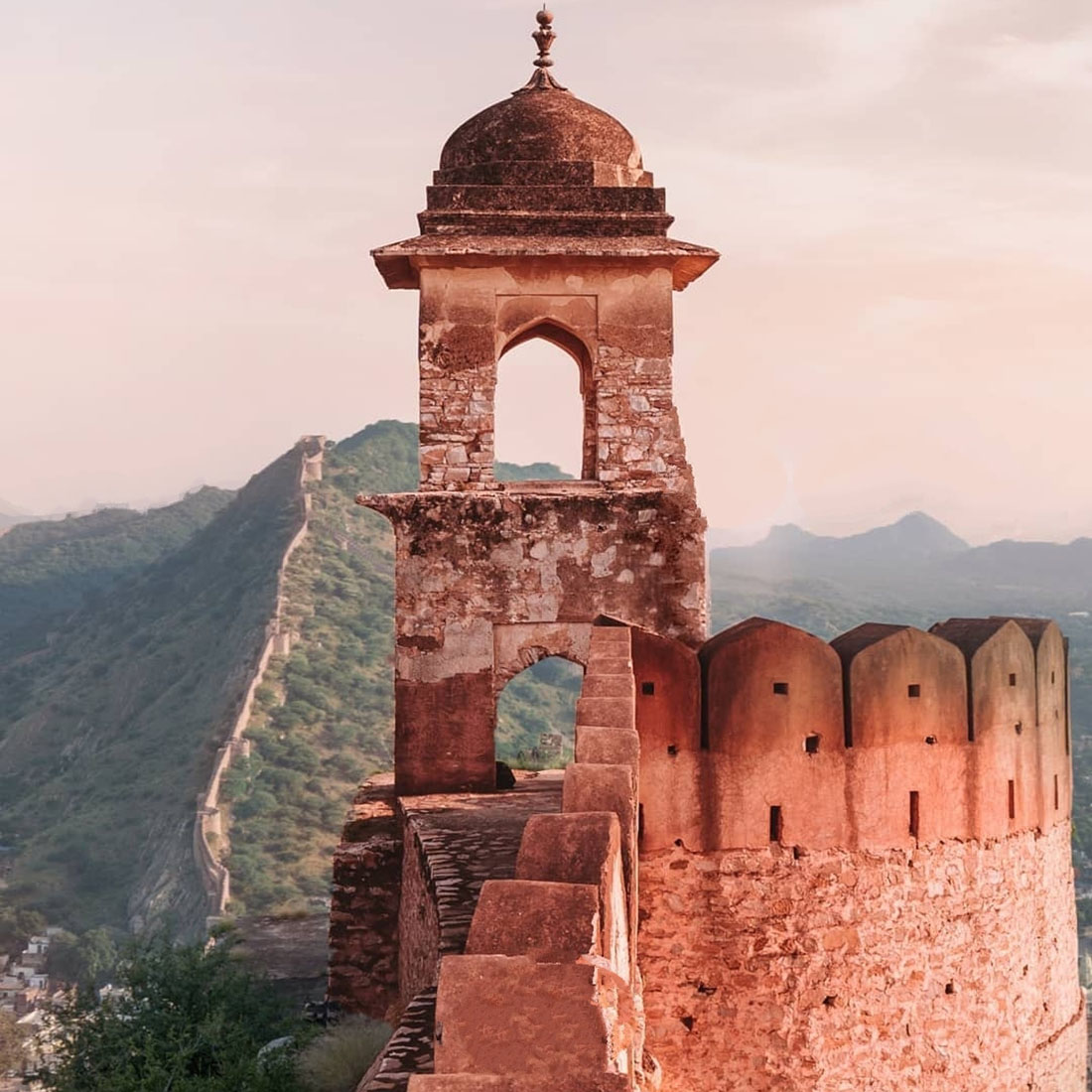
Royal splendor is offered by the golden-yellow Amber Fort with its magnificent palaces and halls, from whose elevated hilltop location just outside Jaipur one can overlook the surrounding hills and the Maotha Lake below. The Jantar Mantar, as the largest stone observatory on Earth, bears witness to scientific knowledge that remains valid to this day, while the magnificent City Palace in the heart of the Pink City is still partially inhabited by descendants of the former Maharaja. The famous Hawa Mahal, or Palace of the Winds, with its countless windows and balconies, is one of India’s most iconic photo motifs and served as a special viewing platform for the women of the royal court to observe parades and processions on the street below unseen. A rickshaw ride through the bustling streets and bazaars of the city should not be missed to conclude the day.
6
Tag 6: The Blue City of Jodhpur
Blue is the traditional color of the Brahmin caste, but it is also said to be an effective means of repelling mosquitoes – in Jodhpur, it can be found on almost every house. The mighty Mehrangarh Fort, perched on a 130-meter-high hill, offers a breathtaking view of the blue city sprawling below. Imposing gates and the strategically designed winding path once made it difficult for attackers to conquer the fortress. In contrast, the delicately designed Jaswant Thada mausoleum, made of white marble, forms a striking photographic motif against the backdrop of the fort.
7
Tag 7: The green hills of the Aravalli Mountains
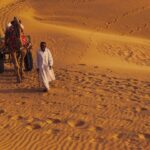
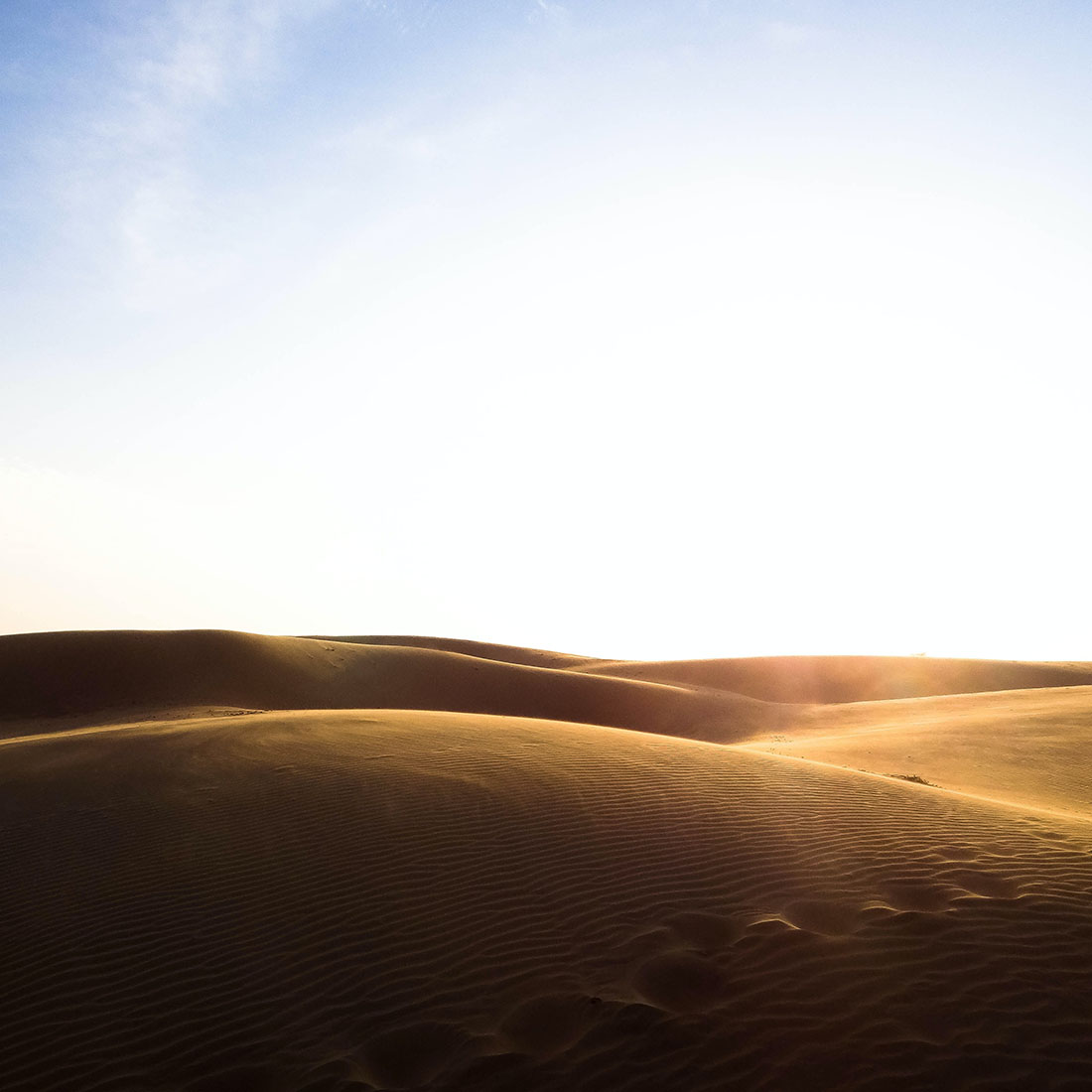
Out of the Thar Desert and into the green hills of the Aravalli Mountains – in Rajasthan, the landscape changes are often seamless. In Ranakpur, the magnificent Adinath Temple of the Jain religion rises like a white jewel amidst green hills, supported by 1,444 marble pillars richly adorned with intricate stone carvings, each one unique. In Udaipur, also called the “Venice of India,” you are greeted by an imposing fortress, bustling streets, and traditionally dressed people – the fairytale essence of Rajasthan, surrounded by green hills and artificial lakes.
8
Tag 8: The “Venice of India” – Udaipur
The narrow lanes and bazaars of Udaipur invite you to stroll through the old town. The Jagdish Temple, dedicated to the god Vishnu, is the largest temple in the city, while the adjacent City Palace, nestled against the hilly banks of Lake Pichola, is considered the largest palace complex in Rajasthan. In the “Garden of the Maidens” Saheliyon Ki Bari, you can relax amid fountains and water features, escaping the bustle of the city. A breathtaking backdrop of palaces, historic buildings, green hills, along with people washing or bathing at the ghats and the palaces Jag Mandir and Jag Niwas built on artificial islands in the middle of Lake Pichola, captivates visitors at the end of the day during a scenic boat ride (depending on the water level).
9
Tag 9: The caves on Elephanta Island
Contrasting, chaotic, vibrant, city of contrasts – there are many ways to describe India’s largest city, depending on your perspective. In Mumbai, ancient history, colonial heritage, and modern life converge – and amidst the traffic chaos, there are always pockets of green. The caves on Elephanta Island off the city’s coast can only be reached by ferry and provide insight into the city’s early history. Back on the mainland, a stroll through the lively market in the Colaba district along beautiful historic buildings offers a pleasant way to end the day.
10
Tag 10: Metropolis on the Arabian Sea
The Gateway of India was once a ceremonial landing point for travelers to India and is today Mumbai’s most famous landmark. The Malabar Hills offer an exclusive residential area and, with the Hanging Gardens, present a horticultural masterpiece. In stark contrast, the open-air laundry at Mahalaxmi Dhobi Ghat shows clothes still being washed by hand in vats by the so-called Dhobis (launderers). Colonial architecture can be admired at the courthouse, Mumbai University, the Flower Fountain, the library, the Prince of Wales Museum, Victoria Terminus railway station, and the Municipal Corporation Building. Gandhi’s former residence, Mani Bhavan, offers numerous exhibits that provide insight into the life and ideas of the highly revered freedom fighter.
11
Tag 11: Off to Paradise
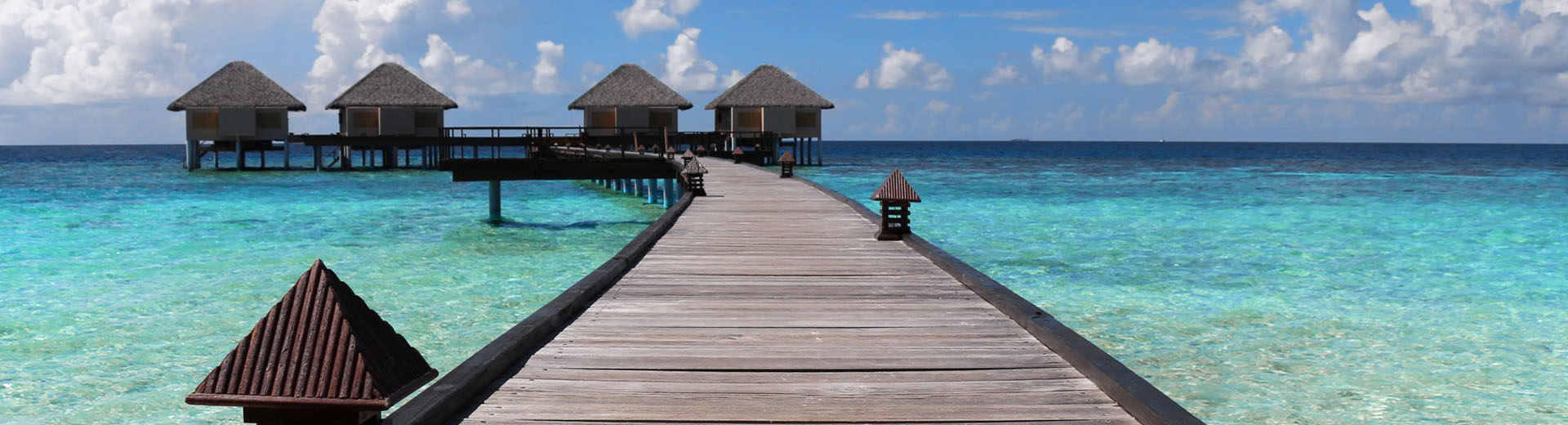
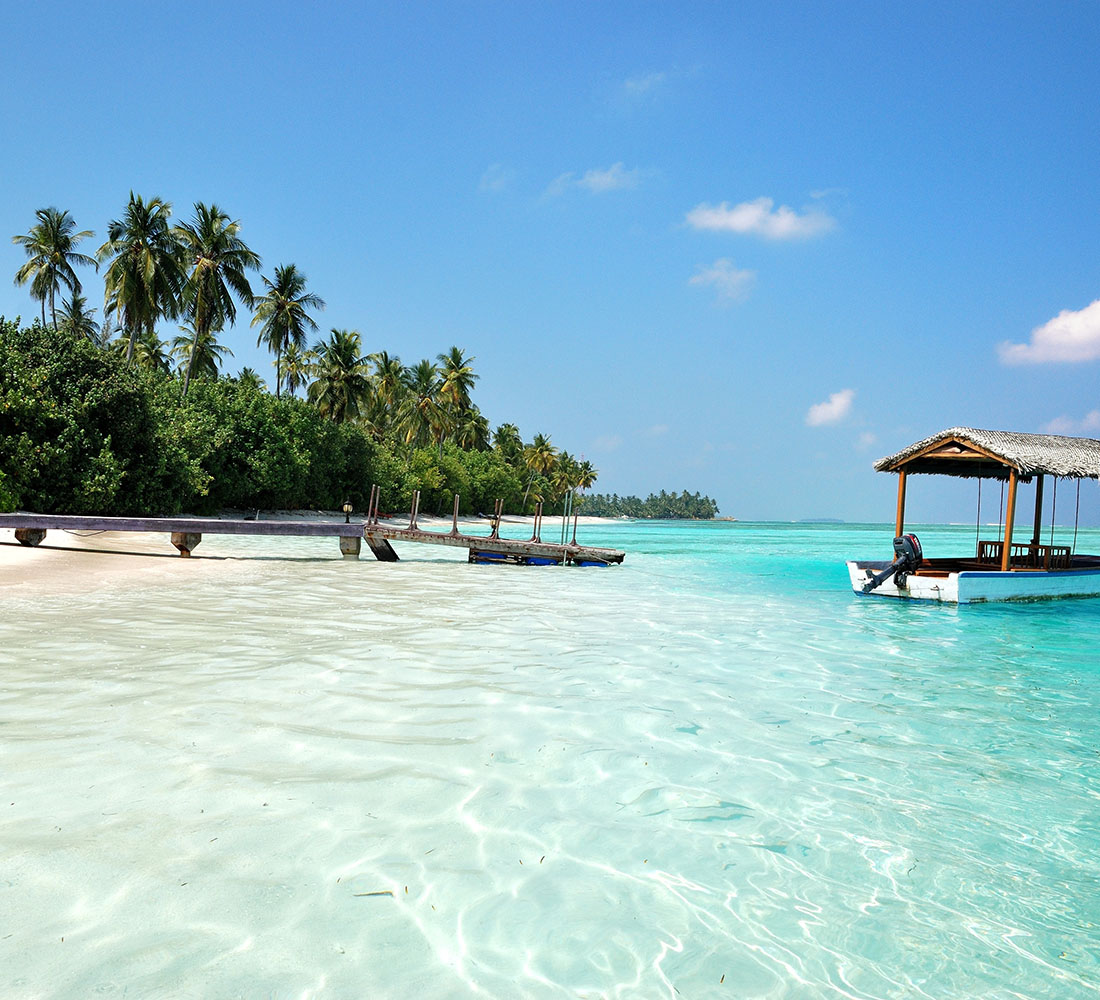
The Maldives are considered the epitome of paradise: palm-fringed white sandy beaches, turquoise waters, tropical temperatures, and an breathtaking underwater world provide a unique setting to unwind away from the hustle and bustle of everyday life. You will take a speedboat from Male Airport to your hotel island.
12
Tag 12-14: Relaxation in the Maldives
Enjoy your beach stay with sun, sand, and sea, and plan your time entirely according to your own wishes. If you prefer a more active experience, you can choose from a variety of land and water activities offered by your hotel (some at an additional cost), or simply find a lovely spot in the sun for complete relaxation.
13
Tag 15: AFarewell to Paradise
Today, depending on your departure time, you will be picked up from your hotel by speedboat or seaplane and taken to Male Airport, from where you will begin your return flight home with a wealth of new impressions. We wish you a pleasant journey and hope to welcome you back to India soon.